
Tanzania's Temeke DC Calls for Joint Action Against Counterfeit Goods
Abstract
The District Commissioner of Temeke, Sixtus Mapunda, has issued a compelling call for a multi-stakeholder approach to combat the pervasive issue of counterfeit goods in Tanzania. Emphasizing the severe repercussions on public health, the national economy, and legitimate businesses, Mapunda highlighted the necessity for concerted efforts from citizens, government agencies, and the private sector. This appeal underscores the ongoing challenges faced by regulatory bodies in enforcing existing anti-counterfeiting laws and the critical need for enhanced collaboration to protect consumers and foster a fair market environment. The article delves into Tanzania's legal framework against counterfeiting, the roles of key enforcement agencies, and the practical implications of such a unified strategy for legal practitioners and businesses.
Introduction
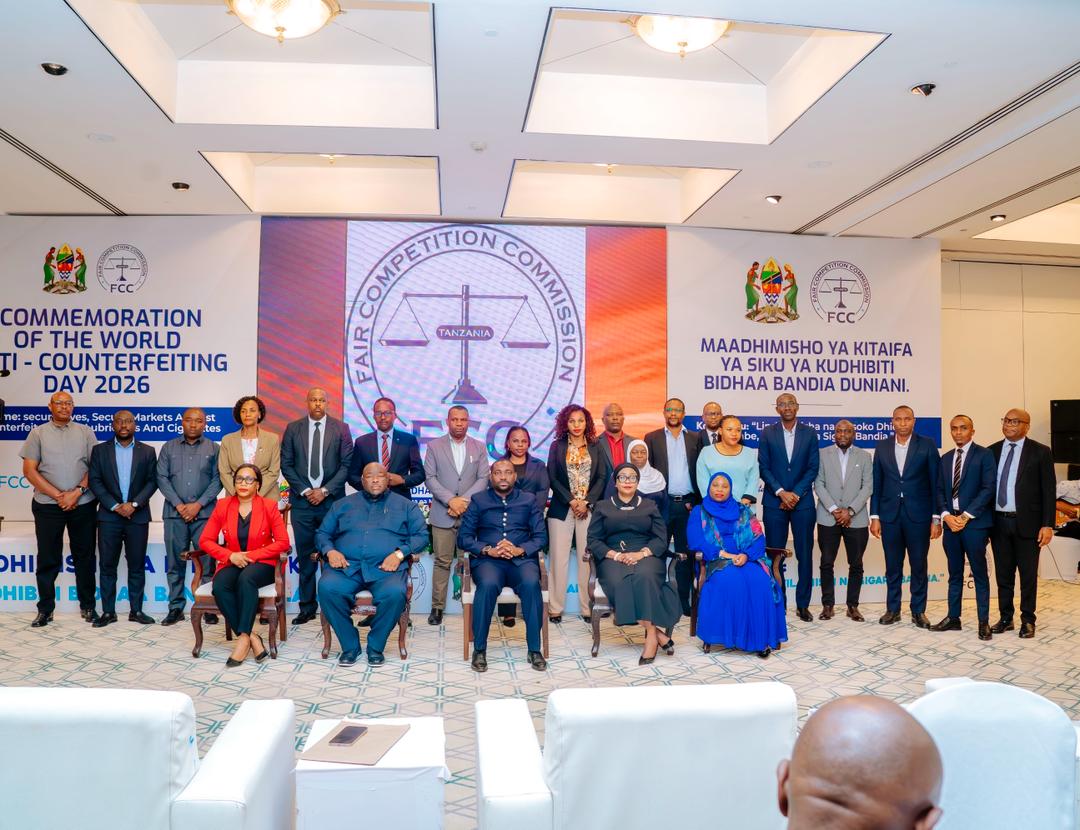
The proliferation of counterfeit goods poses a significant and multifaceted threat to economies and public welfare worldwide, and Tanzania is no exception. In a recent address, the District Commissioner of Temeke, Sixtus Mapunda, underscored the urgency of this issue, calling for a unified front involving citizens, government, and the private sector to effectively combat the trade in illicit products. This pronouncement, made during the 2026 World Anti-Counterfeiting Day celebrations, highlights the profound impacts of counterfeiting, ranging from direct health risks associated with fake alcohol, cigarettes, and lubricants to substantial economic losses for the government and legitimate enterprises.
Mapunda's call serves as a critical reminder that while Tanzania possesses a robust legal and institutional framework to address counterfeiting, effective enforcement necessitates broad-based cooperation. The challenge is not merely legislative but operational, requiring coordinated action to deter counterfeiters, protect intellectual property rights, and safeguard consumer interests. This article will explore the existing legal landscape in Tanzania pertaining to counterfeit goods, examine the roles of key regulatory bodies, analyze the gaps and challenges in enforcement, and discuss the implications of a collaborative strategy for legal professionals and businesses operating within the jurisdiction.
Background
Tanzania's commitment to combating counterfeit goods is enshrined in a comprehensive legal framework designed to protect intellectual property rights, ensure product quality, and promote fair competition. Key statutes include the Merchandise Marks Act (Cap 85, R.E. 2023), which specifically targets the unlawful use of marks and trade descriptions and prohibits the sale or possession of counterfeit goods. This Act provides criminal sanctions for trademark infringement and empowers authorities to seize and dispose of illicit products.
Complementing this, the Fair Competition Act, 2003 (FCA), aims to promote fair business practices and protect consumers from unfair and misleading market conduct, including the misrepresentation of goods. The Standards Act, 2009, establishes the Tanzania Bureau of Standards (TBS) as the national body responsible for formulating and enforcing quality standards, making it illegal to import, sell, or distribute goods that do not meet official specifications. Furthermore, the Tanzania Food, Drugs and Cosmetics Act, 2003, regulates the safety and quality of food, drugs, and cosmetics, explicitly addressing counterfeit products within these critical sectors. The Trade and Service Marks Act, 1986, and the Copyright and Neighbouring Rights Act, 1999, provide the foundational protection for intellectual property, which is often the target of counterfeiters.
Several government agencies are mandated to enforce these laws. The Fair Competition Commission (FCC) is a primary enforcer of the Merchandise Marks Act and the Fair Competition Act, actively investigating and confiscating counterfeit goods. The Tanzania Bureau of Standards (TBS) ensures product quality and safety through standard-setting, certification, testing, and inspection. The Tanzania Medicines and Medical Devices Authority (TMDA) specifically regulates medicines and medical devices, combating the circulation of fake pharmaceuticals. The Business Registration and Licensing Agency (BRELA) administers the registration of trademarks and patents, while the Tanzania Revenue Authority (TRA) plays a crucial role in border control and revenue collection, impacted heavily by illicit trade.
Analysis
Despite the comprehensive legal framework, the fight against counterfeit goods in Tanzania is fraught with challenges, necessitating the joint action advocated by the Temeke DC. A significant issue is the sheer scale of the problem; studies indicate that over 50 percent of goods consumed in Tanzania, including medicines, food, and construction materials, may be counterfeit, leading to annual tax losses estimated between 15 and 25 percent of domestic income. The economic impact is profound, undermining local production, reducing investment, and damaging legitimate brand reputations.
Enforcement efforts, while robust, face limitations. The FCC has intensified its anti-counterfeit efforts by establishing new zonal offices and collaborating with various business associations and customs experts to educate the public. Recent legislative amendments, such as the Merchandise Marks (Recordation) Regulations, 2025, introduced through the Finance Act of 2025, mandate that all trademarks associated with goods imported into mainland Tanzania be officially recorded with the Chief Inspector of Merchandise Marks at the FCC, effective December 1, 2025. This aims to strengthen border enforcement by enabling authorities to identify and prevent counterfeit goods from entering the market. Furthermore, the Tanzania National Online Goods Authentication System (TANOGA) has been integrated into customs clearance processes, allowing for early detection and interception of illicit goods at ports of entry.
However, challenges persist, including fragmented oversight where multiple overlapping laws can complicate enforcement. There is also a recognized need for greater public awareness, as many consumers remain unaware of their rights or the dangers posed by counterfeit products. The criminal penalties for counterfeiting are substantial, with first-time offenders facing imprisonment of up to five years or fines up to TZS 10 million (or three times the retail value of the goods), and repeat offenders facing up to fifteen years imprisonment or fines of TZS 50 million (or five times the retail value). Despite these deterrents, the illicit trade continues, driven by factors such as globalization of organized crime, trade liberalization, and the advancement of information and communication technologies.
The call for joint action by the Temeke DC is a recognition that government agencies alone cannot tackle this complex issue. It emphasizes the need for citizens to report suspicious activities and for the private sector to actively protect their intellectual property and cooperate with enforcement bodies. Regional cooperation, particularly within the East African Community (EAC), is also crucial given the cross-border nature of the counterfeit trade. The FCC's new five-year Strategic Plan (2026/2027 to 2030/2031) elevates anti-counterfeiting activities as a standalone strategic objective, focusing on enhancing detection capacity, strengthening cooperation with trademark owners, and intensifying public awareness initiatives.
Conclusion
The Temeke District Commissioner's call for joint action against counterfeit goods is a timely and critical reminder of the collective responsibility required to safeguard public health, economic stability, and legitimate commerce in Tanzania. While the country boasts a robust legislative and institutional framework, the sheer volume and evolving nature of counterfeit trade demand a unified, multi-stakeholder response that transcends traditional enforcement mechanisms. Recent advancements, such as mandatory trademark recordation for imports and the TANOGA system, demonstrate a proactive governmental stance, yet their full impact hinges on active participation from all sectors.
For legal practitioners, this emphasizes the increasing importance of advising clients not only on intellectual property registration and enforcement but also on proactive compliance with new regulations like the Merchandise Marks (Recordation) Regulations, 2025. Businesses must prioritize due diligence in their supply chains, invest in brand protection strategies, and foster internal awareness among employees regarding the risks and reporting mechanisms for counterfeit products. Practitioners should also be prepared to assist clients in navigating the complexities of multi-agency enforcement actions and advocating for stronger consumer protection measures. The ongoing fight against counterfeits in Tanzania will undoubtedly be shaped by the effectiveness of these collaborative efforts, making vigilance and cooperation paramount for all stakeholders.
Citations
- 1.Merchandise Marks Act (Cap 85, R.E. 2023)
- 2.Fair Competition Act, 2003
- 3.Standards Act, 2009
- 4.Tanzania Food, Drugs and Cosmetics Act, 2003
- 5.Trade and Service Marks Act, 1986
- 6.Copyright and Neighbouring Rights Act, 1999
- 7.Patents Act, 1986
- 8.Merchandise Marks (Recordation) Regulations, 2025 (introduced through the Finance Act, 2025)
- 9.Daily News Tanzania, "Temeke DC calls for joint action against counterfeit goods" (June 26, 2026)
- 10.International Trade Administration, "Tanzania - Protecting Intellectual Property" (December 14, 2022)
- 11.Breakthrough Attorneys, "A Quick Look Into Intellectual Property Law in Tanzania" (April 28, 2016)
- 12.Policy Commons, "Tanzania Food, Drugs and Cosmetics Act, 2003: Summary and Key Provisions"
- 13.Scribd, "Tanzania Merchandise Marks Act Overview"
- 14.Saba IP, "Counterfeit Hotspots In Tanzania That Brand Owners Must Be Aware Of" (April 28, 2026)
- 15.Managing IP, "Mandatory trademark recordation fortifies brand protection in Tanzania" (October 29, 2025)
- 16.The Chanzo, "Counterfeit Goods in Tanzania: A Crisis Eating Away at the Economy, Public Health" (May 10, 2025)
- 17.MWEBESA LAW GROUP, "Sanctions and Penalties under The Anti-Counterfeit Laws" (April 28, 2024)
- 18.MSU College of Agriculture and Natural Resources, "Policy Brief: The Tanzania Food, Drugs, and Cosmetics Act of 2003: Enhancing Food Safety and Addressing Gaps" (December 09, 2024)
- 19.SGS Digicomply, "Tanzania Bureau of Standards (TBS)" (October 29, 2024)
- 20.Clyde & Co, "Notable Amendments to the Fair Competition Act of 2003" (November 25, 2024)
- 21.Emerald Publishing, "Chapter 8: Tackling the Counterfeit Goods Trade in Tanzania: Reflections on the Anti-Counterfeiting Criminal Law"
- 22.AIPPI, "Mandatory Trademark Recordation for Imported Goods Effective" (December 01, 2025)
- 23.Daily News, "Tanzania marks the Anti-Counterfeiting Day with call for more efforts in protecting consumers and economy" (June 26, 2026)
- 24.Daily News, "Counterfeit crisis: Tanzania cracks down on fake goods amid mounting public risks" (June 27, 2025)
- 25.Business Insider, "TANOGA tightens the net as FCC steps up war on counterfeit goods" (February 24, 2026)
- 26.Tanzania Bureau of Standards (TBS) website, "Acts and Regulations"
- 27.UDSM Journals, "PROTECTING CONSUMERS' RIGHTS AGAINST COUNTERFEIT ELECTRONIC PRODUCTS IN TANZANIA"
- 28.Fair Competition Commission (FCC) website, "Tanzania steps up war on counterfeit goods."
- 29.Uchumi360, "Fair Competition Commission (FCC) Tanzania: Guardian of Fair Markets, But Challenges Remain" (September 07, 2025)
- 30.The Economic and Social Research Foundation, "Importation of counterfeit products: What should be done?"
- 31.UNODC, "Tanzania Food, Drugs and Cosmetics Act 2003"
- 32.Tanzania Bureau of Standards (TBS) website, "TBS intensifies fight against counterfeit products" (August 06, 2022)
- 33.Daily News, "TBS ramps up product safety measures with modern labs" (September 19, 2025)
- 34.The Chanzo, "Authorities in Tanzania Ramp Up Fight Against Illicit Trade" (January 28, 2026)
How does this affect your business?
Get an AI analysis of this article grounded in your jurisdictions, practice areas, and any policy documents you've uploaded to Wansom.