
Tanzania seizes gold worth 1.345bn/- in its efforts to curb mineral trafficking
Abstract
Tanzanian authorities recently intercepted a significant gold consignment valued at TZS 1.345 billion, illegally destined for export. This seizure, conducted by a joint operation involving the Tanzania Police Force, Mining Commission, and other security organs, underscores the government's intensified efforts to combat mineral trafficking. The incident highlights Tanzania's robust legal framework, primarily the Mining Act, Cap 123 R.E. 2019, and its subsidiary regulations, designed to ensure state control over mineral resources, promote legal trading, and safeguard national revenues. The crackdown serves as a stern warning to illicit traders and reinforces the importance of adhering to stringent licensing, export, and tax compliance requirements within the mining sector.
Introduction
Tanzania's commitment to safeguarding its vast mineral wealth was recently underscored by the interception of gold worth TZS 1.345 billion (approximately USD 517,000) on July 1, 2026, as it was being illegally smuggled out of the country. This significant seizure, involving 163 gold pieces weighing 4,434.66 grams, was the result of a coordinated operation by the Tanzania Police Force, the Mining Commission, various security organs, and a dedicated Task Force on Combating Mineral Smuggling.
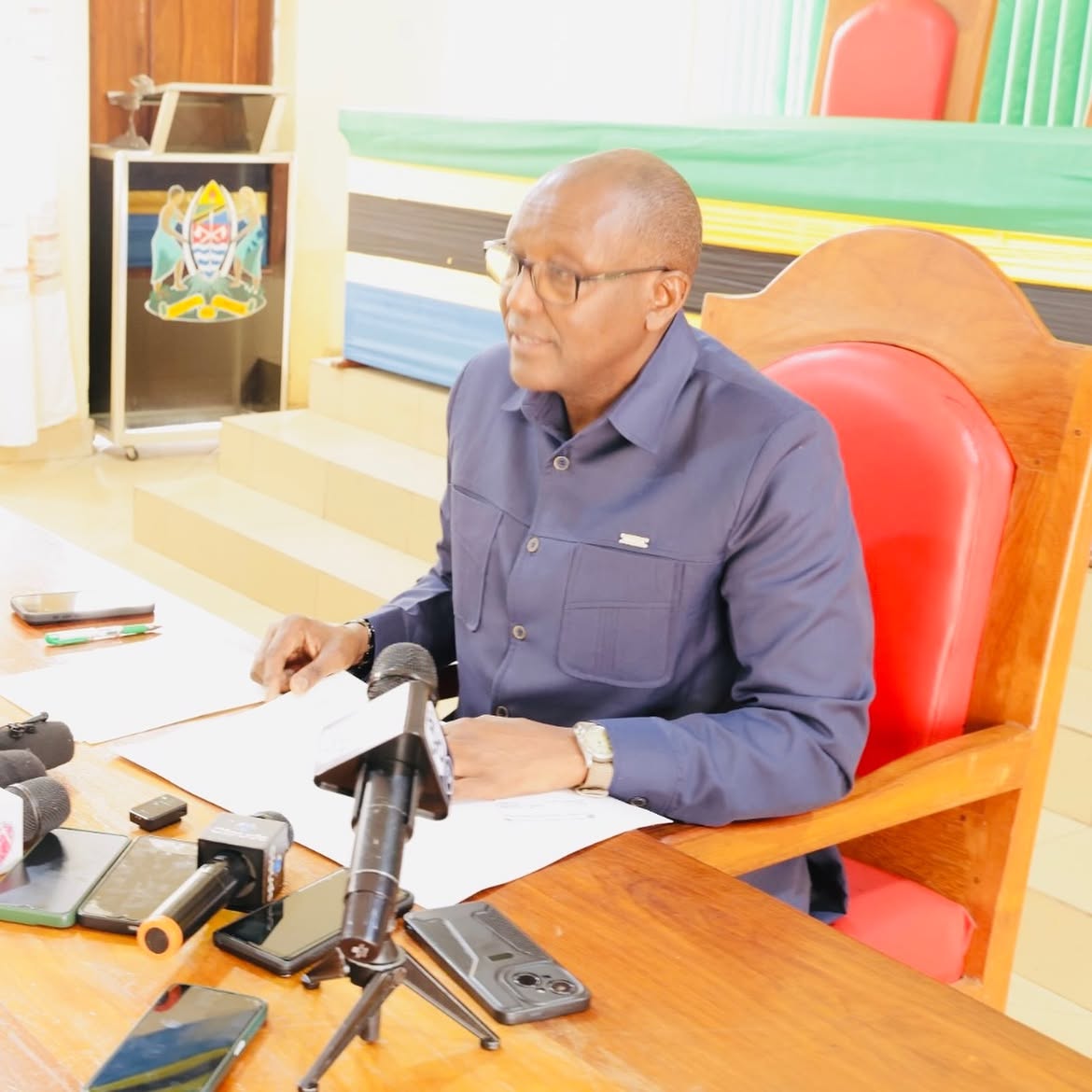
The incident, reported from Bukoba in the Kagera region, is a stark reminder of the persistent challenges posed by mineral trafficking and the Tanzanian government's unwavering resolve to curb such illicit activities. Deputy Minister for Minerals, Dr. Steven Kiruswa, emphasized the government's strengthened monitoring systems and inter-agency cooperation aimed at protecting national mineral resources and ensuring that the sector benefits all Tanzanians. This article delves into the legal framework underpinning these enforcement actions, examining the statutory provisions, regulatory bodies, and the implications for legal practitioners and stakeholders in Tanzania's mining sector.
Background
The legal landscape governing mining activities in Tanzania is primarily anchored in the Mining Act, Cap 123 R.E. 2019 (as amended), which provides a comprehensive framework for the regulation of prospecting, mining, processing, and dealing in minerals. A foundational principle enshrined in Section 5 of the Mining Act is that all minerals within Tanzania, whether on the surface or beneath, including those in water bodies, are public property vested in the President in trust for the citizens of Tanzania. This principle is further reinforced by the Natural Wealth and Resources (Permanent Sovereignty) Act, No. 5 of 2017 (Cap 449 R.E. 2023), which emphasizes national control over natural resources and mandates that agreements related to such resources protect the interests of Tanzanian citizens.
Central to the regulatory oversight is the Mining Commission, established under the Mining Act, with extensive functions including supervising and regulating the sector, issuing and cancelling mineral rights, monitoring the mining industry, and resolving disputes. The Commission is also responsible for managing and controlling mineral trade, conducting valuations, providing identification certificates, and issuing export or import permits. Subsidiary legislation, such as the Mining (Mineral Trading) Regulations, 2010, and the Mining (Minerals and Mineral Concentrates Trading) Regulations, 2018, further detail the procedures and conditions for mineral export and import, including requirements for permits and payment of royalties. The government has also established over 40 official mineral markets and buying centres nationwide to formalize trade and ensure proper revenue collection.
Analysis
The recent gold seizure highlights several critical legal provisions and enforcement mechanisms designed to combat mineral trafficking in Tanzania. Under Section 18(3) of the Mining Act, 2010, it is explicitly prohibited for any person to export minerals from Tanzania unless they are a mineral right holder or a licensed dealer, and have obtained an export permit after paying the requisite royalty. Non-compliance with these provisions constitutes a criminal offence, with Section 18(4) stipulating penalties of a fine not exceeding TZS 10 million or imprisonment for up to three years, or both, for individuals. For body corporates, the fine can extend up to TZS 50 million. Furthermore, illegally obtained minerals are subject to forfeiture.
The operation involved a multi-agency task force, demonstrating the integrated approach adopted by the Tanzanian government. The Tanzania Police Force provides the enforcement arm, while the Mining Commission plays a crucial role in verification, valuation, and ensuring compliance with licensing and export permit requirements. The Mining (Minerals and Mineral Concentrates Trading) Regulations, 2018, stipulate that an export permit is only issued after minerals have been examined and weighed by a Mines Resident Officer and sealed by the Commission, with the permit becoming invalid if the seal is broken prior to export. This rigorous process aims to prevent illicit trade and ensure that all minerals exported are accounted for and taxed appropriately.
Beyond direct violations of mining legislation, mineral trafficking often implicates other serious economic crimes, notably money laundering. The Anti-Money Laundering Act, Cap 423 R.E. 2022, defines money laundering broadly to include the conversion, transfer, concealment, disguising, use, or acquisition of money or property known to be of illicit origin. Smuggling of minerals is recognized as a predicate offence for money laundering in Tanzania, meaning that proceeds from such illegal activities can be subject to anti-money laundering investigations and asset forfeiture. The government's strategy to combat trafficking also includes legislative reforms, such as the Finance Act 2024, which introduced a mandatory 20% local processing and Bank of Tanzania reserve quota for large-scale gold miners, and the Finance Act 2025, which added a 0.1% HIV Response Levy on all mineral exports, further tightening control and revenue capture.
The government's proactive stance is also evident in its efforts to formalize the artisanal and small-scale mining (ASM) sector by establishing mineral markets and buying centres, encouraging miners and dealers to use official channels. This approach aims to bring more transparency and accountability to the mineral sector, reducing opportunities for illicit trade and ensuring that the country derives optimal benefits from its natural resources. The Deputy Minister for Minerals noted that between July 2025 and March 2026, minerals worth TZS 3.31 billion were seized in 55 separate incidents, underscoring the scale of the problem and the ongoing enforcement efforts.
Conclusion
The recent seizure of TZS 1.345 billion worth of gold serves as a powerful affirmation of Tanzania's unwavering commitment to combating mineral trafficking and protecting its national wealth. For legal practitioners advising clients in the mining sector, this incident underscores the critical importance of strict adherence to the comprehensive regulatory framework. Compliance with the Mining Act, Cap 123 R.E. 2019, the Mining (Minerals and Mineral Concentrates Trading) Regulations, 2018, and other related fiscal and customs laws is not merely a best practice but a legal imperative to avoid severe penalties, including substantial fines, imprisonment, and forfeiture of assets.
Practitioners must emphasize to their clients the necessity of obtaining all requisite licenses and permits, ensuring accurate valuation, and diligently paying royalties and taxes through official channels. The government's multi-agency approach and the establishment of official mineral markets signal a zero-tolerance policy towards illicit trade. As Tanzania continues to strengthen its monitoring systems and enforcement capabilities, legal professionals should advise on robust due diligence, transparent operations, and the potential for broader legal implications, including anti-money laundering investigations, for any involvement in unauthorized mineral activities. The ongoing crackdowns highlight a sustained effort to maximize national benefits from mineral resources, making full legal compliance paramount for all stakeholders in the Tanzanian mining industry.
Citations
- 1.Mining Act, Cap 123 R.E. 2019
- 2.Mining Act, 2010
- 3.Natural Wealth and Resources (Permanent Sovereignty) Act, No. 5 of 2017
- 4.Natural Wealth and Resources (Permanent Sovereignty) Act, Cap 449 R.E. 2023
- 5.Mining (Mineral Trading) Regulations, 2010
- 6.Mining (Minerals and Mineral Concentrates Trading) Regulations, 2018
- 7.Anti-Money Laundering Act, Cap 423 R.E. 2022
- 8.Finance Act 2024
- 9.Finance Act 2025
- 10.Daily News Tanzania, "Tanzania seizes gold worth 1.345bn/- in its efforts to curb mineral trafficking" (July 13, 2026)
How does this affect your business?
Get an AI analysis of this article grounded in your jurisdictions, practice areas, and any policy documents you've uploaded to Wansom.