
Tensions Amid Constitutional Referendum
Abstract
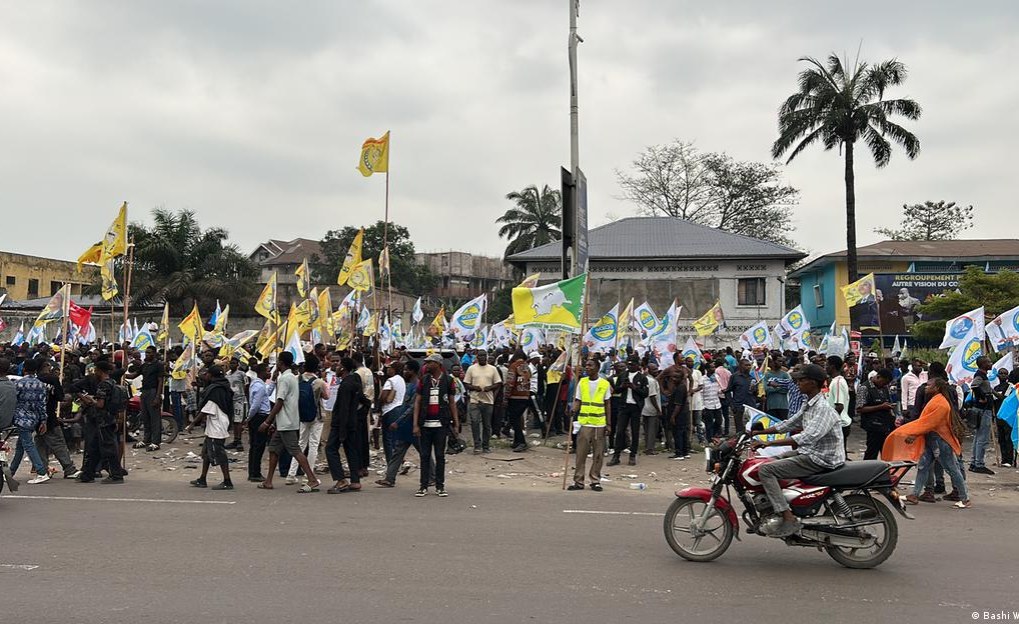
The Democratic Republic of Congo (DRC) is currently experiencing heightened political tensions surrounding a proposed constitutional referendum. President Félix Tshisekedi's administration is advocating for a new constitution, which the opposition fears is a tactic to bypass the existing two-term presidential limit enshrined in Article 220 of the 2006 Constitution. This article, considered an entrenched provision, explicitly prohibits any modification to the number and length of presidential terms. The legal debate centers on whether a new constitution can legitimately circumvent these unamendable clauses, raising significant questions about constitutionalism, democratic stability, and the rule of law in the DRC. The African Union has offered mediation, leading to a temporary postponement of opposition protests, underscoring the regional and international implications of this domestic legal and political challenge.
Introduction
The Democratic Republic of Congo (DRC) finds itself at a critical juncture, grappling with escalating political tensions fueled by plans to introduce a new national constitution. This initiative, spearheaded by President Félix Tshisekedi's administration, has ignited a fierce debate across the political spectrum, with the opposition vehemently accusing the President of seeking to extend his tenure beyond the constitutionally mandated two terms. The proposed constitutional overhaul is perceived by many as a direct challenge to the foundational principles of democratic governance established by the 2006 Constitution, particularly its stringent provisions on presidential term limits.
The current political climate is fraught with uncertainty, reminiscent of past constitutional crises in the DRC and other African nations where attempts to alter term limits have often led to instability and violence. The legal and political ramifications of this proposed referendum are profound, touching upon the very essence of constitutionalism, the separation of powers, and the protection of democratic gains. This article aims to dissect the legal framework governing constitutional amendments in the DRC, analyze the contentious arguments surrounding the proposed changes, and explore the potential implications for the country's political future and its adherence to democratic principles.
Background
The legal bedrock of the Democratic Republic of Congo is its Constitution, adopted by referendum on February 18, 2006. This foundational document was designed to usher in an era of democratic governance and stability following years of conflict and authoritarian rule. A cornerstone of this constitutional architecture is the limitation on presidential terms. Article 70 of the 2006 Constitution stipulates that the President of the Republic is elected by direct universal suffrage for a term of five years, renewable only once. Crucially, Article 220 of the same Constitution declares that certain provisions are unamendable, including "the number and length of terms of office of the President of the Republic."
This entrenchment clause in Article 220 is a vital safeguard against attempts to perpetuate power, reflecting a deliberate effort to prevent a return to past authoritarian tendencies. Beyond presidential term limits, Article 220 also protects the republican form of the state, the principle of universal suffrage, the independence of the judiciary, and political pluralism from any constitutional revision. The process for amending the Constitution is outlined in Article 218, which permits initiation by the President, the government, Parliament, or a petition of at least 100,000 citizens. Any proposed amendment, if approved by Parliament, may be submitted to a popular referendum, unless it secures a four-fifths majority in Parliament. The historical context is particularly relevant, as former President Joseph Kabila's attempts to remain in power beyond his constitutional mandate in 2016, despite Article 220, led to significant political unrest and a controversial ruling by the Constitutional Court.
Analysis
The current constitutional debate in the DRC centers on the interpretation and application of Article 220 of the 2006 Constitution. President Tshisekedi, re-elected for his second and ostensibly final term in December 2023, has publicly stated that the existing constitution is "outdated" and not suited to the country's realities, proposing a commission to draft a new constitution in 2025. He has suggested that the decision to remove presidential term limits would ultimately rest with the people through a referendum. This stance directly clashes with the explicit prohibition in Article 220 against altering presidential term limits, which is considered an "intangible" provision.
The opposition, coalescing under platforms like C64 (named after Article 64 of the Constitution, which grants citizens the right to resist an unconstitutional seizure of power), views the proposed referendum as a thinly veiled attempt to reset presidential term limits and allow President Tshisekedi to seek a third term. They argue that a "new constitution" cannot simply bypass the entrenched provisions of the existing one, as this would fundamentally undermine the rule of law and the very concept of constitutionalism. The legal argument hinges on whether the power to adopt a new constitution (pouvoir constituant originaire) can be invoked to override the limitations on constitutional amendment (pouvoir constituant dérivé) when those limitations protect core democratic principles. The Constitutional Court, established in 2006 as the highest constitutional authority, plays a pivotal role in interpreting the Constitution and adjudicating disputes related to elections and referendums. Its past ruling in 2016, which allowed then-President Kabila to remain in office beyond his term due to delayed elections, sets a concerning precedent for the potential judicial interpretation of constitutional continuity versus political expediency.
Comparatively, across Africa, the erosion of presidential term limits through constitutional amendments or the adoption of new constitutions has been a recurring challenge to democratic consolidation. Such actions often trigger political crises, protests, and violence, undermining public trust in democratic institutions. The African Union, through its Mediation and Dialogue Division, has a mandate to promote peace, security, and stability, including combating unconstitutional changes of government. The AU's recent mediation offer, which led to the postponement of opposition protests, highlights the regional body's recognition of the potential for instability and its role in fostering dialogue to uphold constitutional order. However, the effectiveness of AU mediation often faces challenges related to internal divisions among member states and the autonomy of its processes.
Conclusion
The Democratic Republic of Congo stands at a critical juncture, where the proposed constitutional referendum presents a profound challenge to its nascent democratic institutions and the rule of law. The legal battle over presidential term limits, enshrined as an unamendable provision in Article 220 of the 2006 Constitution, will test the resilience of the country's constitutional framework and the independence of its judiciary. For legal practitioners, this situation underscores the paramount importance of constitutional fidelity and the vigilant defense of entrenched democratic principles against political maneuvering.
Practitioners in the DRC and those engaged with Congolese affairs must closely monitor the pronouncements of the Constitutional Court, as its interpretation of the legality of a referendum to circumvent Article 220 will be determinative. The ongoing African Union mediation efforts also warrant close attention, as they represent a crucial avenue for de-escalation and the potential for a negotiated resolution that respects constitutional norms. The outcome of this constitutional debate will not only shape the future of governance in the DRC but also send a powerful message across the continent regarding the sanctity of presidential term limits and the commitment to democratic transitions. Adherence to constitutional principles, transparent dialogue, and respect for the will of the people, as expressed through a legitimate and unmanipulated constitutional process, remain essential for the long-term stability and democratic development of the Democratic Republic of Congo.
Citations
- 1.Constitution of the Democratic Republic of the Congo (2006)
- 2.Article 5 of the Constitution of the Democratic Republic of the Congo (2006)
- 3.Article 64 of the Constitution of the Democratic Republic of the Congo (2006)
- 4.Article 70 of the Constitution of the Democratic Republic of the Congo (2006)
- 5.Article 218 of the Constitution of the Democratic Republic of the Congo (2006)
- 6.Article 220 of the Constitution of the Democratic Republic of the Congo (2006)
How does this affect your business?
Get an AI analysis of this article grounded in your jurisdictions, practice areas, and any policy documents you've uploaded to Wansom.