
Tesla crash that killed a woman under US federal investigation
Abstract
A fatal Tesla crash in the United States, currently under investigation by the US auto safety regulator, highlights critical considerations for Ghana's evolving legal and regulatory landscape. While the incident occurred abroad, it underscores the increasing prevalence of advanced vehicle technologies globally, including in Ghana. This article examines the implications for Ghanaian legal professionals, particularly concerning product liability under common law negligence, the role of the National Road Safety Authority and Ghana Standards Authority, and the urgent need for a comprehensive consumer protection framework to address complex defects in modern automotive products. The US investigation serves as a crucial case study for anticipating future legal challenges and advocating for robust safety standards and consumer recourse in Ghana.
Introduction
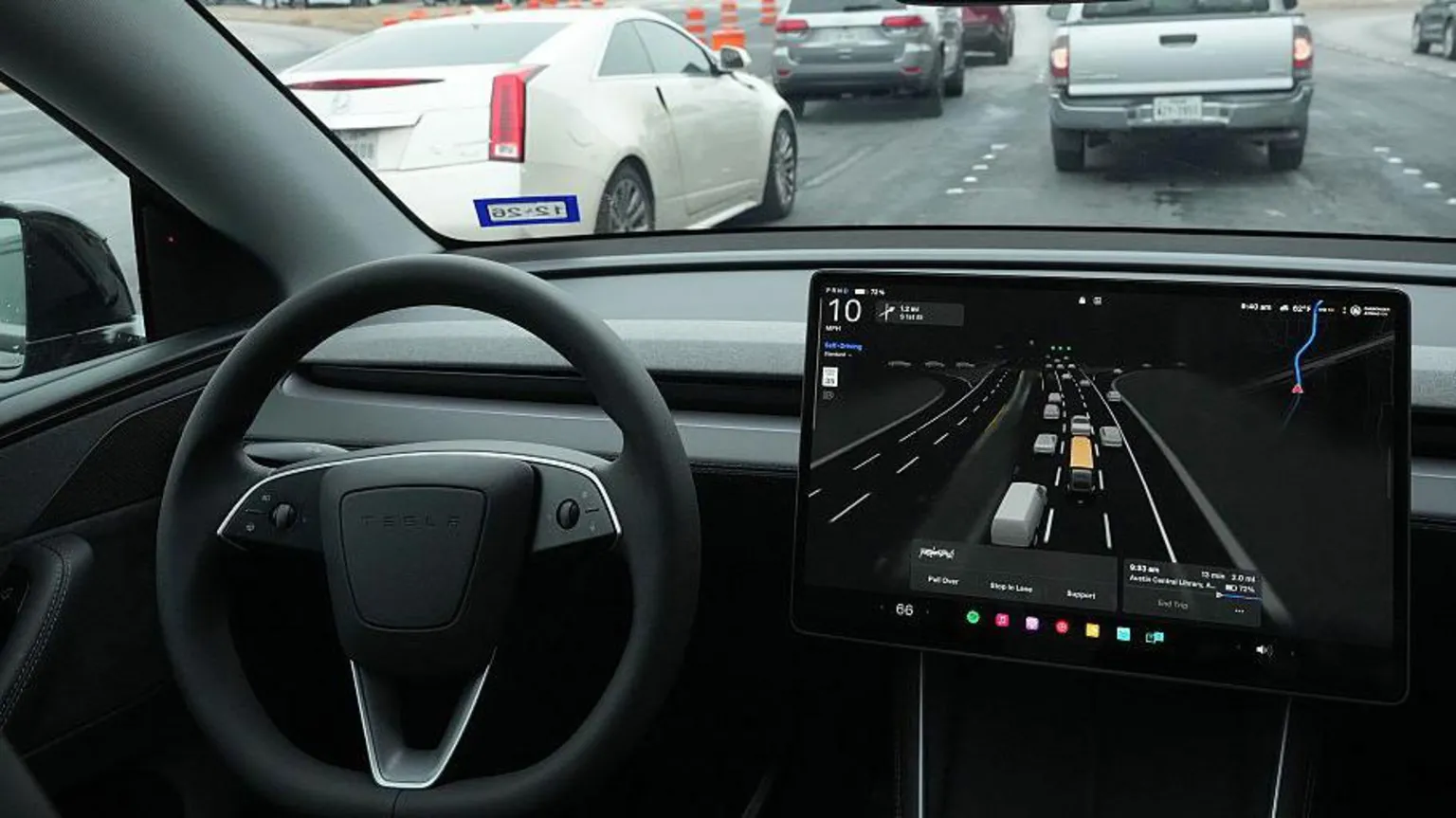
A recent fatal crash involving a Tesla vehicle in the United States, which saw the car drive into a home, has triggered a federal investigation by the US auto safety regulator, the National Highway Traffic Traffic Safety Administration (NHTSA). This incident, while geographically distant, carries significant implications for legal professionals in Ghana. As advanced automotive technologies, including electric vehicles and those equipped with sophisticated driver-assistance systems, become more common on Ghanaian roads, the potential for similar incidents and the ensuing legal complexities grow.
For Ghanaian legal practitioners, this US investigation serves as a vital case study. It prompts a critical examination of Ghana's existing legal and regulatory frameworks concerning product liability, consumer protection, and vehicle safety. Understanding how such a high-profile incident is handled in a developed jurisdiction can inform and prepare the Ghanaian legal community for potential future challenges involving complex technological defects in imported vehicles. This article will explore the relevance of the US investigation to Ghana, highlighting the current legal landscape and advocating for necessary adaptations to protect consumers and ensure road safety in an era of rapidly advancing automotive technology.
Background
In the United States, the National Highway Traffic Safety Administration (NHTSA) is the primary federal agency responsible for vehicle safety, authorized by the National Traffic and Motor Vehicle Safety Act to investigate safety-related defects and mandate recalls. Its Office of Defects Investigation (ODI) gathers information, investigates potential defects, identifies unsafe vehicles, and manages the recall process, requiring manufacturers to notify NHTSA of safety-related defects and provide free remedies.
In Ghana, the legal framework for product liability is primarily rooted in common law negligence, which places a substantial evidentiary burden on the consumer to prove that a product was defective due to the manufacturer's negligence and that this defect caused their injury. While the Sale of Goods Act, 1962 (Act 137) provides for implied conditions as to the quality and fitness of goods, particularly when sold in the ordinary course of business, it does not establish a strict liability regime for manufacturers. Furthermore, despite the existence of a Consumer Protection Agency, Ghana currently lacks a comprehensive, unified Consumer Protection Act, with consumer protection provisions often scattered across various pieces of legislation.
Vehicle safety regulation in Ghana is primarily overseen by the National Road Safety Authority (NRSA), established under the NRSA Act, 2019 (Act 993). The NRSA's mandate includes developing, promoting, coordinating, and regulating road safety activities, procedures, and standards, and it is empowered to issue compliance notices for breaches of these standards. Additionally, the Ghana Standards Authority (GSA) plays a crucial role in setting and enforcing standards for imported vehicles. Ghana has specific requirements for imported used motor vehicles, as outlined in the Draft Ghana Standard DGS: 4510:2022, which specifies safety characteristics and inspection criteria. These regulations also include prohibitions on salvaged vehicles with major damages and impose age limits on imported used vehicles.
Analysis
The US federal investigation into the Tesla crash underscores several critical challenges that Ghanaian legal professionals and regulators must consider. Firstly, Ghana's reliance on common law negligence for product liability claims presents a formidable hurdle for consumers seeking redress for injuries caused by defective products, especially in the context of technologically advanced vehicles. Proving manufacturer negligence for a complex software or hardware defect in an autonomous or semi-autonomous vehicle requires highly specialized technical expertise, which may not be readily accessible to individual consumers or even the courts. The absence of a strict liability regime, where a manufacturer could be held liable regardless of fault if a product is defective and causes harm, further disadvantages consumers in Ghana compared to jurisdictions with more robust product liability laws.
Secondly, the role of regulatory bodies like the National Road Safety Authority (NRSA) and the Ghana Standards Authority (GSA) becomes paramount. The NRSA's mandate to regulate and enforce road safety standards, including issuing compliance notices, provides a mechanism for addressing vehicle safety issues. However, the specific expertise and resources required to investigate defects in advanced driver-assistance systems (ADAS) or autonomous driving technology may necessitate enhanced capabilities within the NRSA. Similarly, the GSA's role in homologating and setting safety standards for imported vehicles, as seen with the Ghana Standard DGS: 4510:2022 for used vehicles, is crucial for ensuring that vehicles entering the Ghanaian market meet acceptable safety thresholds. The findings from the US investigation, particularly regarding any identified defects or failures in Tesla's systems, could serve as persuasive evidence or a benchmark for Ghanaian authorities and courts in similar future cases.
Thirdly, the cross-border nature of modern vehicle manufacturing and sales adds another layer of complexity. If a Tesla or any other advanced vehicle imported into Ghana is found to have a defect that is the subject of an international investigation or recall, Ghanaian consumers would need clear avenues for recourse. This highlights the need for a robust understanding of international product liability principles and mechanisms for enforcing foreign judgments or participating in global recalls. The US investigation's outcomes could influence how Ghanaian courts interpret manufacturer duties and product safety standards, even if not directly binding. Finally, the incident reinforces the urgent calls for a comprehensive Consumer Protection Act in Ghana. Such legislation could consolidate existing fragmented provisions, introduce clearer standards for product safety, and potentially shift the burden of proof or introduce strict liability for certain defective goods, thereby offering greater protection to consumers in an increasingly complex marketplace.
Conclusion
The ongoing US federal investigation into the fatal Tesla crash serves as a stark reminder for Ghanaian legal professionals of the evolving landscape of product liability and vehicle safety. As Ghana continues to embrace advanced automotive technologies, including electric vehicles and those with sophisticated driver-assistance systems, the legal community must proactively prepare for the unique challenges these innovations present. The current reliance on common law negligence, with its high evidentiary burden on consumers, may prove inadequate for addressing complex technological defects, underscoring the need for legislative reform.
Practitioners should closely monitor international developments in product liability and vehicle safety, particularly those involving advanced technologies. There is a compelling need to advocate for a comprehensive Consumer Protection Act in Ghana that could introduce clearer standards, potentially strict liability, and more accessible recourse for consumers. Furthermore, the National Road Safety Authority and the Ghana Standards Authority will play increasingly vital roles in establishing and enforcing robust safety standards for all vehicles, especially those with emerging technologies, to safeguard Ghanaian road users and ensure accountability from manufacturers. Proactive engagement with these issues is essential to ensure that Ghana's legal framework remains fit for purpose in the 21st century automotive landscape.
Citations
- 1.National Road Safety Authority Act, 2019 (Act 993)
- 2.Sale of Goods Act, 1962 (Act 137)
- 3.Ghana Standard DGS: 4510:2022 Road vehicles — requirements for imported used motor vehicles