
The man and the movement: a Q&A with Peter Canellos on his biography of Samuel Alito
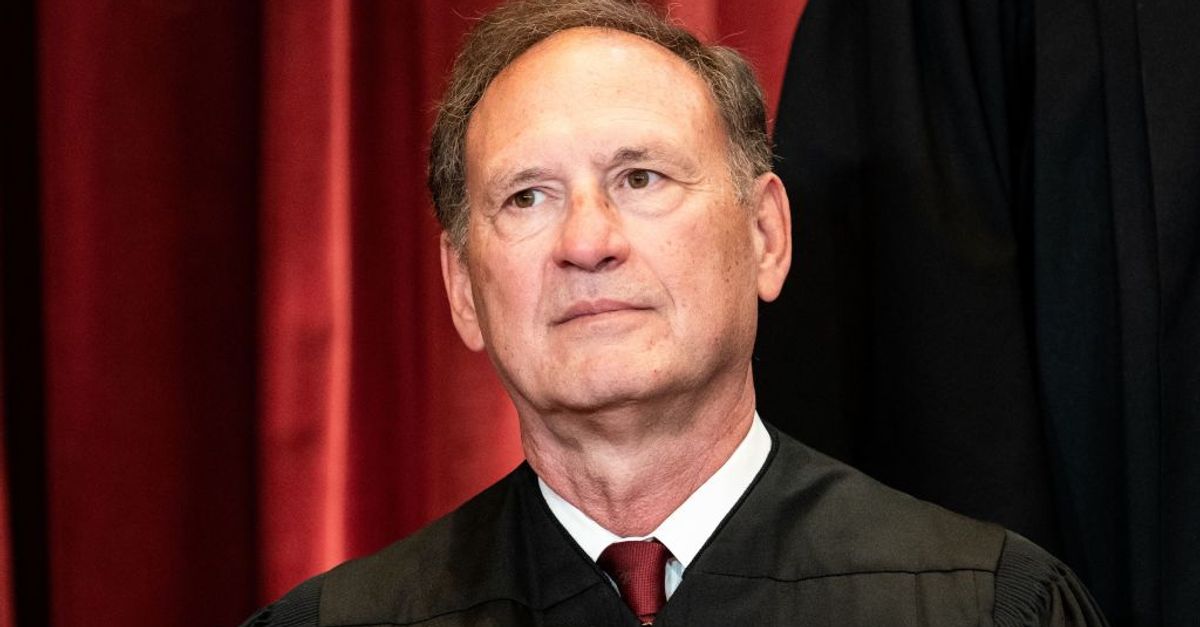
Abstract
Peter S. Canellos's biography, "Revenge for the Sixties: Sam Alito and the Triumph of the Conservative Legal Movement," offers a critical examination of Justice Samuel Alito's judicial philosophy and his pivotal role in the conservative reshaping of American law. This article explores how the biography provides legal professionals with insights into the origins and evolution of the conservative legal movement, its influence on Supreme Court jurisprudence, and the specific impact of Justice Alito's opinions. By dissecting the intellectual and personal underpinnings of a key justice, the book illuminates the forces driving significant shifts in areas such as abortion rights, religious liberty, and gun control, offering a nuanced understanding of contemporary constitutional interpretation.
Introduction
Peter S. Canellos's recent biography, "Revenge for the Sixties: Sam Alito and the Triumph of the Conservative Legal Movement," presents a timely and incisive exploration into the judicial mind of Associate Justice Samuel Alito and the broader ideological currents that have reshaped the United States Supreme Court. For legal practitioners, this work is more than a biographical account; it serves as a crucial lens through which to understand the foundational principles and strategic evolution of the conservative legal movement, culminating in its profound impact on contemporary American jurisprudence. The book, lauded for its balanced yet sharp analysis, delves into the personal history and intellectual development that inform Justice Alito's distinctive approach to constitutional law.
Background
The conservative legal movement emerged in the latter half of the 20th century as a direct response to what its proponents viewed as judicial overreach by courts, particularly the Warren Court, which issued progressive decisions in areas like privacy and criminal procedure. Organizations such as the Federalist Society, founded in 1982, became instrumental in fostering a network of conservative and libertarian legal professionals committed to a strict interpretation of the U.S. Constitution, emphasizing originalism and textualism. This movement strategically influenced judicial appointments, advocating for judges who would interpret the law as written rather than create new legal standards. Justice Samuel Alito, appointed to the Supreme Court in 2006, embodies this trajectory, having served as a judge on the U.S. Court of Appeals for the Third Circuit and articulating conservative views that foreshadowed his later Supreme Court opinions.
Analysis
Canellos's biography provides a detailed look into Justice Alito's judicial philosophy, often characterized as a "practical originalist" who consistently aligns with the Supreme Court's conservative bloc. The book likely traces how Alito's personal experiences and intellectual formation, particularly his perceived reaction to the "Sixties," fueled his commitment to conservative legal principles. This perspective is critical for understanding his majority opinions in landmark cases that have significantly altered the legal landscape. For instance, Justice Alito authored the majority opinion in *Dobbs v. Jackson Women's Health Organization*, 597 U.S. 215 (2022), which famously overturned *Roe v. Wade*, 410 U.S. 113 (1973), and *Planned Parenthood v. Casey*, 505 U.S. 833 (1992), eliminating the constitutional right to abortion. This decision exemplifies the conservative legal movement's long-standing goal of reinterpreting constitutional rights based on historical understanding and returning authority to state legislatures.
Beyond abortion, Justice Alito has been a pivotal voice in expanding gun rights, as seen in *McDonald v. City of Chicago*, 561 U.S. 742 (2010), which incorporated the Second Amendment right to bear arms against the states. His jurisprudence has also significantly bolstered religious liberty, notably in *Burwell v. Hobby Lobby Stores, Inc.*, 573 U.S. 682 (2014), where he authored the majority opinion holding that closely held for-profit corporations could be exempt from certain mandates under the Religious Freedom Restoration Act. These decisions reflect a consistent application of conservative legal theories, often emphasizing textualism and original intent, which has led to a predictable, ideologically unified bloc on the Court.
The biography's balanced treatment, acknowledging both praise and criticism, is crucial for legal professionals seeking a comprehensive understanding of Alito's impact. It highlights how his opinions, while rooted in a consistent judicial philosophy, have been instrumental in reshaping areas such as voting rights, religious freedom, and LGBTQ+ rights, often leading to outcomes that erode previously established protections. The influence of the Federalist Society, of which Justice Alito is a member, is also a key theme, demonstrating how a concerted effort to cultivate and promote judges with specific interpretive methodologies has profoundly altered the federal judiciary.
Conclusion
Canellos's biography of Justice Samuel Alito offers indispensable insights for legal practitioners navigating the evolving landscape of American law. Understanding the ideological underpinnings and personal history of influential justices like Alito is crucial for anticipating judicial trends and formulating effective legal strategies. The book underscores that the "triumph of the conservative legal movement" is not merely a political phenomenon but a deeply rooted intellectual project that has systematically influenced judicial appointments and constitutional interpretation.
Practitioners must recognize that the current Supreme Court, heavily influenced by justices aligned with the conservative legal movement, will likely continue to apply originalist and textualist methodologies, potentially leading to further re-evaluations of established precedents. Staying abreast of these foundational philosophies, as illuminated by works like Canellos's biography, is essential for advising clients and litigating cases in an era defined by significant shifts in constitutional law. The ongoing impact of Justice Alito's jurisprudence, particularly in areas of individual rights and federal power, will undoubtedly continue to shape legal discourse and practice for years to come.
Citations
- 1.Dobbs v. Jackson Women's Health Organization, 597 U.S. 215 (2022)
- 2.Roe v. Wade, 410 U.S. 113 (1973)
- 3.Planned Parenthood v. Casey, 505 U.S. 833 (1992)
- 4.McDonald v. City of Chicago, 561 U.S. 742 (2010)
- 5.Burwell v. Hobby Lobby Stores, Inc., 573 U.S. 682 (2014)
- 6.Janus v. AFSCME, Council 31, 585 U.S. 271 (2018)
How does this affect your business?
Get an AI analysis of this article grounded in your jurisdictions, practice areas, and any policy documents you've uploaded to Wansom.