
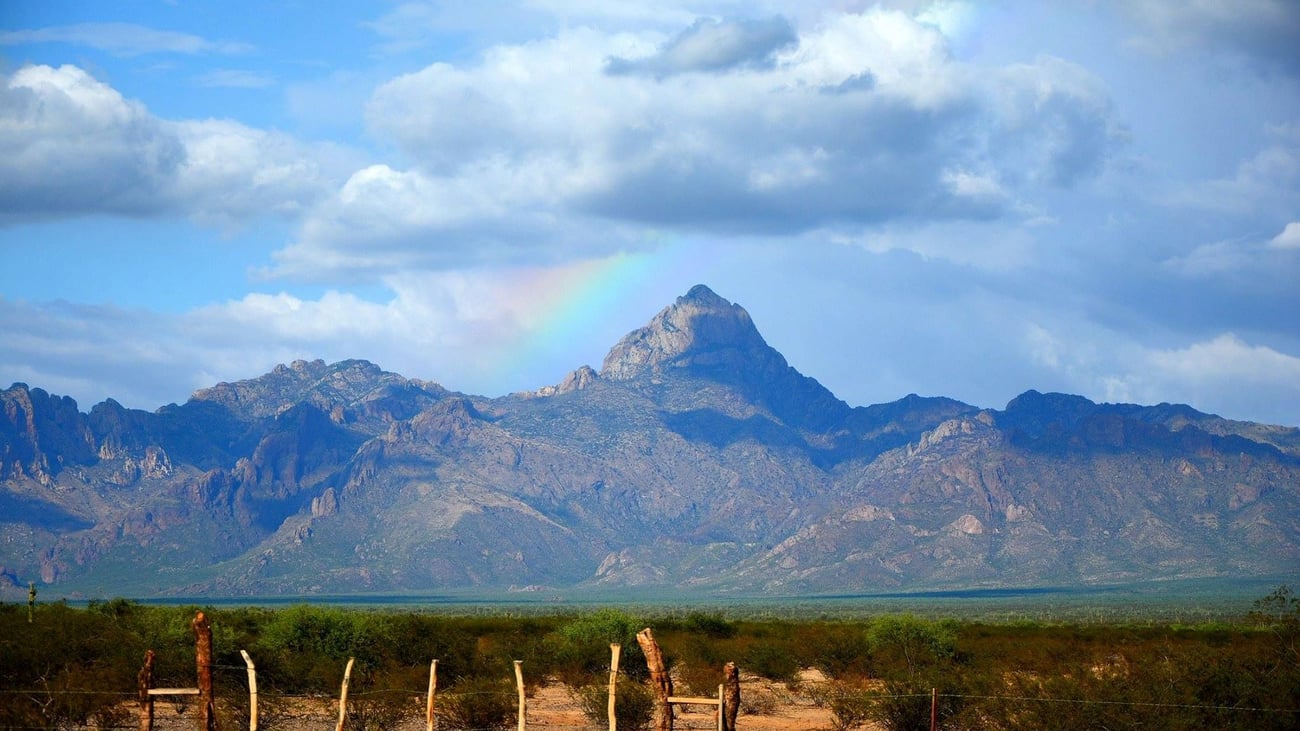
Tohono O'odham Nation blocks border wall construction near Baboquivari Mountain
Summary
- The Tohono O'odham Nation has expressed strong opposition to early phases of border wall construction along the US-Mexico border.
- Construction would likely require blasting through several sacred mountain ranges, including the Baboquivari Mountain range in Arizona.
- Federal law and policy, such as the Indian Reorganization Act and NEPA, require protection of tribal lands from development that could harm cultural or environmental resources. However, NEPA's implementing regulations have recently changed.
What Happened
The nation's concerns center around the potential impact on several sacred mountain ranges that span the border, including the Baboquivari Mountain range in Arizona.
The Tohono O'odham Nation has expressed strong opposition to the early phases of border wall construction along the US-Mexico border. The nation's concerns center around the potential impact on several sacred mountain ranges that span the border, including the Baboquivari Mountain range in Arizona. According to tribal leaders, any construction would likely require blasting through these sensitive areas, which could have devastating cultural and environmental consequences.
The Tohono O'odham Nation has a long history of advocating for the protection of their ancestral lands and sacred sites. The nation's opposition to border wall construction is not new, but recent developments have heightened tensions between tribal leaders and government officials. As construction efforts continue, the nation remains committed to defending its rights and interests.
Legal Context
The Tohono O'odham Nation's opposition to border wall construction is grounded in federal law and policy. The Indian Reorganization Act of 1934 and the National Environmental Policy Act (NEPA) require that tribal lands be protected from development that could harm cultural or environmental resources. While NEPA itself remains in force, its implementing regulations have undergone significant changes, with federal agencies now directed to develop their own procedures following an Executive Order in January 2025 that rescinded prior Council on Environmental Quality (CEQ) regulations. Additionally, the US-Mexico border region is home to numerous Native American reservations, each with its own unique cultural and historical significance. As such, any infrastructure project in this area must carefully consider the rights and interests of these communities.
The Tohono O'odham Nation has a long history of navigating complex federal regulations and policies related to land use and development. Tribal leaders have worked closely with government agencies to ensure that tribal lands are protected from harm. However, recent developments suggest that this may not be enough to prevent the construction of the border wall.
Why It Matters
The Tohono O'odham Nation's opposition to border wall construction highlights the complex and often contentious relationship between Native American communities and federal infrastructure projects. As the US continues to prioritize border security, tribal leaders are left to navigate a web of federal regulations and policies that can be difficult to understand and comply with.
The practical implications of this situation are significant. Lawyers advising clients on infrastructure projects near Native American reservations should be aware of the potential for tribal opposition and regulatory hurdles, which could impact project timelines and costs. By understanding these complexities, developers can better navigate the challenges associated with building in sensitive areas and avoid costly delays or disputes.
Practical Implications
Lawyers advising clients on infrastructure projects near Native American reservations should be aware of the potential for tribal opposition and regulatory hurdles, which could impact project timelines and costs.
Source
How does this affect your business?
Get an AI analysis of this article grounded in your jurisdictions, practice areas, and any policy documents you've uploaded to Wansom.