
Tony Ojukwu Elected Vice-President of African Rights Network
Abstract
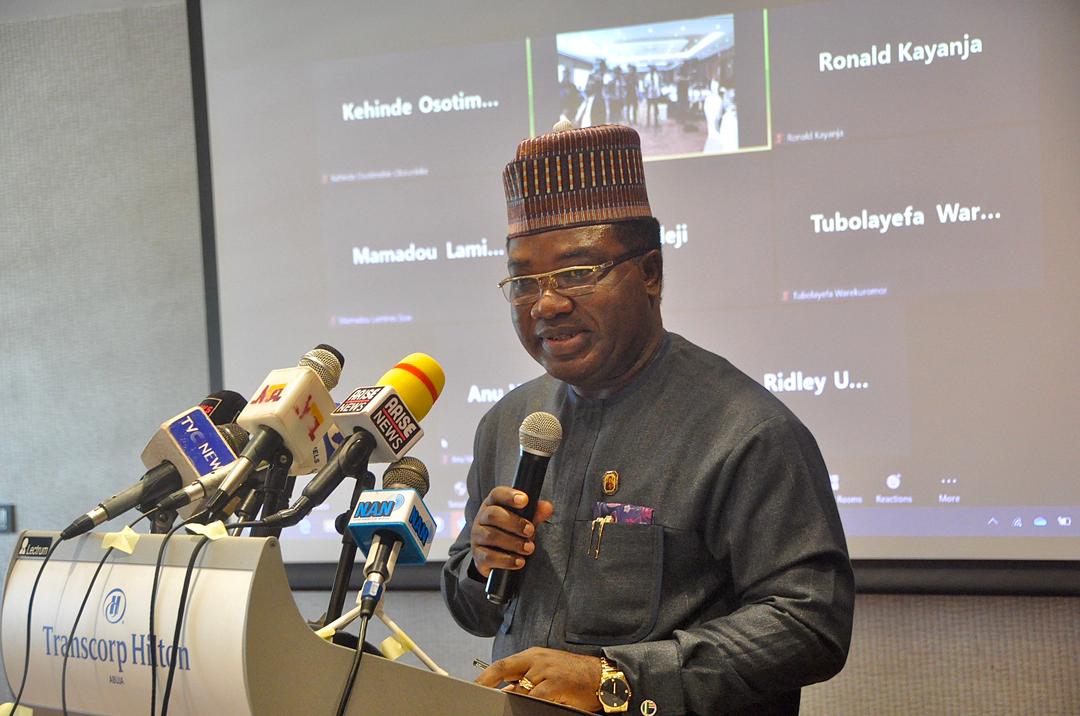
Tony Ojukwu, the Executive Secretary of Nigeria's National Human Rights Commission (NHRC), has been elected Vice-President of the African National Preventive Mechanisms Network (ANPMN). This significant development occurred on June 26, 2026, during the Fourth Annual Conference of ANPMN in Kigali, Rwanda. Ojukwu's election underscores Nigeria's growing influence in continental human rights advocacy, particularly in the critical area of torture prevention and the protection of persons deprived of their liberty. The ANPMN serves as a vital platform for strengthening preventive monitoring, sharing best practices, and enhancing technical cooperation among African National Preventive Mechanisms, aligning closely with the NHRC's mandate under the Optional Protocol to the UN Convention against Torture (OPCAT). This leadership role is expected to further bolster Nigeria's contributions to regional human rights initiatives and elevate its standing in global human rights discourse.
Introduction
The landscape of human rights advocacy in Africa has witnessed a notable development with the election of Mr. Tony Ojukwu, the Executive Secretary of the National Human Rights Commission (NHRC) of Nigeria, as the Vice-President of the African National Preventive Mechanisms Network (ANPMN). This pivotal election took place on June 26, 2026, during the Fourth Annual Conference of the ANPMN, held in Kigali, Rwanda.
Mr. Ojukwu's ascendancy to this continental leadership position signifies a substantial recognition of Nigeria's commitment and contributions to human rights, particularly in the realm of torture prevention and the safeguarding of detainees' rights. It is a testament to the NHRC's proactive engagement and the expertise of its leadership in addressing complex human rights challenges. For legal practitioners across Africa, this development signals an enhanced opportunity for coordinated regional action and the strengthening of mechanisms designed to uphold fundamental human rights.
This article delves into the statutory and doctrinal underpinnings of the NHRC and the ANPMN, analyzes the implications of Mr. Ojukwu's election for human rights protection in Nigeria and across the continent, and considers the practical ramifications for legal professionals engaged in human rights litigation and advocacy.
Background
The National Human Rights Commission (NHRC) of Nigeria was established by the National Human Rights Commission Act of 1995, subsequently amended in 2010. Its mandate is comprehensive, encompassing the promotion, protection, and enforcement of human rights as guaranteed by the Constitution of the Federal Republic of Nigeria, the African Charter on Human and Peoples' Rights, the United Nations Charter, the Universal Declaration of Human Rights, and other international and regional human rights instruments to which Nigeria is a party.
Crucially, the 2010 amendment conferred quasi-judicial powers on the NHRC, enabling it to summon persons, acquire evidence, award compensation, and enforce its decisions. The Commission also serves as Nigeria's National Preventive Mechanism (NPM) under the Optional Protocol to the United Nations Convention against Torture and Other Cruel, Inhuman or Degrading Treatment or Punishment (OPCAT). In this capacity, the NHRC is responsible for conducting independent inspections of places of detention, identifying conditions that could facilitate torture or ill-treatment, and recommending reforms to safeguard the rights and dignity of detainees.
The African National Preventive Mechanisms Network (ANPMN), the body to which Mr. Ojukwu was elected, is a continental platform specifically designed for NPMs established under OPCAT. Its primary objectives include strengthening preventive monitoring of places of deprivation of liberty, facilitating the sharing of best practices, enhancing technical cooperation among African NPMs, and advancing the prevention of torture across the continent. The ANPMN's secretariat is located in Rabat, Morocco. The broader African human rights framework is anchored by the African Charter on Human and Peoples' Rights, also known as the Banjul Charter, which promotes and protects human rights and basic freedoms across the continent.
Analysis
Mr. Ojukwu's election as Vice-President of the ANPMN is a significant endorsement of his distinguished leadership in torture prevention and the NHRC's growing reputation in promoting preventive monitoring and protecting the rights of persons deprived of their liberty. This new role places Nigeria in a stronger position to influence and shape Africa's torture prevention agenda, particularly at a time when many countries are striving to improve detention conditions and enhance compliance with international human rights obligations.
The Fourth Annual Conference of ANPMN, where the election took place, focused on the theme "Women and Children in Detention: Gender-responsive and Child-sensitive National Preventive Mechanism Approaches." This theme highlights a critical area of human rights protection, emphasizing the particular vulnerabilities of women and children in detention and the need for specialized approaches. Mr. Ojukwu's leadership in ANPMN will undoubtedly contribute to the development and implementation of such sensitive and responsive mechanisms across Africa, leveraging Nigeria's experience as an NPM.
This election is not Mr. Ojukwu's first foray into continental human rights leadership. He was previously elected President of the Network of National Human Rights Institutions in West Africa (NNHRI-WA) in July 2025 and became a member of the Bureau of the Global Alliance of National Human Rights Institutions (GANHRI) in February 2026. These prior roles demonstrate a consistent trajectory of leadership and influence within regional and global human rights bodies, positioning him well to drive the ANPMN's mandate. The synergy between the NHRC's statutory functions as Nigeria's NPM and the ANPMN's objectives creates a powerful platform for advancing human rights, particularly in fostering cooperation, sharing expertise, and building capacities among African NPMs.
For legal practitioners, this development underscores the increasing importance of international and regional human rights mechanisms in domestic legal practice. Engagement with the NHRC, as Nigeria's NPM, and understanding the standards promoted by ANPMN, will become even more crucial for effective advocacy in cases involving detention, torture, and ill-treatment. The election also reflects a broader trend of African states taking ownership of their human rights challenges and seeking African-led solutions.
Conclusion
The election of Mr. Tony Ojukwu as Vice-President of the African National Preventive Mechanisms Network marks a significant milestone for Nigeria and the broader African human rights community. It reinforces Nigeria's commitment to upholding human rights, particularly in the critical area of torture prevention and the protection of vulnerable populations in detention. For legal practitioners, this development signals an era of heightened regional collaboration and the potential for stronger enforcement of international human rights standards within national jurisdictions.
Practitioners should anticipate increased emphasis on preventive monitoring, gender-responsive approaches in detention, and enhanced technical cooperation among African nations. This presents opportunities for legal professionals to engage more deeply with the NHRC and other human rights institutions, contribute to policy development, and advocate for the robust implementation of OPCAT and the African Charter on Human and Peoples' Rights. The legal community must remain vigilant, leveraging this enhanced regional leadership to drive meaningful reforms and ensure that human rights are not merely aspirational but are actively protected and enforced across the continent.
Citations
- 1.African Charter on Human and Peoples' Rights, adopted June 27, 1981, OAU Doc. CAB/LEG/67/3 rev. 5, 21 I.L.M. 58 (1982), entered into force October 21, 1986.
- 2.National Human Rights Commission (Amendment) Act 2010 (Nigeria).
- 3.National Human Rights Commission Act 1995 (Nigeria).
- 4.Premium Times Nigeria, "NHRC Chief Tony Ojukwu Elected African Human Rights Network Vice President," June 30, 2026.
- 5.National Human Rights Commission (Nigeria) Official Website, "NHRC Mandate."
- 6.National Human Rights Commission (Nigeria) Official Website, "Chief (Dr.) Anthony Okechukwu Ojukwu, OFR, SAN, FICMC."
- 7.African National Preventive Mechanisms Network (ANPMN) Official Website.
- 8.Apex News Exclusive, "Nigeria secures key continental human rights role as NHRC boss Ojukwu emerges ANPMN Vice-President," June 30, 2026.
- 9.A1 News International, "Nigeria Secures Key Continental Human Rights Role as NHRC Boss Ojukwu Elected ANPMN Vice-President," June 30, 2026.
- 10.National Human Rights Commission (NHRC) Nigeria, "Continental Win for Nigeria as Ojukwu takes VP Seat in ANPMN," June 29, 2026.
- 11.National Commission for Human Rights (Rwanda), "NCHR to host the 4th Conference of the African National Preventive Mechanisms Network (ANPMN)," March 5, 2026.
- 12.YouTube, "4th Annual Conference of the African National Preventive Mechanisms Network (ANPMN) | Kigali, Rwanda," IGIHE, June 24, 2026.
How does this affect your business?
Get an AI analysis of this article grounded in your jurisdictions, practice areas, and any policy documents you've uploaded to Wansom.