
SCOTUS declines Trump's $5 million E Jean Carroll verdict reconsideration
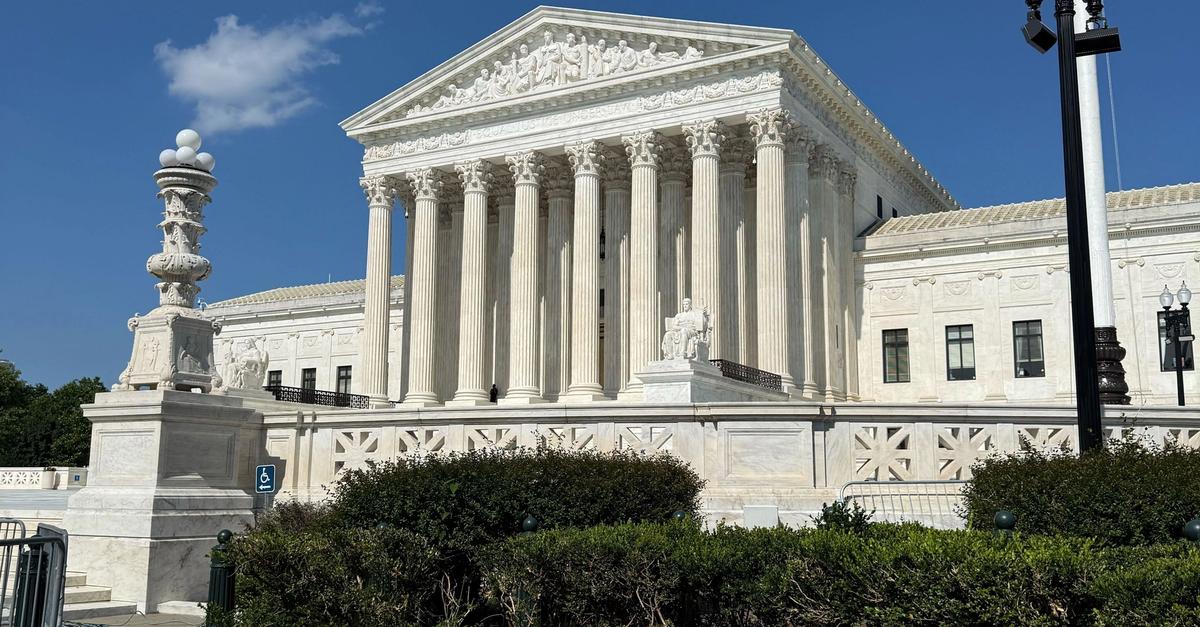
Summary
- The Supreme Court has declined President Donald Trump's request to reconsider a $5 million verdict against him in a civil suit brought by E. Jean Carroll.
- Trump argued that evidence from other women who alleged he had assaulted them and the 'Access Hollywood' tape should not have been allowed as evidence.
- Carroll countered that even if this evidence was excluded, it would not have changed the outcome of the trial due to the strength of her case.
- The Supreme Court's decision to decline Trump's petition means the lower court's verdict stands, impacting how evidence is presented in future defamation cases.
What Happened
Carroll countered that even if the jury should not have been allowed to consider the evidence, it ultimately would not have made a difference because the rest of her case was so strong.
The Supreme Court has declined to hear President Donald Trump's request to reconsider its decision to uphold a $5 million verdict against him in a civil suit brought by E. Jean Carroll. This development occurred on June 29, 2026, leaving the jury's sexual abuse and defamation findings against Trump intact. The case stems from a lawsuit filed by Carroll in 2022 against Trump, alleging that he had sexually assaulted her in a Manhattan department store in 1996 and then defamed her in 2022 after she went public with her allegations. A jury ultimately awarded Carroll $5 million, and the U.S. Court of Appeals for the 2nd Circuit upheld that verdict.
Legal Context
Trump's petition to reconsider the verdict was distributed to the justices, but the Supreme Court ultimately declined to hear his appeal. In his original petition, Trump argued that Carroll's lawyers should not have been allowed to introduce testimony from other women who alleged that he had assaulted them, as well as the infamous 'Access Hollywood' tape in which he bragged about grabbing women by their genitals. However, Carroll countered in her brief urging the court to deny Trump's petition that even if the jury should not have been allowed to consider this evidence, it ultimately would not have made a difference because the rest of her case was so strong.
Why It Matters
The implications of this development are significant for lawyers and litigants in defamation cases. The Supreme Court's decision to decline Trump's petition means the lower court's verdict stands, reinforcing how evidence is presented in such cases, particularly in jurisdictions where the 'Access Hollywood' tape may be admissible as evidence. This raises important questions about the role of prior bad acts evidence in defamation cases and how it can impact the outcome of trials. As lawyers watch this development closely, they should consider how the Supreme Court's decision could shape the landscape of future defamation cases.
Practical Implications
Lawyers should watch for potential implications of this development on future defamation cases, particularly in jurisdictions where the 'Access Hollywood' tape may be admissible as evidence.
Source
Source: Original reporting via [Source]
How does this affect your business?
Get an AI analysis of this article grounded in your jurisdictions, practice areas, and any policy documents you've uploaded to Wansom.