
UC Davis Student Convicted of Manslaughter in Stabbing Spree
Summary
- Carlos Reales Dominguez convicted of manslaughter for stabbing spree
- Defense argued defendant suffered from schizophrenia and didn't believe he was killing human beings
- Conviction highlights complexities of using insanity defenses in US courts
- Case may set precedent for future cases involving defendants with mental health conditions
- Judges may interpret intersection of insanity and manslaughter charges more strictly
What Happened
The defense team presented evidence of the defendant's mental health condition as a mitigating factor in the case.
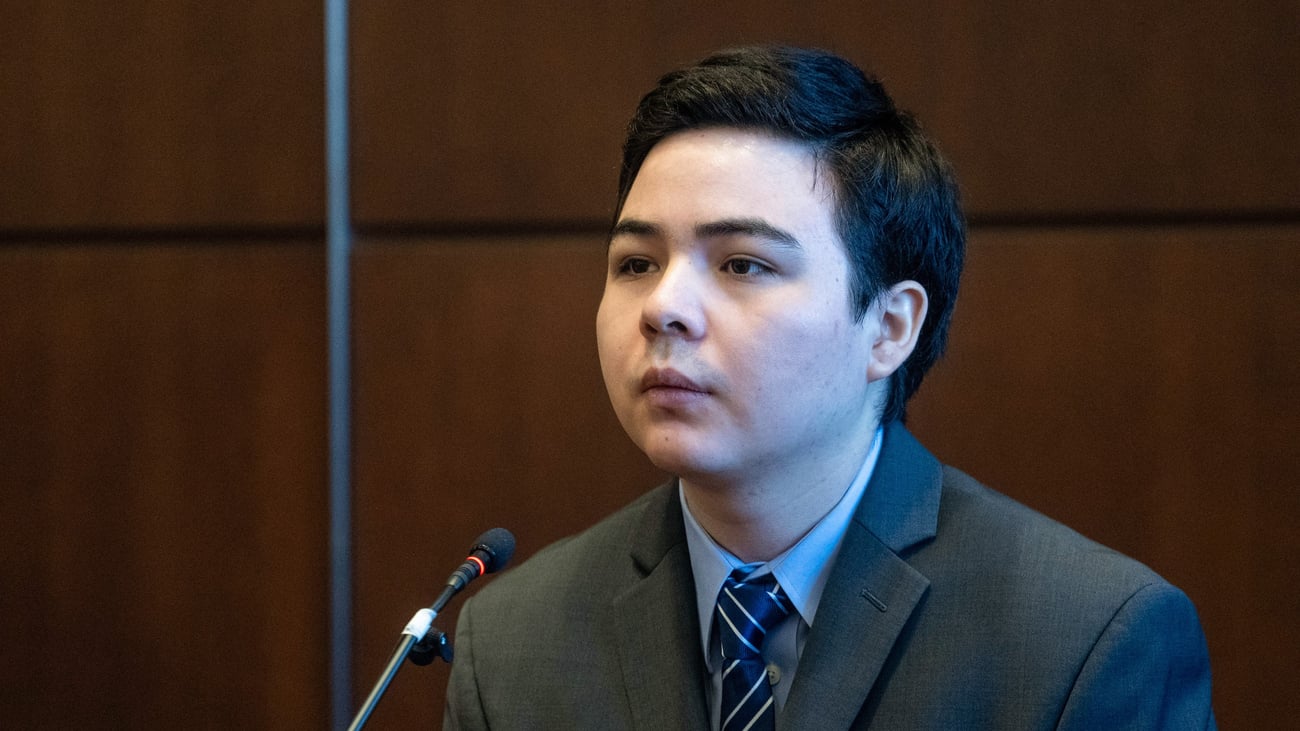
A former UC Davis student, Carlos Reales Dominguez, has been convicted of manslaughter in connection with a stabbing spree. The conviction comes after the defendant's public defender argued that he suffered from schizophrenia and did not believe he was killing human beings. According to reports, the defense team presented evidence of the defendant's mental health condition as a mitigating factor in the case. This argument is significant because it highlights the complexities of using insanity defenses in US courts.
Legal Context
The conviction marks a rare instance where a defendant has been found guilty of manslaughter rather than murder, despite being charged with the latter. In such cases, judges often grapple with the intersection of insanity and manslaughter charges, which can have significant implications for sentencing guidelines. The case law on insanity pleas in US courts is complex and nuanced, with varying standards applied across jurisdictions. This verdict may set a precedent for future cases involving defendants with mental health conditions.
Why It Matters
The conviction of Carlos Reales Dominguez has significant implications for lawyers handling similar cases in the future. Judges may be more inclined to interpret the intersection of insanity and manslaughter charges, potentially leading to more nuanced sentencing decisions. The verdict also underscores the importance of considering mental health conditions as a mitigating factor in criminal proceedings. As such, lawyers should pay close attention to this case and its potential impact on future cases involving defendants with mental health conditions.
Practical Implications
Lawyers should watch for the implications of this verdict on future cases involving defendants with mental health conditions, particularly how judges may interpret the intersection of insanity and manslaughter charges.
Source
How does this affect your business?
Get an AI analysis of this article grounded in your jurisdictions, practice areas, and any policy documents you've uploaded to Wansom.