
Union of India v Rohith Nathan Income Tax Implications Clarified
TL;DR
- The Supreme Court has clarified the taxability of share sale under the India-Mauritius Double Taxation Avoidance Agreement.
- The court's decision may impact cross-border transactions and require clients to revisit their tax planning strategies.
- Lawyers should closely examine the ruling and its implications for income tax laws in India.
- The Supreme Court has also addressed issues related to the validity of Advance Rulings and the imposability of conditional appellate deposit under the Negotiable Instruments Act, 1881.
Clarification on Taxability of Share Sale
The court's decision is a landmark judgment that will have far-reaching consequences for taxpayers involved in share sales across borders.
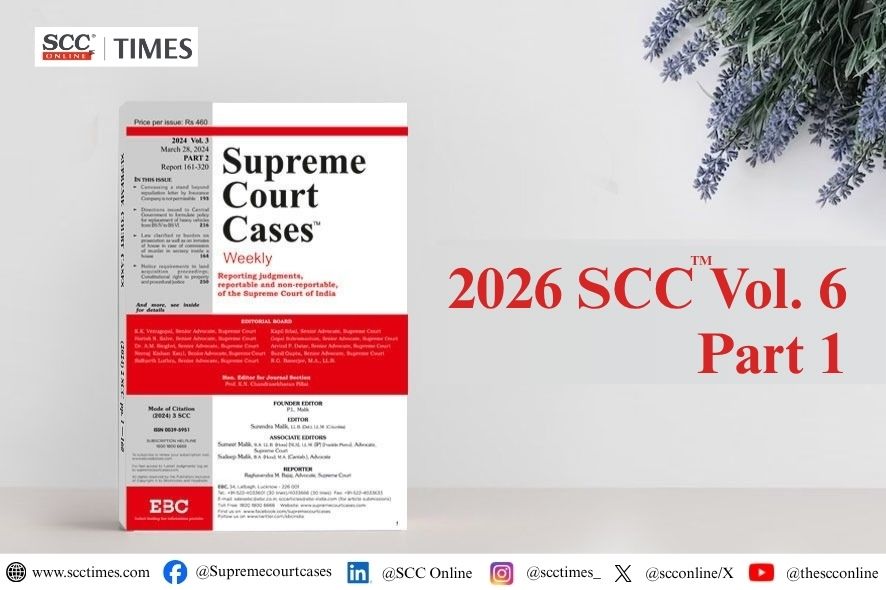
The Supreme Court has clarified the taxability of share sale under the India-Mauritius Double Taxation Avoidance Agreement. This clarification may impact cross-border transactions and require clients to revisit their tax planning strategies. The court's ruling in Union of India v. Rohith Nathan (2026) 6 SCC 1 has significant implications for income tax laws in India.
The court's decision is a landmark judgment that will have far-reaching consequences for taxpayers involved in share sales across borders. Lawyers should closely examine the ruling and its impact on their clients' tax planning strategies.
Relevant Legal/Regulatory Context
The Supreme Court's decision in Union of India v. Rohith Nathan (2026) 6 SCC 1 is part of a larger set of cases that have clarified various aspects of income tax laws in India. The court has also addressed issues related to the validity of Advance Rulings and the imposability of conditional appellate deposit under the Negotiable Instruments Act, 1881.
The Authority for Advance Rulings (AAR) has rejected several applications for Advance Ruling on the ground of maintainability, highlighting the importance of meeting the necessary criteria for such rulings. The court's decision in CIT v. Tiger Global International II Holdings (2026) 6 SCC 47 further emphasizes the need to establish resident status through means other than mere Tax Residency Certificates.
Why It Matters
The Supreme Court's clarification on taxability of share sale under the India-Mauritius Double Taxation Avoidance Agreement is a significant development for taxpayers involved in cross-border transactions. The ruling has far-reaching implications for income tax laws in India and may require clients to revisit their tax planning strategies.
Lawyers should closely examine the court's decision and its impact on their clients' tax planning strategies, as well as the broader implications for income tax laws in India.
Practical Implications
Lawyers should watch for the clarification on the taxability of share sale under the India-Mauritius Double Taxation Avoidance Agreement, which may impact cross-border transactions and require clients to revisit their tax planning strategies.
Source
How does this affect your business?
Get an AI analysis of this article grounded in your jurisdictions, practice areas, and any policy documents you've uploaded to Wansom.