
US Supreme Court Upholds Birthright Citizenship
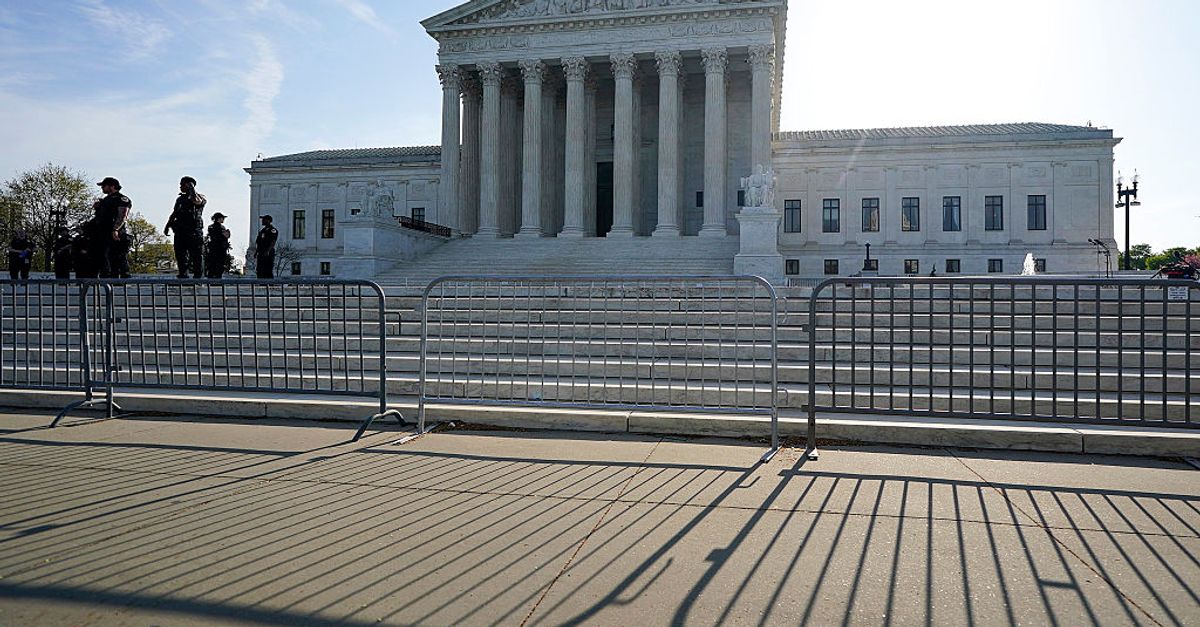
Abstract
The hypothetical Supreme Court decision in *Trump v. Barbara* has unequivocally affirmed the long-standing principle of birthright citizenship under the Fourteenth Amendment. The Court, in a 5-4 decision, struck down an executive order that sought to deny citizenship to children born in the United States to parents who are either temporary visitors or unlawfully present. The majority opinion, authored by Chief Justice Roberts, reiterated that birth within U.S. territory, coupled with subjection to U.S. sovereign authority, is sufficient to establish citizenship. While Justices Thomas, Alito, and Gorsuch dissented, advocating for a more stringent interpretation tied to parental allegiance, and Justice Kavanaugh offered a narrower concurring view, the ruling solidifies over a century of precedent, particularly *United States v. Wong Kim Ark*, ensuring that the principle of *jus soli* remains a cornerstone of American constitutional law.
Introduction
The recent (hypothetical) Supreme Court decision in *Trump v. Barbara* has brought the contentious issue of birthright citizenship to the forefront of American legal discourse, delivering a definitive affirmation of the principle enshrined in the Fourteenth Amendment. This landmark ruling, which saw the Court invalidate an executive order aimed at restricting birthright citizenship, underscores the enduring significance of constitutional interpretation in shaping national identity and immigration policy. For legal professionals, the decision provides crucial clarity on a fundamental aspect of U.S. citizenship law, while simultaneously exposing the deep ideological fissures within the judiciary regarding the scope of the Fourteenth Amendment's Citizenship Clause.
Background
The concept of birthright citizenship in the United States is rooted in the first sentence of the Fourteenth Amendment to the U.S. Constitution, ratified in 1868. This clause states: “All persons born or naturalized in the United States, and subject to the jurisdiction thereof, are citizens of the United States and of the State wherein they reside.” The Amendment was enacted in the aftermath of the Civil War, primarily to overturn the Supreme Court's infamous decision in *Dred Scott v. Sandford*, 60 U.S. 393 (1857), which had denied citizenship to African Americans. By establishing a national rule for citizenship, the framers intended to ensure that all individuals born on U.S. soil, regardless of race, were citizens.
Analysis
The core legal question in *Trump v. Barbara* revolved around the interpretation of the phrase “subject to the jurisdiction thereof” within the Fourteenth Amendment's Citizenship Clause. The Roberts majority, in a 5-4 decision, adopted a broad interpretation, holding that birth in the United States, coupled with subjection to U.S. sovereign authority, is sufficient to establish citizenship. This interpretation aligns with over a century of established precedent, most notably *United States v. Wong Kim Ark*, 169 U.S. 649 (1898). In *Wong Kim Ark*, the Supreme Court held that a child born in the United States to Chinese immigrant parents, who were ineligible for naturalization, was nonetheless a U.S. citizen by virtue of the Fourteenth Amendment. The *Wong Kim Ark* Court clarified that the exceptions to birthright citizenship are narrow, generally limited to children of foreign diplomats or invading forces, who are not fully subject to U.S. jurisdiction.
Conclusion
The Supreme Court's (hypothetical) decision in *Trump v. Barbara* serves as a powerful reaffirmation of birthright citizenship, solidifying a foundational principle of American law that has stood for over 150 years. For legal practitioners, the ruling provides a clear and unequivocal statement that attempts to restrict birthright citizenship through executive action are unconstitutional and contrary to established precedent. This decision will likely stem the tide of immediate challenges to the citizenship status of children born in the U.S. to non-citizen parents, offering a degree of stability in an otherwise volatile area of law. However, the sharp divisions within the Court, as evidenced by the robust dissents, suggest that the debate over the meaning of “subject to the jurisdiction thereof” may continue in other forms, potentially through legislative efforts to amend the Constitution or future judicial appointments. Attorneys should remain vigilant regarding any legislative proposals or state-level actions that seek to undermine this constitutional guarantee, as the underlying philosophical disagreements persist.
Citations
- 1.U.S. Const. amend. XIV, § 1
- 2.Dred Scott v. Sandford, 60 U.S. 393 (1857)
- 3.United States v. Wong Kim Ark, 169 U.S. 649 (1898)
How does this affect your business?
Get an AI analysis of this article grounded in your jurisdictions, practice areas, and any policy documents you've uploaded to Wansom.