
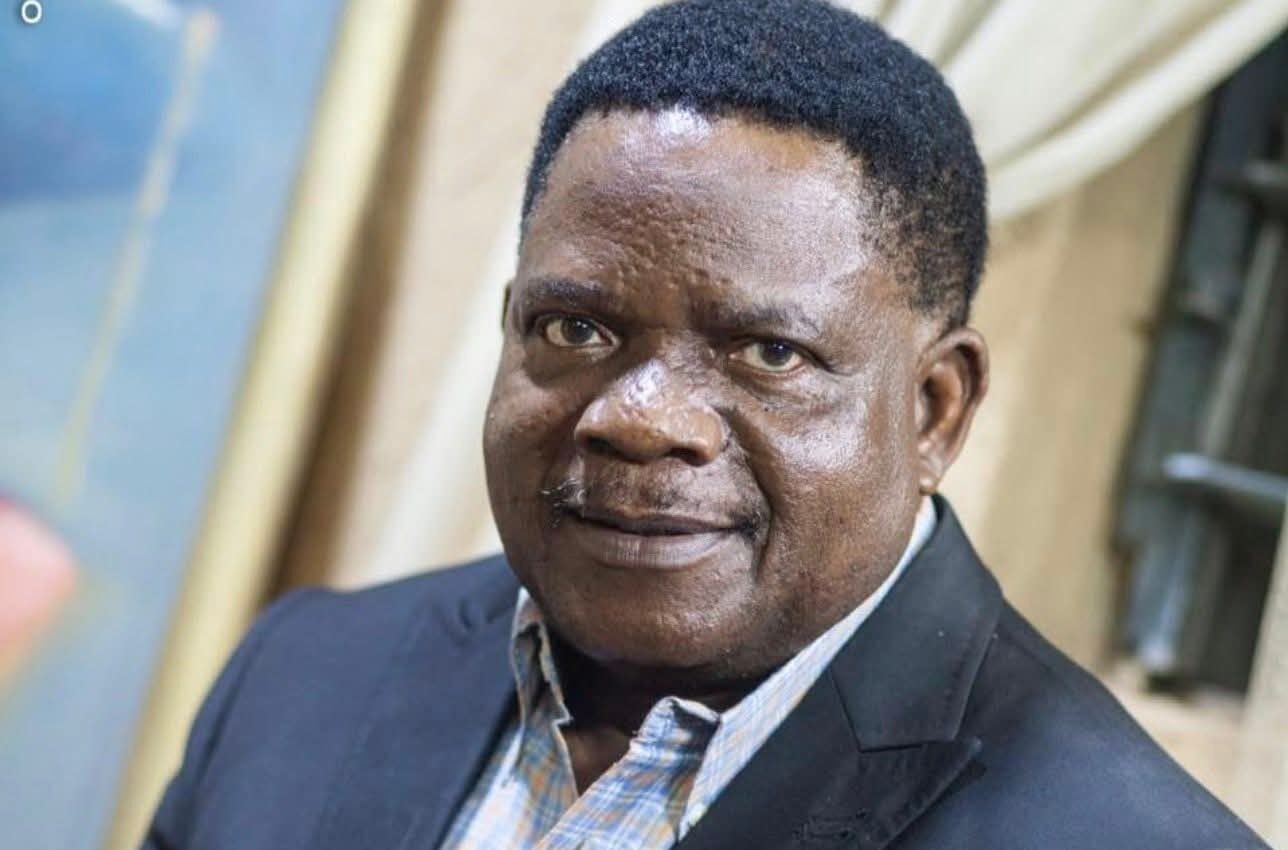
Veteran actor Kola Oyewo is dead
Abstract
The passing of veteran actor Kola Oyewo, a prominent figure in Nigerian cinema, underscores critical legal considerations for practitioners concerning the estates and intellectual property rights of deceased public figures and creatives. This article delves into the intricacies of succession law, probate administration, and the post-mortem management of intellectual property in Nigeria. It highlights the importance of comprehensive estate planning, including the drafting of wills and the specific provisions of the Copyright Act 2022, to ensure that the legacy and economic interests of artists are preserved and distributed according to their wishes, rather than solely by the default rules of intestacy or general administration of estates. Practitioners are urged to guide clients, particularly those in creative industries, on proactive measures to safeguard their legacies.
Introduction
This article aims to provide legal practitioners with a comprehensive overview of the key legal considerations arising from the death of a prominent creative in Nigeria. It will explore the statutory and common law principles governing the administration of estates, the devolution of property, and the continued protection and exploitation of intellectual property rights after an author's demise. By dissecting the relevant legal provisions and highlighting practical implications, the article seeks to equip attorneys with the knowledge to advise clients effectively on safeguarding their legacies and ensuring their wishes are honoured.
Background
The legal framework for intellectual property, particularly copyright, is enshrined in the Copyright Act 2022. This Act protects various categories of works, including literary, musical, artistic works, cinematograph films, and sound recordings. Crucially for creatives, the Act addresses the duration of copyright protection and the transmissibility of both economic and moral rights upon the author's death. Understanding the interplay between these estate administration and intellectual property laws is paramount for legal professionals advising artists and their families.
Analysis
The absence of specific statutory guidance on digital assets in Nigeria, unlike some other common law jurisdictions, presents another area of legal ambiguity. While the Copyright Act addresses digital forms of creative works, the broader spectrum of digital assets (e.g., social media accounts, online portfolios, digital currencies) requires careful consideration in estate planning. Practitioners must therefore adopt a holistic approach, encompassing traditional testamentary instruments and innovative solutions to address the evolving nature of artists' assets in the digital age. The use of trusts, for instance, can provide long-term management of archives and intellectual property, potentially reducing tax burdens and supporting heirs who may be unfamiliar with the art market.
Conclusion
Practitioners should emphasize the drafting of clear, legally sound wills that specifically address intellectual property, the appointment of knowledgeable executors (including potentially an 'artistic executor'), and the meticulous documentation of all creative works and associated rights. By doing so, legal professionals can play a pivotal role in ensuring that the legacies of Nigeria's artists are not only preserved but also continue to inspire and provide for future generations, in accordance with their creators' true intentions.
Citations
- 1.Wills Act 1837
- 2.Copyright Act 2022
- 3.Administration of Estate Law Cap A3 Laws of Lagos State, 2003
How does this affect your business?
Get an AI analysis of this article grounded in your jurisdictions, practice areas, and any policy documents you've uploaded to Wansom.