
Water expert urges binding GERD agreement after Nile levels fall in Sudan
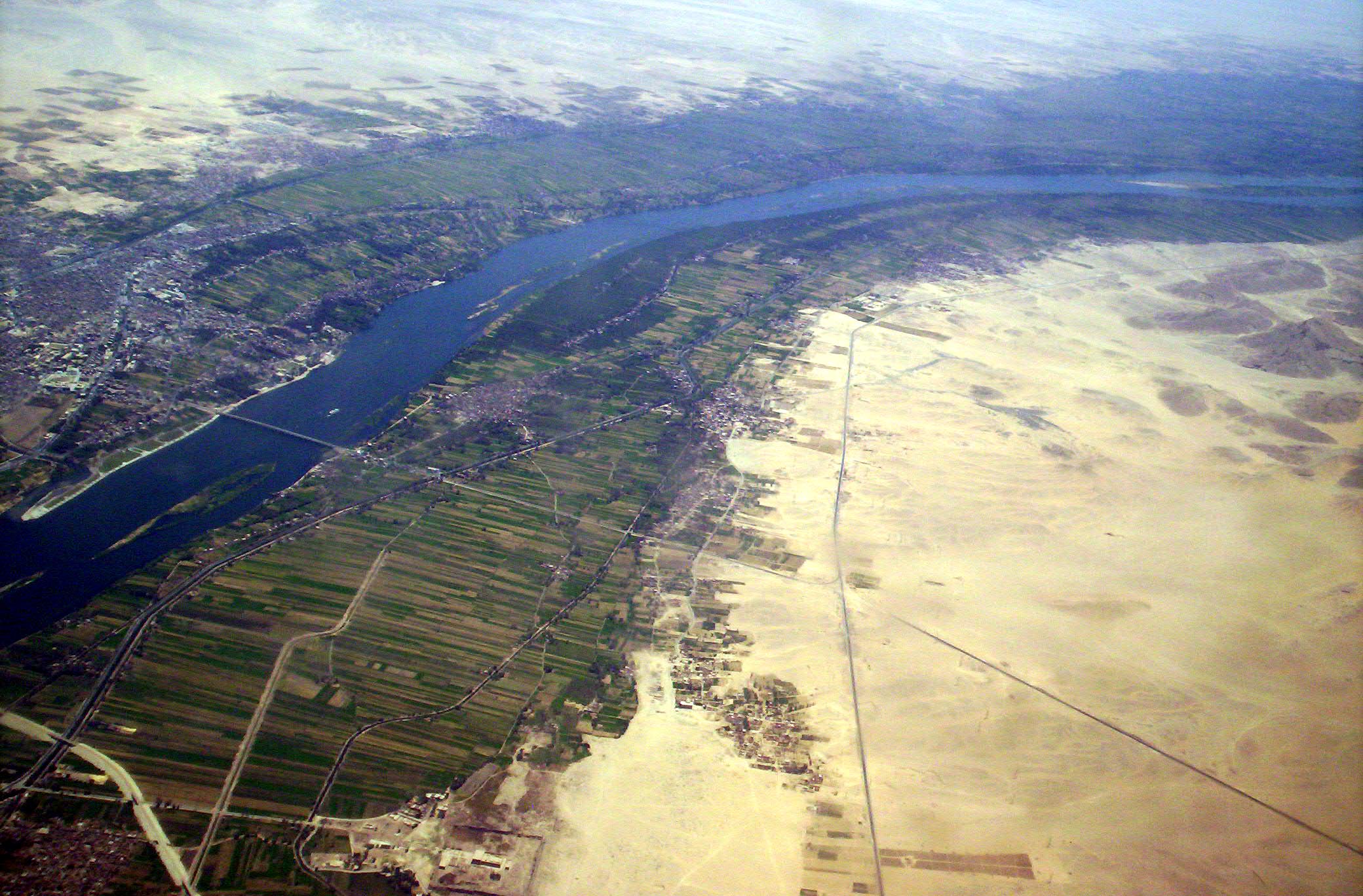
A regional water resources expert has called for a legally binding agreement on the operation of the Grand Ethiopian Renaissance Dam (GERD) after Nile levels fell in Sudan, warning that the lack of coordination between Ethiopia and Sudan risks repeated water shortages, flooding, and damage to vital infrastructure.
The call for a binding agreement is significant because it highlights the ongoing tensions between Egypt, Sudan, and Ethiopia over the GERD's operation. The dam, located on the Blue Nile River in Ethiopia, has been a source of contention among the three countries due to concerns about its impact on their water supplies. A legally binding agreement would provide much-needed clarity and stability for the region.
The relevant statutes and regulations involved in this matter include the 1929 Nile Waters Agreement between Egypt, Sudan, and the United Kingdom, as well as the 2015 Declaration of Principles signed by Egypt, Sudan, and Ethiopia. The GERD's operation is also subject to the principles of international water law, including the UN Convention on the Law of the Non-Navigational Uses of International Watercourses.
The key parties involved in this matter include the governments of Egypt, Sudan, and Ethiopia, as well as the African Union and other regional organizations. The expert's call for a binding agreement is likely to be taken seriously by these parties, who have been engaged in negotiations over the GERD's operation for several years.
Practitioners should monitor developments on this matter closely, particularly with regards to any potential changes to the existing agreements or regulations governing the GERD's operation. Attorneys and businesses involved in water resources management or international law may also want to consider how a binding agreement could impact their operations or clients.
How does this affect your business?
Get an AI analysis of this article grounded in your jurisdictions, practice areas, and any policy documents you've uploaded to Wansom.