
WFP: North Kordofan capital El Obeid new epicentre of Sudan’s hunger crisis
Abstract
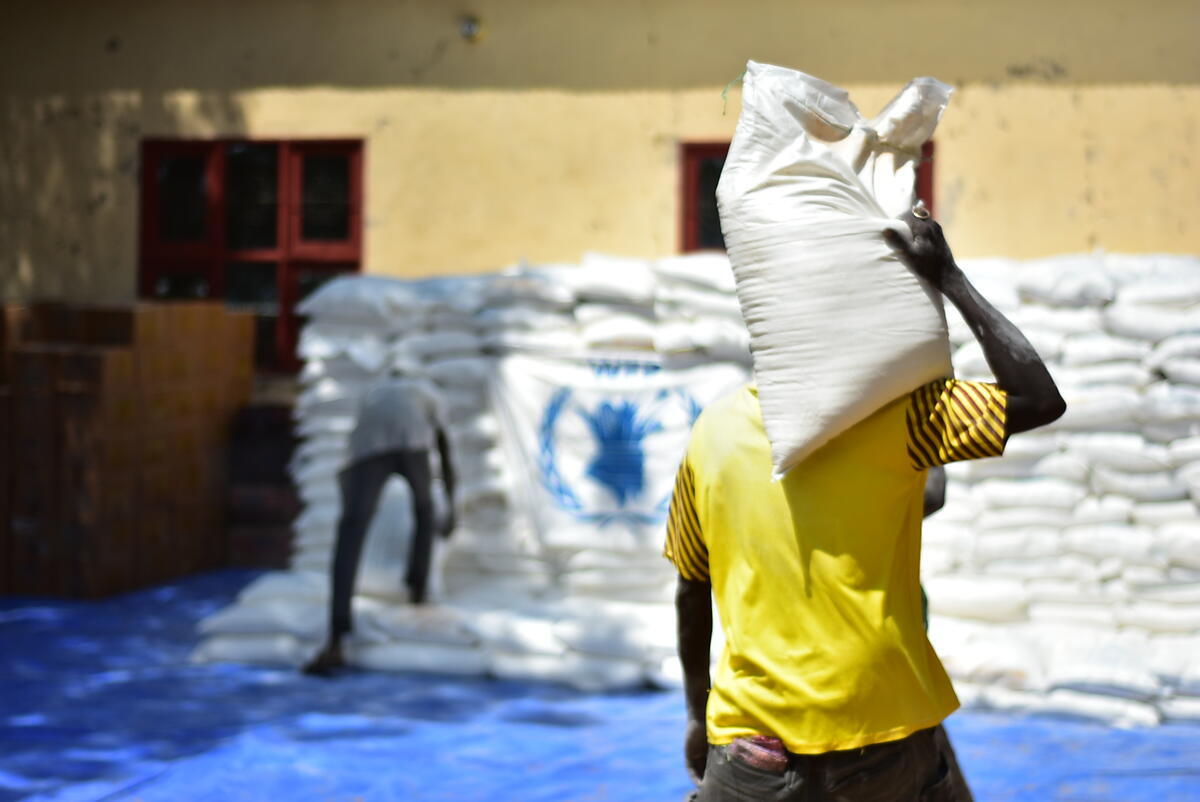
The UN World Food Programme (WFP) has issued a warning about the escalating hunger crisis in Sudan, specifically highlighting North Kordofan's capital El Obeid as a new epicentre of the issue. The WFP attributes this development to soaring displacement rates, dwindling aid supplies, and severe food shortages. The situation is further complicated by the ongoing conflict in the region, which has led to increased humanitarian needs. The WFP's warning underscores the urgent need for sustained support to address the hunger crisis in Sudan.
Introduction
The recent warning issued by the UN World Food Programme (WFP) regarding the escalating hunger crisis in Sudan is a stark reminder of the dire situation unfolding in the country. The WFP's assessment highlights El Obeid, the capital of North Kordofan, as a new hotspot for food insecurity. This development is particularly concerning given the already precarious humanitarian situation in the region. The WFP's warning underscores the need for immediate attention and sustained support to address the hunger crisis in Sudan.
Background
Sudan has been grappling with a severe hunger crisis for several years, exacerbated by ongoing conflict, displacement, and economic instability. The country's food security situation is further complicated by the impact of climate change, which has led to crop failures and reduced agricultural productivity. The WFP has been working tirelessly to provide humanitarian assistance to affected populations, but the scale of the crisis demands a more comprehensive response. The recent warning issued by the WFP highlights the urgent need for sustained support to address the hunger crisis in Sudan.
Analysis
The WFP's warning about El Obeid being a new epicentre of the hunger crisis in Sudan raises important questions about the effectiveness of current humanitarian responses. While the WFP has been working to provide aid to affected populations, the sheer scale of the crisis suggests that more needs to be done. The situation is further complicated by the ongoing conflict in the region, which has led to increased displacement and humanitarian needs. The WFP's warning underscores the need for a more comprehensive response to address the hunger crisis in Sudan, including sustained support for affected populations and efforts to address the root causes of food insecurity.
Conclusion
The recent warning issued by the WFP regarding the escalating hunger crisis in Sudan is a stark reminder of the urgent need for sustained support to address this critical issue. Practitioners should be aware of the situation unfolding in El Obeid and the broader North Kordofan region, and consider how they can contribute to addressing the humanitarian needs of affected populations. The WFP's warning serves as a call to action, highlighting the importance of immediate attention and sustained support to address the hunger crisis in Sudan.
How does this affect your business?
Get an AI analysis of this article grounded in your jurisdictions, practice areas, and any policy documents you've uploaded to Wansom.