
US Humpback Whale Supergroups Rebound After Whaling Ban
Summary
- A record-breaking group of nearly 300 humpback whales was spotted off South Africa's coast, indicating a strong recovery from whaling.
- The international whaling ban has been credited with this conservation success story, but not all whale species have benefited equally.
- New threats to marine life include increased shipping and the potential impact of the Middle East conflict on global trade.
Whale 'Supergroups' Rebound After Whaling Ban
In general, the moratorium on whaling can be classified as one of the strongest conservation success stories in the marine environment
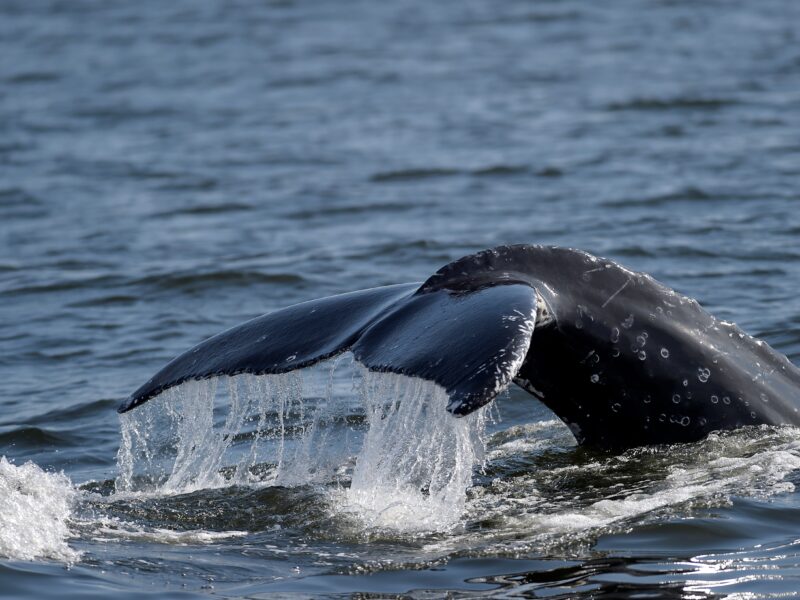
A rare sighting off the coast of South Africa has provided evidence of the remarkable recovery of humpback whales in the southern hemisphere. In December, a couple witnessed nearly 300 humpback whales gathering together in what is known as a supergroup. This phenomenon, where multiple whales feed and socialize together, was thought to be extinct until recent sightings around 2012. The group documented by Chris and Monique Fallows appears to be the largest recorded so far, with each whale identified through photographs of their unique tail flukes.
Legal Context: International Whaling Commission and Conservation Efforts
The recovery of humpback whales is largely attributed to the international whaling ban that came into effect in 1986. The moratorium on commercial whaling has been hailed as one of the strongest conservation success stories in the marine environment. However, not all whale species have fared equally well. The World Wildlife Fund notes that while humpbacks have seen a significant comeback, other species remain threatened by entanglement, ship collisions, and climate change. Six out of the 13 great whale species are classified as endangered or vulnerable.
Why It Matters: Shipping Impacts and Middle East Conflict
As humpback whales continue to thrive in the southern hemisphere, new threats emerge. A recent study co-authored by Els Vermeulen highlights the quadrupling of shipping around the southern point of Africa, which poses a significant risk to marine life. The conflict in the Middle East may exacerbate this issue, leading to further disruptions in global trade and potentially harming whales. Lawyers and compliance officers should be aware of these risks and consider the potential consequences for humpback whale populations.
Practical Implications
Lawyers and compliance officers should be aware of the potential risks to humpback whales from increased shipping in the region, particularly given the conflict in the Middle East, which may lead to further disruptions in global trade and potentially harm marine life.
Source
Source: Original reporting via AP
How does this affect your business?
Get an AI analysis of this article grounded in your jurisdictions, practice areas, and any policy documents you've uploaded to Wansom.