
What to Know About the Skol–Rwanda Premier League Rwf 1 Billion Sponsorship Deal
Abstract
The recent three-year, Rwf 1 billion sponsorship agreement between Skol Brewery Ltd and the Rwanda Premier League (now the BK Pro League) represents a significant commercial development in Rwandan sports. This article examines the multifaceted legal implications of this landmark deal for legal practitioners. It delves into the contractual framework under Law No. 45/2011 governing contracts, highlighting key considerations such as duration, performance obligations, and dispute resolution. Furthermore, it explores the intellectual property aspects, particularly trademark licensing and image rights, governed by Law No. 055/2024. The article also addresses potential competition law concerns under Law No. 011/2026, especially regarding exclusivity clauses, and outlines relevant tax implications for both parties under Law No. 027/2022. Understanding these legal dimensions is crucial for advising stakeholders in Rwanda's burgeoning sports economy.
Introduction
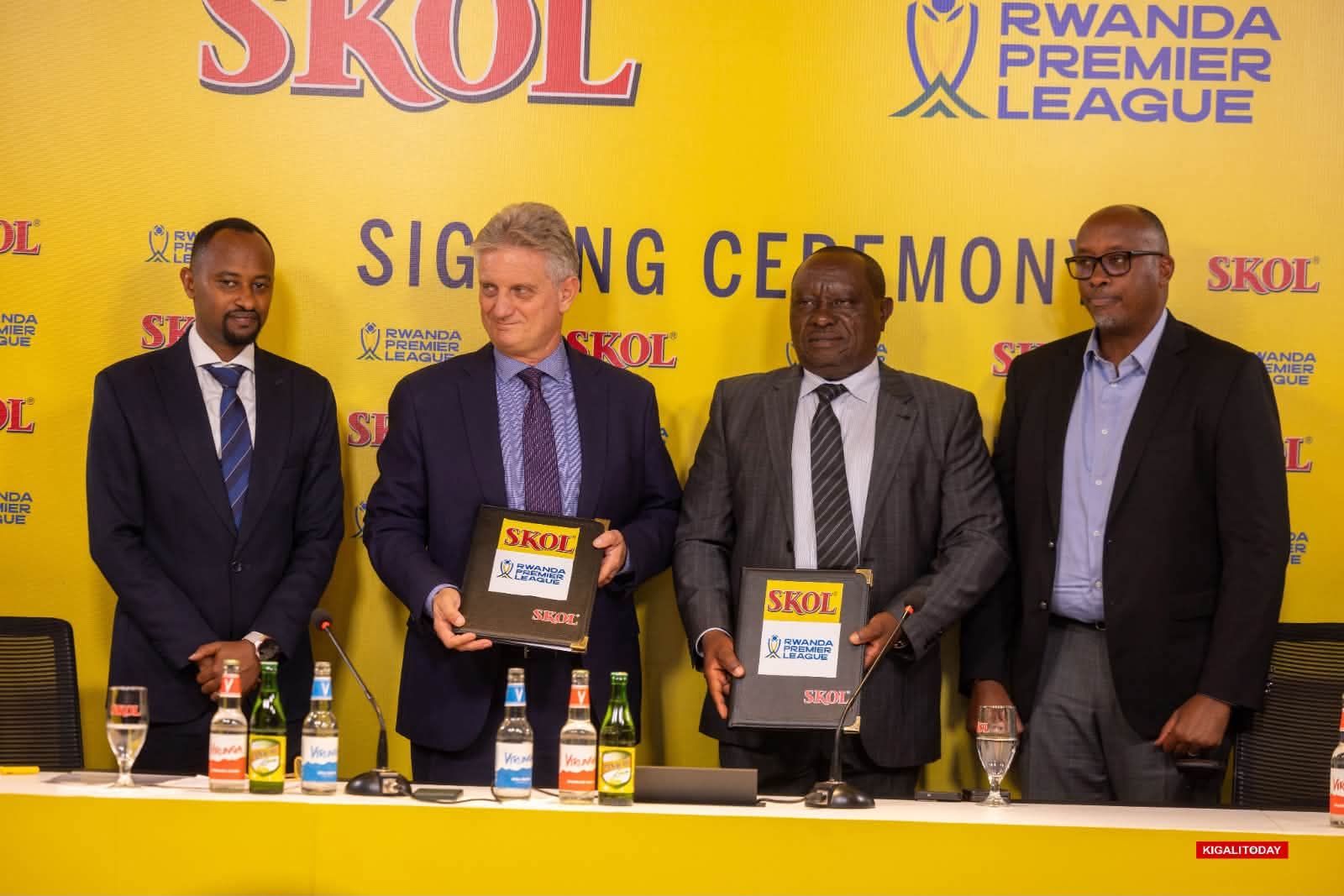
Rwanda's sports landscape has witnessed a notable commercial uplift with the recent announcement of a three-year sponsorship agreement between Skol Brewery Ltd and the Rwanda Premier League, a partnership valued at over Rwf 1 billion. This deal, which designates Skol as the Official Beer Partner of the league (now known as the BK Pro League following another significant sponsorship), underscores a growing trend of corporate investment in Rwandan football. Signed on June 30, 2026, the agreement is set to inject approximately Rwf 305 million annually into the league, aiming to enhance both its financial stability and fan engagement.
For legal professionals, this development presents a rich tapestry of legal considerations spanning various domains. Beyond the commercial fanfare, such a high-value, long-term agreement necessitates a rigorous examination of its underlying contractual provisions, intellectual property rights, compliance with competition regulations, and tax implications. This article provides a comprehensive overview of these critical legal aspects, offering insights for attorneys advising sports organizations, corporate sponsors, and individual athletes within Rwanda's evolving sports industry. It aims to dissect the legal framework governing such commercial partnerships, ensuring practitioners are well-equipped to navigate similar transactions.
Background
Commercial contracts in Rwanda are primarily governed by Law No. 45/2011 of 25 November 2011 governing contracts. This foundational legislation establishes the essential elements for a valid contract, including offer, acceptance, free consent, legal capacity of the parties, and a lawful object. It also enshrines the principle of freedom of contract, allowing parties considerable autonomy in defining their terms, subject to public policy and mandatory legal provisions. Remedies for breach of contract, such as specific performance, termination, or damages, are also provided for under this law.
The sports sector in Rwanda, particularly professional football, operates under the regulatory oversight of bodies like the Rwanda Football Federation (FERWAFA), which governs the commercial rights and activities of the league and its clubs. The government, through the Ministry of Sports, has expressed a strategic vision to commercialize sports as a significant economic driver, emphasizing the need for a supportive policy framework that ensures transparency, protects athletes, and regulates commercialization. This broader policy objective provides the context for large-scale sponsorship deals like the Skol agreement, which are instrumental in professionalizing the sport and attracting further investment.
Intellectual property rights are crucial in sports sponsorship, protecting brands, logos, and associated commercial assets. Rwanda's intellectual property regime was significantly updated by Law No. 055/2024 of 20 June 2024 on the Protection of Intellectual Property, which came into force on July 31, 2024, replacing the earlier Law No. 31/2009. This new law modernizes the framework for trademarks, copyrights, and industrial designs, aligning Rwanda's IP regime with international standards. It specifically protects distinctive signs used in trade, which is directly relevant to brand sponsorship and licensing.
Analysis
The Skol-Rwanda Premier League sponsorship agreement, a three-year deal worth over Rwf 1 billion, presents several key legal areas for analysis. Contractually, the agreement falls under the purview of Law No. 45/2011 governing contracts. Practitioners must scrutinize the specific terms, including the duration (2026/2027, 2027/2028, and 2028/2029 seasons), the annual investment of approximately Rwf 305 million, and the performance incentives, such as the Rwf 1 million bonus for each match victory. Critical clauses would include those related to performance obligations, termination conditions, force majeure, and dispute resolution mechanisms, which typically favor arbitration in commercial agreements to ensure efficient resolution.
Intellectual property considerations are paramount. As the "Official Beer Partner," Skol acquires specific rights to use the league's trademarks, logos, and potentially player image rights for promotional purposes. This involves careful licensing agreements governed by Law No. 055/2024 on the Protection of Intellectual Property. The league, in turn, must ensure it possesses the necessary rights to grant such licenses, particularly concerning collective image rights of clubs and players. While copyright protection is automatic upon creation, trademark registration is crucial for enforcing exclusive rights and preventing infringement, especially given the visibility of such a high-profile sponsorship.
Competition law, primarily regulated by Law No. 011/2026 governing competition and consumer protection, is another vital aspect. The deal grants Skol exclusive rights to sell its beverages at league match venues, which could raise questions under competition law regarding potential market dominance or restrictive practices. While exclusive arrangements are not inherently illegal, the Regulatory Authority is empowered to investigate activities that may harm competition or lead to anti-competitive trade practices. Legal counsel would need to assess whether the exclusivity clause unduly restricts market access for competitors or harms consumer choice, ensuring compliance with the updated competition framework.
Tax implications for both Skol and the Rwanda Premier League are significant. Under Law No. 027/2022 establishing taxes on income, the sponsorship income received by the league and its clubs would be subject to corporate income tax. Conversely, Skol's annual investment would typically be deductible as a business expense, subject to compliance with tax regulations. Additionally, any performance incentives paid to clubs or individuals may have employment income tax implications for players and staff, governed by the progressive tax rates outlined in the same law. Proper tax planning and compliance are essential to maximize the benefits of the sponsorship while adhering to Rwandan fiscal laws.
Furthermore, regulatory compliance extends to advertising standards, particularly for alcoholic beverages. The Rwanda Utilities Regulatory Authority (RURA) may have specific guidelines that Skol must adhere to in its promotional activities associated with the league. The partnership's emphasis on fan engagement and stadium activations means that all marketing efforts must align with national advertising codes and responsible consumption messaging, preventing any actions that could be deemed misleading or harmful. This multi-layered regulatory environment necessitates careful legal oversight throughout the duration of the sponsorship.
Conclusion
The Skol-Rwanda Premier League sponsorship deal marks a pivotal moment for sports commercialization in Rwanda, providing a blueprint for future corporate-sports partnerships. For legal practitioners, this agreement underscores the critical importance of a holistic approach to commercial transactions in the sports sector. Expertise in contract drafting and negotiation, intellectual property protection, competition law compliance, and tax advisory is indispensable to ensure such deals are robust, enforceable, and mutually beneficial.
Practitioners should pay close attention to the evolving regulatory landscape in Rwanda, particularly the recent updates to intellectual property and competition laws, which aim to modernize and strengthen the legal framework. As the Rwandan sports economy continues to grow, the demand for specialized legal services in sports law will undoubtedly increase. Proactive legal counsel will be vital in structuring agreements that not only drive commercial success but also uphold legal integrity and foster sustainable development within the sports industry. Monitoring the implementation and any potential challenges arising from this landmark Skol deal will offer valuable precedents and insights for future engagements in this dynamic sector.
Citations
- 1.Law No. 45/2011 of 25 November 2011 governing contracts
- 2.Law No. 055/2024 of 20 June 2024 on the Protection of Intellectual Property
- 3.Law No. 011/2026 of February 26, 2026, governing competition and consumer protection
- 4.Law No. 027/2022 of 20 October 2022 establishing taxes on income
- 5.IGIHE, SKOL Brewery Ltd, Rwanda Premier League announce three-season partnership for the BK Pro League, July 1, 2026
- 6.KT Press Rwanda, What to Know About the Skol–Rwanda Premier League Rwf 1 Billion Sponsorship Deal, June 30, 2026
- 7.LexHub, UNDERSTANDING CONTRACT LAW IN RWANDA, March 11, 2026
- 8.Chambers and Partners, Commercial Contracts 2025 - Rwanda | Global Practice Guides, November 5, 2025
- 9.Scribd, Summary of Rwanda Contract, July 24, 2024
- 10.Law Gratis, Civil Laws at Rwanda, April 2, 2025
- 11.Kigali (Rwanda), Understanding Commercial Contracts
- 12.Brill Reference Works, Rwanda - Obligations & Torts
- 13.Abayo & Co. Advocates, The Basic Elements of a Written Contract In Rwanda, April 20, 2021
- 14.Law Gratis, Entertainment Law at Rwanda, March 14, 2025
- 15.WIPO Lex, Law No. 31/2009 of 26/10/2009 on the Protection of Intellectual Property, Rwanda, December 14, 2009
- 16.CERTA Law, Contracts Legal Services
- 17.Lawzana, The 10 best Sports Law Lawyers in Rwanda (2026)
- 18.ENS Africa, Key changes introduced by Rwanda's new Intellectual Property law, September 3, 2024
- 19.International Trade Administration, Rwanda - Protecting Intellectual Property, March 18, 2026
- 20.Spoor & Fisher, Rwanda New IP Legislation, August 16, 2024
- 21.Rwanda Today - Uganda | Monitor, Sports sector urged to use intellectual rights to innovate, May 6, 2019
- 22.Rwanda Development Board, The Intellectual Property law n0 31/2009 of 26/10/2009
- 23.Minijust, Igazeti ya Leta ya Repubulika y'u Rwanda Official Gazette of the Republic of Rwanda Journal Officiel de la République du Rw, July 1, 2005
- 24.KT Press Rwanda, Rwanda's 2026 Competition and Consumer Protection Law: What Businesses and Consumers Need to Know, March 20, 2026
- 25.Minicom, COMPETITION AND CONSUMER PROTECTION POLICY
- 26.Umunota, Rwanda enacts new law to strengthen market competition and protect consumers, March 13, 2026
- 27.Contractor Taxation, Tax In Rwanda
- 28.ENS Africa, What you should know about Rwanda's new income tax law, November 1, 2022
- 29.Greenback Expat Tax Services, Rwanda Income Tax Guide 2026: PAYE Brackets, Pension, and Take-Home Pay
- 30.Amilex Chambers, Ten Spots in the Rwanda Income Tax Law 2022, October 30, 2022
- 31.Scribd, Rwanda Contract Law Overview 2011, November 25, 2011
- 32.Minecofin, ITEGEKO/LAW/LOI ITEGEKO N° 45/2011 RYO KUWA 25/11/2011 RIGENGA AMASEZERANO LAW N° 45/2011 OF 25/11/2011 GOVERNING CONTRACTS L, January 23, 2012
- 33.Rwanda Inspectorate, Competition and Consumer Protection Authority, Ibirimo/ Summary/ Sommaire page/ urup, March 4, 2026
- 34.Rwanda Governance Board, Ibirimo/Summary/Sommaire page/urup, July 19, 2024
- 35.Rwanda Today, Unlocking Rwanda's Sports Potential: An Achievable Vision for the 21st Century, January 7, 2025