
What we do differently to have 24/7 power in Abia – Gov Otti
Abstract
Abia State, Nigeria, is making significant strides towards achieving 24/7 electricity supply in Aba and surrounding areas, leveraging the transformative provisions of the Electricity Act 2023. Governor Alex Otti's announcement highlights the operationalization of an 'island' power system, effectively ring-fenced from the national grid. This development is rooted in the decentralization of electricity regulation, which empowers states to generate, transmit, and distribute power within their territories. The Aba Integrated Power Project, spearheaded by Geometric Power, exemplifies this new legal landscape, presenting a model for sub-national electricity markets and attracting substantial private investment, while also raising questions about the evolving federal-state regulatory dynamics.
Introduction
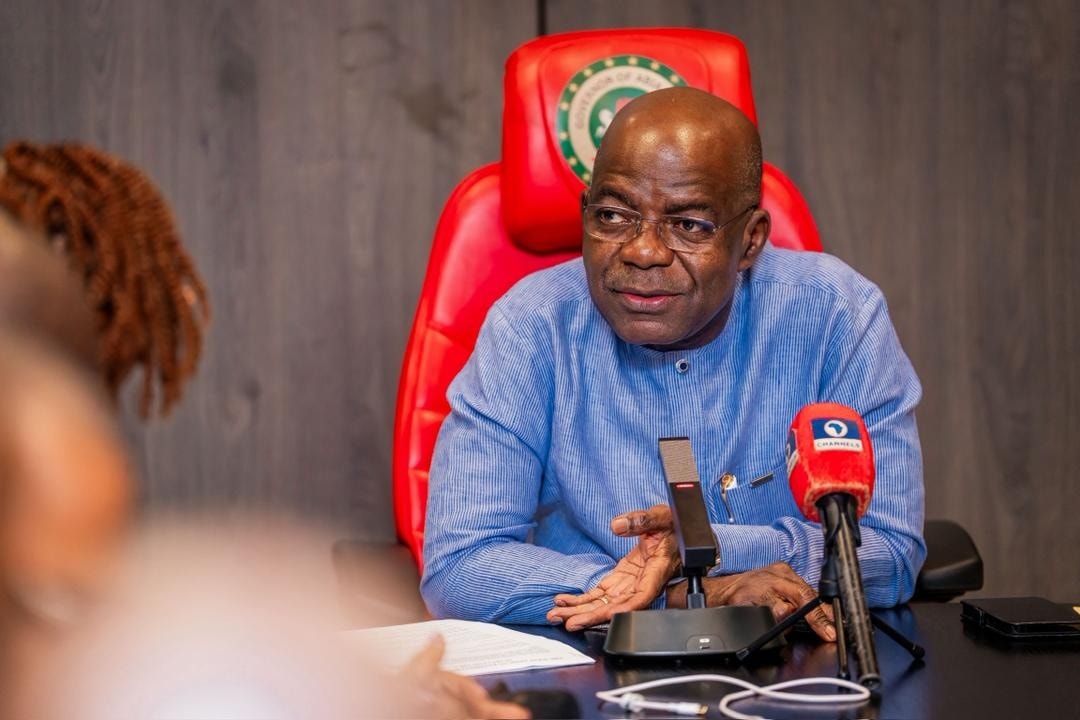
Abia State Governor, Alex Otti, recently announced a significant milestone in Nigeria's power sector, stating that Aba and eight surrounding local government areas now enjoy 24-hour electricity, operating "literally out of the national grid." This declaration underscores a pivotal shift in Nigeria's electricity landscape, moving away from a historically centralized system towards a more decentralized model. The achievement in Abia is a direct consequence of recent legislative reforms, particularly the Electricity Act 2023, which has empowered states to take greater control over their electricity markets.
This development holds profound implications for economic growth and industrialization in Abia State, particularly for Aba, a major commercial and industrial hub often referred to as the 'Taiwan of Africa'. For legal practitioners, Governor Otti's statement signals the practical application of a new legal framework that redefines the roles of federal and state governments, as well as private sector participants, in the generation, transmission, and distribution of electricity. The successful implementation of such an 'island' power system necessitates a deep understanding of the Electricity Act 2023, state-specific electricity laws, and the intricate regulatory environment governing these emerging sub-national markets.
This article will delve into the legal underpinnings of Abia State's power initiative, examining the statutory and regulatory framework that enables states to establish independent electricity markets. It will analyze the role of the Electricity Act 2023 in decentralizing power, discuss the specific case of the Aba Integrated Power Project, and consider the broader implications for legal practice and investment in Nigeria's evolving electricity sector.
Background
Historically, electricity generation, transmission, and distribution in Nigeria were predominantly federal matters, with the 1999 Constitution limiting states' legislative powers to areas not covered by the national grid system. This centralized control, largely exercised through the now-unbundled National Electric Power Authority (NEPA) and its successor, the Power Holding Company of Nigeria (PHCN), often led to inefficiencies and an unreliable power supply across the nation. The Electric Power Sector Reform Act (EPSRA) of 2005 established the Nigerian Electricity Regulatory Commission (NERC) as the apex regulator, tasked with licensing, tariff setting, and overseeing the privatized electricity market.
The landscape underwent a significant transformation with the Fifth Alteration to the 1999 Constitution and the subsequent enactment of the Electricity Act 2023. This landmark legislation removed electricity from the Exclusive Legislative List, empowering states to generate, transmit, distribute, and regulate electricity within their own territories, including areas previously covered by the national grid. This decentralization aims to foster competition, attract private investment, and improve service delivery by bringing regulatory oversight closer to consumers. As of mid-2026, NERC has formally transferred regulatory oversight to 15 states, with more in transition, signifying a substantial shift in the regulatory paradigm.
Abia State has embraced this new framework by enacting its own Abia State Electricity Law 2025 and establishing the Abia State Electricity Regulatory Authority (ASERA). This state-level regulatory body is now responsible for overseeing intrastate electricity operations, including consumer complaints, metering, and service quality. The ability of states to create "ring-fenced" areas, essentially operating independently or semi-independently from the national grid, is a critical aspect of this decentralization, allowing for localized solutions to power challenges.
Analysis
The operationalization of an "island" power system in Aba, as described by Governor Otti, is a testament to the enabling provisions of the Electricity Act 2023 and the proactive steps taken by the Abia State Government. The core legal mechanism facilitating this is the state's newfound constitutional power to legislate on electricity matters within its boundaries, irrespective of national grid coverage. This allows for the establishment of sub-national electricity markets, complete with state-specific regulatory frameworks and licensing regimes, as seen with the Abia State Electricity Law 2025 and ASERA.
The Aba Integrated Power Project (Aba IPP), developed by Geometric Power, serves as a prime example of this model. Geometric Power holds exclusive rights to supply power to the Aba Ring Fenced Area, encompassing nine local government areas. This project is unique as a fully integrated generation and distribution utility, comprising a 141 MW gas-fired power plant, a dedicated gas pipeline, and an extensive distribution network. NERC had previously licensed Geometric Power Aba Limited (GPAL) for generation and APL Electric Company Limited (APLE) for distribution within this ring-fenced area, even before the full decentralization brought by the 2023 Act, demonstrating a long-standing intent for localized power solutions.
While NERC retains its role as the apex regulator for interstate transactions and connections to the national grid, its regulatory oversight for intrastate operations has been formally transferred to states like Abia. This necessitates close collaboration between NERC and state regulators like ASERA to ensure coordinated oversight and consistent regulatory standards. The concept of "ring-fencing" implies a degree of operational and financial independence from the broader national grid system, allowing the Aba IPP to manage its generation, transmission (within its network), and distribution, as well as tariff setting, under the purview of the state regulator. This autonomy is crucial for attracting the significant private capital required for such large-scale infrastructure projects.
However, the decentralization is not without its complexities and potential for legal friction. There are ongoing debates and proposed amendments to the Electricity Act 2023, with state regulators expressing concerns about attempts by the National Assembly to reassert federal control over matters already devolved to states. Issues such as the supremacy of state laws, federal control over activities linked to the national grid, and NERC's appellate jurisdiction over state regulators remain contentious. Legal practitioners must therefore navigate this evolving landscape, advising clients on the interplay between federal and state electricity laws, licensing requirements, and dispute resolution mechanisms within a multi-tiered regulatory environment.
Conclusion
Abia State's success in establishing a 24/7 power supply in Aba through a ring-fenced system marks a significant turning point in Nigeria's electricity sector, embodying the spirit of decentralization championed by the Electricity Act 2023. This achievement demonstrates the potential for states to drive economic development and improve living standards by taking direct responsibility for their power infrastructure and regulatory frameworks. The Aba Integrated Power Project stands as a blueprint for other states seeking to attract private investment and develop robust, localized electricity markets.
For legal practitioners, this evolving landscape presents both opportunities and challenges. It necessitates a nuanced understanding of the Electricity Act 2023, state-specific electricity laws, and the intricate relationship between federal and state regulatory bodies. Advising clients on licensing, project financing, regulatory compliance, and potential disputes in this multi-jurisdictional environment will require specialized expertise. Practitioners should closely monitor ongoing legislative debates and NERC's pronouncements to stay abreast of changes that could impact the balance of power between federal and state authorities, ensuring that the gains of decentralization are sustained and expanded across Nigeria.
Citations
- 1.Electricity Act 2023
- 2.Constitution of the Federal Republic of Nigeria 1999 (as amended)
- 3.Electric Power Sector Reform Act 2005
- 4.Abia State Electricity Law 2025
- 5.Nigerian Electricity Regulatory Commission (NERC) Regulations for the Application for Licence (Generation, Transmission, System Operations, Distribution & Trading) 2010
How does this affect your business?
Get an AI analysis of this article grounded in your jurisdictions, practice areas, and any policy documents you've uploaded to Wansom.