
Where is Lichuma? Rights group gives police 24 hours to produce detained activist
Briefly Analysis
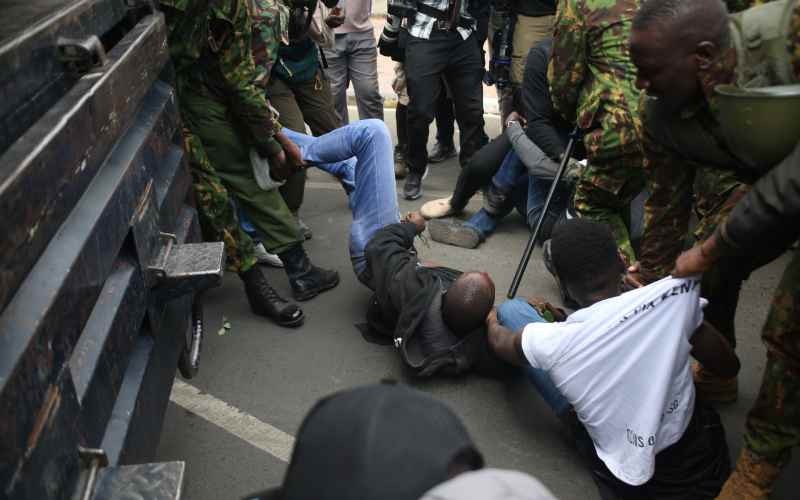
The demand by the Social Justice Centres Working Group (SJCWG) for the National Police Service to produce activist Davis Lichuma highlights a recurring and contentious issue regarding the protection of fundamental human rights and the limits of police power in Kenya. The SJCWG’s ultimatum, issued to the Inspector General of Police, invokes the constitutional protections enshrined in Article 29 of the Constitution of Kenya, which guarantees the right to freedom and security of the person, including the right not to be subjected to enforced disappearance or arbitrary detention. This situation brings into sharp focus the procedural requirements for lawful arrest and detention, specifically the obligation of the police to present suspects before a court of law within 24 hours as mandated by Article 49 of the Constitution.
For legal practitioners, this case serves as a stark reminder of the necessity of habeas corpus applications when state authorities fail to disclose the whereabouts of detained individuals. The legal framework governing such matters is robust, yet its efficacy relies heavily on the judiciary’s willingness to enforce compliance against the executive branch. Attorneys specializing in human rights law must be prepared to utilize the High Court’s supervisory jurisdiction to compel the state to account for individuals in their custody. The failure of the police to adhere to these constitutional safeguards not only undermines the rule of law but also exposes the state to significant civil liability for unlawful detention and potential constitutional petitions for damages.
Practitioners and civil society organizations should closely monitor the response of the National Police Service and the subsequent judicial interventions, if any, in this matter. The case underscores the importance of maintaining rigorous documentation of arrests and ensuring that the rights of detainees are protected from the moment of apprehension. For legal professionals, the takeaway is the critical need for proactive litigation strategies that challenge extra-legal detention practices. Businesses and individuals should also be aware of the legal avenues available to them should they or their associates face similar circumstances, emphasizing the role of the judiciary as the ultimate arbiter in protecting citizens from the overreach of law enforcement agencies.