
Witness questions crash official announcement
Abstract
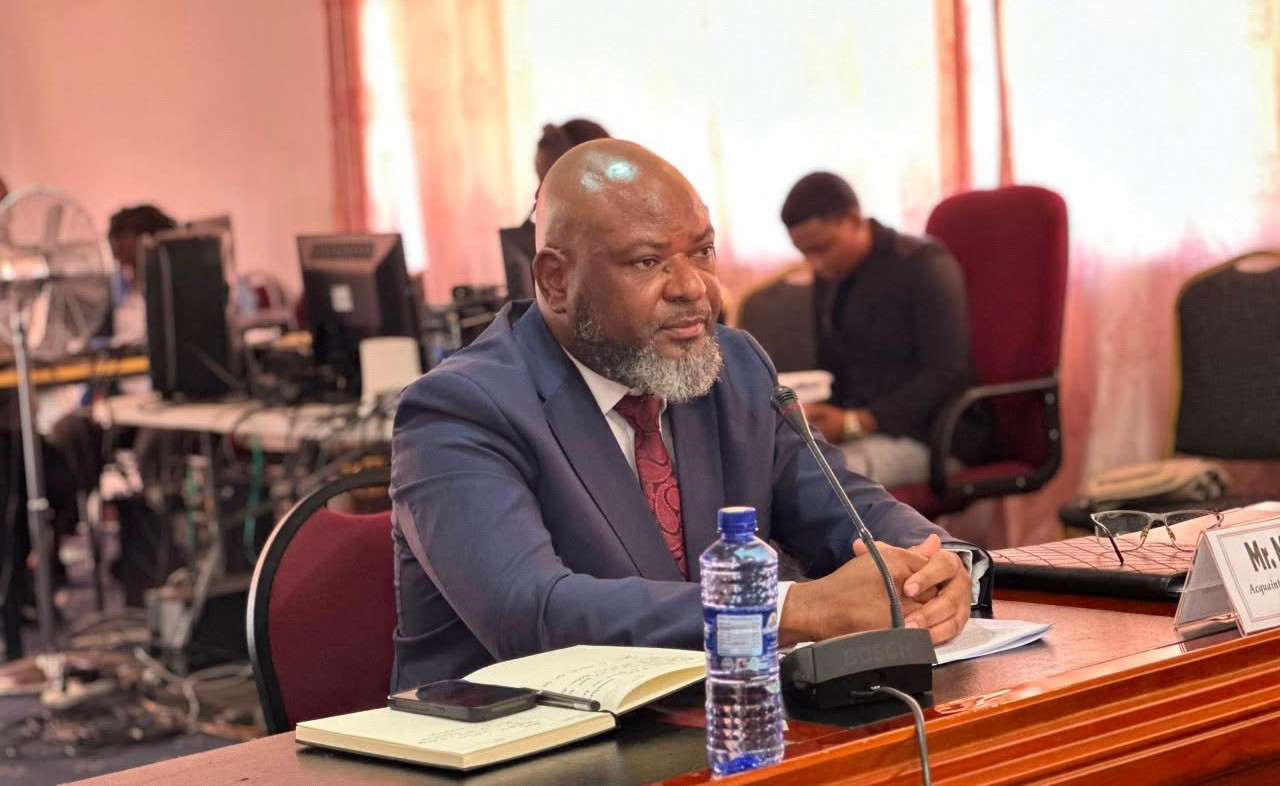
A recent testimony before Malawi's Parliamentary Ad Hoc Committee investigating the Vice-President's plane crash has introduced a significant discrepancy in the official timeline of events. A witness, Moses Nthakomwa, stated he received condolences about the Vice-President's death at 8:19 PM on June 10, 2024, hours before the public announcement. This testimony challenges the integrity of official communications and raises critical questions regarding governmental transparency, accountability, and the reliability of information disseminated during high-profile national incidents. The development underscores the vital role of parliamentary oversight in scrutinizing state actions and ensuring public trust in governance.
Introduction
The tragic plane crash on June 10, 2024, claiming the lives of Malawi's Vice-President and eight others, has been a matter of intense national scrutiny. While various investigations have sought to ascertain the circumstances of the disaster, a recent testimony before the Parliamentary Ad Hoc Committee has introduced a profound challenge to the official narrative. Moses Nthakomwa, an acquaintance of the late Vice-President, informed the committee that he received a condolence call from retired Major General John Msonthi Jnr. at 8:19 PM on the day of the crash, conveying news of the Vice-President's death. This timing significantly predates the widely reported official announcement, casting a shadow of doubt over the transparency and accuracy of information released by state organs.
This discrepancy is not merely a matter of conflicting timelines; it strikes at the heart of public confidence in state institutions and the government's commitment to accountability. In a nation where constitutional principles emphasize open and transparent governance, such revelations demand rigorous legal and political examination. This article will delve into the legal frameworks governing official announcements, parliamentary inquiries, and public accountability in Malawi, analyzing the implications of this witness testimony for the ongoing investigation and the broader principles of good governance.
Background
Malawi's constitutional framework places a strong emphasis on public trust, accountability, and transparency. Section 13(o) of the Constitution of the Republic of Malawi obliges the State to introduce measures that guarantee accountability, transparency, personal integrity, and financial probity to strengthen confidence in public institutions. Furthermore, Article 37 explicitly grants every person the right of access to all information held by the State or any of its organs, insofar as such information is required for the exercise of their rights. These provisions underpin the expectation that official communications, especially concerning matters of national significance, should be timely, accurate, and truthful.
In the aftermath of incidents involving public officials, several legal instruments may be invoked. The Commissions of Inquiry Act (Cap. 18:01 of the Laws of Malawi) empowers the President to establish commissions to inquire into matters of public welfare, granting them powers akin to the High Court to summon witnesses and compel the production of documents. Similarly, the Inquests Act mandates the State to conduct inquests into suspicious or unnatural deaths, ensuring a formal judicial inquiry into the cause of death. The National Assembly (Powers and Privileges) Act [Cap 2:04 of Laws of Malawi] and the Standing Orders of Parliament provide the legal basis for parliamentary committees, including ad hoc committees, to conduct investigations, summon witnesses, and request documents, thereby exercising Parliament's constitutional oversight role. The specific ad hoc committee investigating the plane crash was established precisely to address "gaps and inconsistencies" in previous inquiries and to restore public trust.
Analysis
The testimony of Moses Nthakomwa, detailing a condolence call at 8:19 PM on June 10, 2024, regarding the Vice-President's death, directly contradicts the official timeline of the public announcement. This temporal discrepancy raises serious questions about the chain of communication within government and whether information was withheld or selectively disclosed. Such a divergence between official statements and credible witness accounts can severely erode public confidence, which the Constitution, particularly Sections 12 and 13(o), mandates the State to uphold through open and accountable governance.
The Parliamentary Ad Hoc Committee, deriving its authority from the Constitution and the National Assembly (Powers and Privileges) Act, possesses significant powers to investigate these inconsistencies. Its mandate includes reviewing previous findings and addressing identified gaps, with the ultimate goal of ensuring a credible and impartial inquiry. The committee's ability to compel testimony and evidence is crucial in uncovering the truth behind the conflicting timelines. Should it be found that official statements were deliberately misleading, or that information was prematurely and improperly disclosed, the implications extend beyond mere procedural errors.
Legally, if a witness before the committee is found to have wilfully given false evidence, they could face prosecution for perjury under Section 101 of the Penal Code (Cap. 7:01). Conversely, if an official is found to have prematurely disclosed classified information, depending on the nature of the information and the official's role, this could potentially fall under the purview of the Official Secrets Act (Cap. 14:01), which limits the disclosure of a broad range of information. The Act criminalizes acts prejudicial to the safety or interests of Malawi, and unauthorized disclosure of official secrets could lead to severe penalties.
Beyond criminal liability, the revelations highlight broader issues of administrative and political accountability. The principle of public duty, as enshrined in Section 12 of the Constitution, requires public authorities to be accountable for their acts, omissions, decisions, and policies. Any evidence of a deliberate attempt to manipulate or delay information could lead to calls for disciplinary action, resignations, or even impeachment proceedings, depending on the seniority of the officials involved. The precedent of past high-profile deaths, such as that of President Bingu wa Mutharika in 2012, where the official announcement by the Malawi Broadcasting Corporation followed a period of uncertainty, underscores the sensitivity and strict protocols expected in such situations. Any deviation from established protocols, especially when it involves the death of a Vice-President, demands robust scrutiny to ensure that the principles of transparency and accountability are not merely theoretical but are actively upheld in practice.
Conclusion
The testimony before the Parliamentary Ad Hoc Committee regarding the premature communication of the Vice-President's death presents a critical juncture for Malawi's governance and legal institutions. It underscores the ongoing challenges in upholding governmental transparency and accountability, particularly in moments of national crisis. The committee's diligent pursuit of truth, exercising its constitutional and statutory powers to compel evidence and scrutinize official narratives, is paramount not only for establishing the facts of the crash but also for reinforcing public trust in the State.
For legal practitioners, this development highlights the importance of scrutinizing official pronouncements and understanding the robust oversight mechanisms available within Malawi's legal framework. The potential for legal ramifications, ranging from perjury charges for false testimony to breaches of the Official Secrets Act for unauthorized disclosures, necessitates careful consideration of evidence and adherence to due process. Moving forward, the outcome of this parliamentary inquiry will serve as a significant test of Malawi's commitment to its constitutional principles of open government and accountability, setting a precedent for how future discrepancies in official information are addressed and how public confidence is maintained.
Citations
- 1.Constitution of the Republic of Malawi
- 2.National Assembly (Powers and Privileges) Act, Cap 2:04 of Laws of Malawi
- 3.Commissions of Inquiry Act, Cap. 18:01 of the Laws of Malawi
- 4.Inquests Act
- 5.Official Secrets Act, Cap. 14:01 of the Laws of Malawi
- 6.Penal Code, Cap. 7:01 of the Laws of Malawi
- 7.Criminal Procedure and Evidence Code, Cap. 8:01 of the Laws of Malawi