
250th birthday minutes on the bench
Briefly Analysis
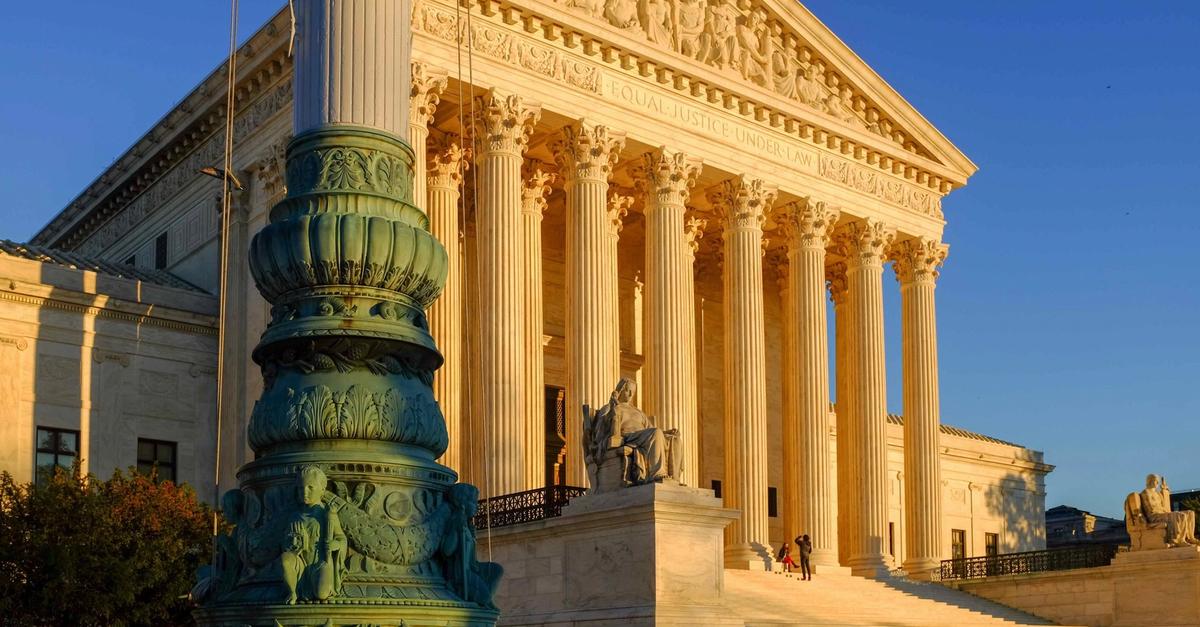
At the Supreme Court building, there is a small exhibition tied to the nation’s 250th anniversary, titled “Revolutionary Arguments: The Legal Fight for Independence.”The modest ground floor display focuses on how some of the “lawyers, statesmen, and soldiers—some of whom would later become Justices of the Supreme Court—fought tirelessly to bring about a new government.”On the bench in recent weeks, the justices themselves have been providing their own historical lessons, an updated version of “Bicentennial Minutes,” a series of short educational spots broadcast on CBS from 1974 through 1976. Let’s call them “Semiquincentennial Minutes.” (Trademark pending.)Justice Elena Kagan had one such moment with her opinion on June 11 in Abouammo v. United States, a case about proper venue for a federal criminal prosecution.“Not the most obvious thing for the Constitution to care about,” Kagan said from the bench that day.But as her written opinion put it, “Venue in criminal cases mattered more than might be supposed to the Nation’s Founders. Prior to the Revolution, Parliament enacted measures to try allegedly treasonous colonists in England, rather than in their home colonies. The legislation was so roundly despised as to make it into the Declaration of Independence. Among the ‘injuries and usurpations’ listed there was the practice of ’“transporting us beyond Seas to be tried for pretended offences.’”A week later, the next Semiquincentennial Minute came in United States v. Hemani, in