
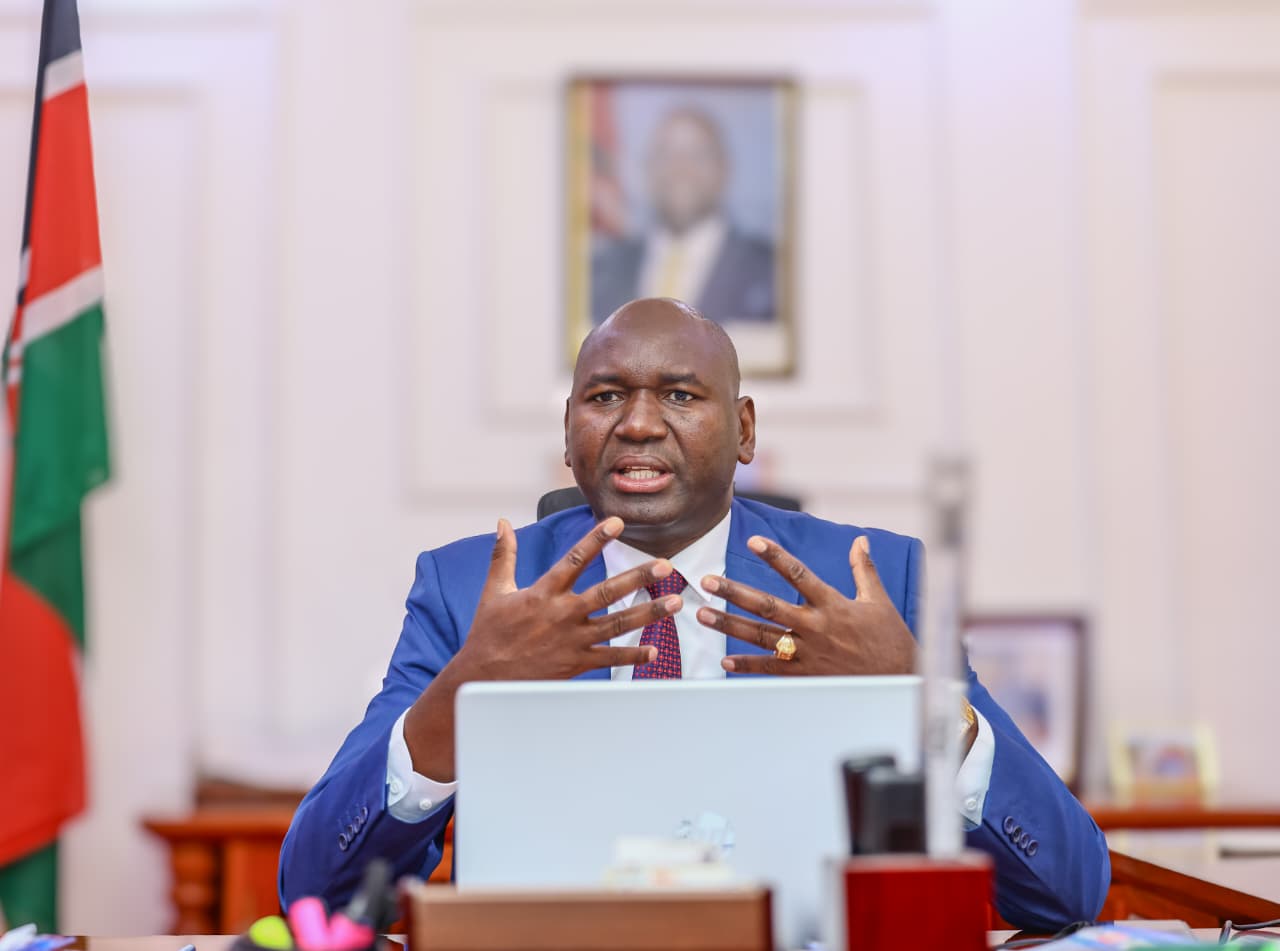
Basic Education PS Julius Bitok moved amid school unrest
Abstract
The recent reassignment of Principal Secretary Julius Bitok from the Basic Education docket to Tourism, amid escalating school unrest in Kenya, highlights the President's executive powers under Article 155(4) of the Constitution of Kenya, 2010. This administrative reshuffle, which saw John Lekakeny Ololtuaa take over the Basic Education portfolio, underscores the dynamic nature of public service appointments and the President's prerogative to reassign Principal Secretaries. The move comes at a critical juncture for the education sector, grappling with widespread student indiscipline and calls for enhanced governance. This article examines the constitutional and statutory framework governing such reassignments, the role of the Public Service Commission, and the broader implications for accountability and policy implementation within Kenya's public service.
Introduction
The recent administrative changes within Kenya's executive, particularly the reassignment of Principal Secretary Julius Bitok from the State Department for Basic Education to the State Department for Tourism, has drawn significant attention. This move, which saw educationist John Lekakeny Ololtuaa assume the Basic Education portfolio, occurred amidst a backdrop of escalating school unrest across the country, raising questions about executive accountability and strategic governance in the face of public sector challenges. The timing of the reassignment suggests a potential link to the ongoing issues within the education sector, prompting a closer examination of the legal underpinnings of such executive actions.
This article delves into the constitutional and statutory framework that empowers the President to effect such changes within the ranks of Principal Secretaries. It will explore the interplay between presidential prerogative, the role of the Public Service Commission (PSC), and the implications for the stability and effectiveness of public service delivery, particularly in a critical sector like basic education. By analyzing the relevant legal provisions and recent judicial pronouncements, this piece aims to provide legal practitioners with a comprehensive understanding of the legal landscape surrounding executive reassignments in Kenya.
Background
The office of Principal Secretary (PS) in Kenya is established under Article 155(1) of the Constitution of Kenya, 2010, as an office in the public service. Each State department is administered by a Principal Secretary. The President's power regarding PS appointments is outlined in Article 155(3), which mandates the President to nominate persons for appointment from among those recommended by the Public Service Commission (PSC) and, with the approval of the National Assembly, appoint them. Crucially, Article 155(4) explicitly grants the President the power to reassign a Principal Secretary.
The Public Service Commission, established under Article 233(1) of the Constitution, plays a vital role in managing human resources in the civil service. Its functions, detailed in Article 234, include establishing and abolishing offices, appointing persons to hold or act in those offices, exercising disciplinary control, and promoting public service values. While the PSC recommends individuals for nomination as PS, the ultimate power of appointment and reassignment rests with the President. The Basic Education Act, 2013, further outlines the framework for basic education in Kenya, with the Principal Secretary for Basic Education being central to the implementation of education policies and the overall management of the sector. The recent wave of school unrest, characterized by student indiscipline and destruction of property, has prompted the Ministry of Education to issue various directives aimed at restoring order and improving governance within learning institutions.
Analysis
The reassignment of Principal Secretary Julius Bitok is a direct exercise of the President's executive authority as enshrined in Article 155(4) of the Constitution of Kenya, 2010. This provision explicitly states that "The President may re-assign a Principal Secretary." This power of reassignment is distinct from the initial appointment process, which requires nomination by the President from PSC recommendations and subsequent approval by the National Assembly. The constitutional text suggests that a reassignment, unlike an initial appointment or a dismissal, does not necessitate further parliamentary approval, granting the President considerable flexibility in deploying Principal Secretaries across various State departments.
While the Constitution is explicit on reassignment, it is notably silent on the specific process for the *removal* of a Principal Secretary. Article 132(2)(d) grants the President the power to dismiss Principal Secretaries, but Article 155, which establishes the office, only provides for appointment, reassignment, and resignation. This apparent lacuna has been addressed by Section 51 of the Interpretation and General Provisions Act (Cap 2), which generally provides that a person conferred with the power to make an appointment also has the power to remove from that appointment. However, the distinction between a 'reassignment' and a 'dismissal' is critical. A reassignment implies continuity of service in a different portfolio, whereas a dismissal terminates the service. The President's action in this instance falls squarely within the 'reassignment' power, which is a less contentious exercise of executive authority compared to outright dismissal.
The role of the Public Service Commission in such reassignments is primarily advisory and facilitative. While the PSC is responsible for recommending persons for nomination as Principal Secretaries, managing their careers through promotions, transfers, and discipline, and ensuring adherence to public service values, the President's power to reassign is a direct executive prerogative. This dynamic highlights the delicate balance between the President's executive authority and the PSC's mandate to safeguard meritocracy and professionalism in the public service. Recent judicial scrutiny, such as the Supreme Court allowing a petition challenging the appointment of 51 Principal Secretaries to proceed, underscores the judiciary's role in ensuring executive actions comply with constitutional requirements, including public participation, merit-based selection, and adherence to Chapter Six on leadership and integrity. While that case focused on initial appointments, it sets a precedent for potential legal challenges if reassignments are perceived to violate constitutional principles or statutory provisions.
The context of "school unrest" provides the administrative rationale for the reassignment. The Ministry of Education has recently issued a 16-point directive to curb unrest, emphasizing measures like nationwide assessments, CCTV installation, and changes in leadership styles. The movement of the PS for Basic Education could be interpreted as an executive response to these challenges, signaling a strategic shift or a demand for renewed leadership in addressing the systemic issues contributing to student indiscipline. This administrative decision, therefore, carries not only legal implications regarding executive powers but also significant policy implications for the future direction of basic education in Kenya.
Conclusion
The reassignment of Principal Secretary Julius Bitok serves as a pertinent illustration of the President's constitutional powers under Article 155(4) of the Constitution of Kenya, 2010, to effect administrative changes within the executive. For legal practitioners, this highlights the importance of understanding the nuanced distinctions between appointment, reassignment, and removal of public officers, and the specific constitutional and statutory provisions governing each. While the President enjoys broad discretion in reassigning Principal Secretaries, such actions remain subject to the overarching principles of constitutionalism, good governance, and public accountability, as evidenced by ongoing judicial oversight of executive appointments.
Practitioners should continue to monitor developments in public service law, particularly any judicial interpretations that further define the scope and limits of presidential powers concerning Principal Secretaries. The context of school unrest also underscores the critical link between administrative decisions and their impact on public service delivery, especially in sectors vital to national development like education. Future reassignments or appointments will likely be scrutinized against the backdrop of performance, public expectations, and adherence to the values and principles of public service enshrined in the Constitution. Legal professionals advising public entities or individuals within the public service must remain abreast of these evolving dynamics to ensure compliance and effective governance.
Citations
- 1.Constitution of Kenya, 2010, Article 155
- 2.Constitution of Kenya, 2010, Article 233
- 3.Constitution of Kenya, 2010, Article 234
- 4.Basic Education Act, 2013
- 5.Interpretation and General Provisions Act (Cap 2)
How does this affect your business?
Get an AI analysis of this article grounded in your jurisdictions, practice areas, and any policy documents you've uploaded to Wansom.