
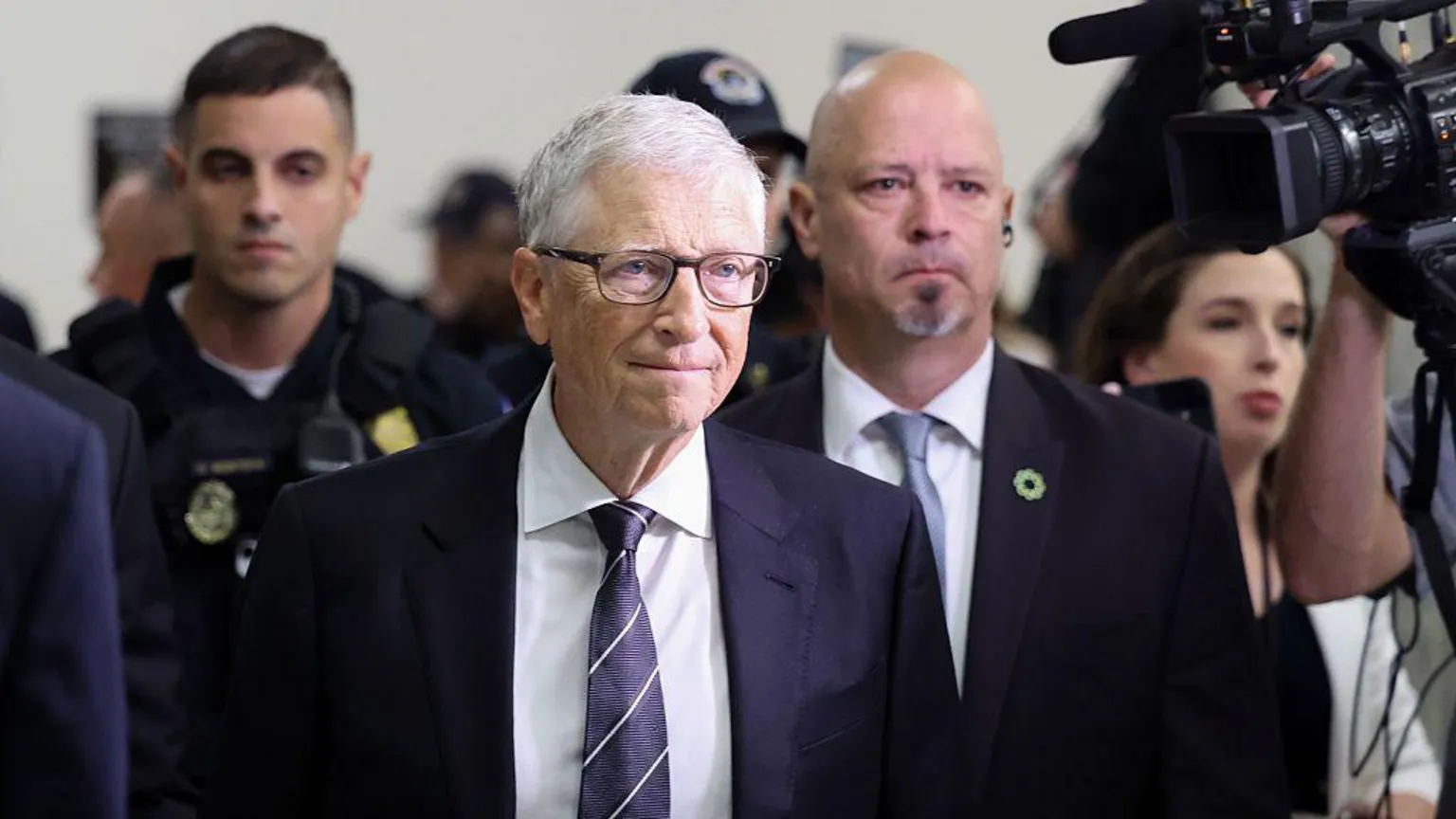
Bill Gates says Epstein wanted personal relationship, but he ‘never reciprocated’
Abstract
The recent statements by Bill Gates regarding his interactions with Jeffrey Epstein, though made in a foreign jurisdiction, underscore critical legal and ethical considerations that resonate globally, including in Ghana. This article explores the robust framework of Ghanaian law designed to combat human trafficking, child sexual exploitation, and related transnational crimes. It examines key statutes such as the Human Trafficking Act, 2005 (Act 694), the Criminal Offences Act, 1960 (Act 29), and the Children's Act, 1998 (Act 560), alongside mechanisms for international cooperation like the Extradition Act, 1960 (Act 22) and the Mutual Legal Assistance Act, 2010 (Act 807). For Ghanaian legal practitioners, understanding these provisions is crucial for advising clients on the severe legal ramifications of associations with individuals implicated in serious offenses, both domestically and across borders.
Introduction
The global legal landscape is increasingly interconnected, with high-profile cases often triggering discussions about accountability and ethical conduct across jurisdictions. The recent public statements by billionaire Bill Gates, denying a personal relationship with the late Jeffrey Epstein before a congressional committee, highlight the profound legal and reputational risks associated with affiliations, even perceived ones, with individuals accused of heinous crimes. While the immediate context of Gates's remarks is American, the underlying issues of human trafficking, sexual exploitation, and the responsibilities of prominent figures have significant resonance for legal professionals in Ghana.
Background
Ghana has established a comprehensive legal framework to address offenses akin to those for which Jeffrey Epstein was implicated, particularly concerning human trafficking and child protection. The foundational legislation includes the Human Trafficking Act, 2005 (Act 694), which defines human trafficking, mandates a minimum sentence of five years imprisonment for perpetrators, and outlines a three-pronged approach of prevention, protection, and prosecution. This Act was significantly guided by the United Nations Protocol to Prevent, Suppress and Punish Trafficking in Persons, Especially Women and Children (Palermo Protocol), reflecting Ghana's commitment to international standards.
Further reinforcing this framework is the Criminal Offences Act, 1960 (Act 29), which criminalizes various sexual offenses. Specifically, Section 101 addresses the defilement of a child under sixteen years of age, while Section 101A, inserted by the Criminal Offences (Amendment) Act, 2012 (Act 849), criminalizes sexual exploitation with an increased minimum term of imprisonment of seven years for sexual exploitation of a child. The Children's Act, 1998 (Act 560), complements these laws by providing for the rights of the child, prohibiting exploitative child labour, and establishing the paramount principle of the "best interest of the child" in all judicial decisions affecting children. These statutes collectively form a robust domestic shield against child abuse and exploitation.
Analysis
The legal implications of associating with individuals like Jeffrey Epstein, even without direct involvement in their criminal activities, can be far-reaching under Ghanaian law. While Gates's denial of a "personal relationship" aims to distance himself from Epstein's crimes, the nature and extent of any interaction could be subject to scrutiny if a Ghanaian nexus were established. For instance, under the Human Trafficking Act, 2005 (Act 694), a person is liable to be tried and punished in Ghana for trafficking if they commit an act which, if done within Ghana's jurisdiction, would constitute the offense of trafficking. This extraterritorial reach is critical in an era of transnational crime.
Furthermore, the Criminal Offences Act, 1960 (Act 29), particularly Sections 107(a) and 108, criminalizes procuring a person under twenty-one years of age for carnal knowledge or encouraging the seduction or prostitution of a child under sixteen years. The question of knowledge and intent would be paramount in any potential prosecution. Proving that an individual "knew or ought to have known" about illicit activities, or that their actions, however indirect, facilitated such crimes, presents significant evidentiary challenges. However, the legal framework is designed to cast a wide net to protect vulnerable persons.
Ghana's commitment to combating transnational crimes is also evident in its provisions for international cooperation. The Extradition Act, 1960 (Act 22), allows Ghana to cooperate with other countries in the apprehension and transfer of individuals accused of serious crimes, provided there is a valid extradition treaty or reciprocity, and the offense constitutes a crime under the laws of both Ghana and the requesting state (dual criminality). This means that if a high-profile individual with connections to Ghana were implicated in similar offenses abroad, extradition proceedings could be initiated. Additionally, the Mutual Legal Assistance Act, 2010 (Act 807), provides a comprehensive legal framework for Ghana to assist or seek assistance from foreign states in criminal matters, including evidence gathering, transfer of persons in custody, and confiscation of proceeds of crime. This dual framework ensures that Ghana can both prosecute offenses committed within its borders and contribute to global efforts against organized crime and exploitation.
Conclusion
For legal practitioners in Ghana, the Bill Gates-Epstein narrative serves as a potent reminder of the severe legal and reputational risks associated with affiliations that may, directly or indirectly, touch upon serious criminal enterprises. Advising high-net-worth individuals and corporate entities on due diligence in their associations, both personal and professional, is paramount. The Ghanaian legal system, through Acts such as the Human Trafficking Act, 2005 (Act 694), the Criminal Offences Act, 1960 (Act 29), and the Children's Act, 1998 (Act 560), provides robust mechanisms for prosecuting offenses related to sexual exploitation and human trafficking, with provisions for international cooperation to address cross-border dimensions.
Practitioners must remain vigilant regarding the evolving landscape of international criminal law and Ghana's increasing assertiveness in combating transnational crimes. The emphasis on prevention, protection, and prosecution, coupled with strong international legal assistance frameworks, means that individuals operating within or connected to Ghana cannot assume immunity from scrutiny, regardless of their status. The imperative for legal counsel is to ensure clients understand these risks and maintain impeccable ethical standards to avoid entanglement in complex and damaging legal battles.
Citations
- 1.Human Trafficking Act, 2005 (Act 694)
- 2.Criminal Offences Act, 1960 (Act 29)
- 3.Children's Act, 1998 (Act 560)
- 4.Extradition Act, 1960 (Act 22)
- 5.Mutual Legal Assistance Act, 2010 (Act 807)
- 6.Criminal Offences (Amendment) Act, 2012 (Act 849)
How does this affect your business?
Get an AI analysis of this article grounded in your jurisdictions, practice areas, and any policy documents you've uploaded to Wansom.