
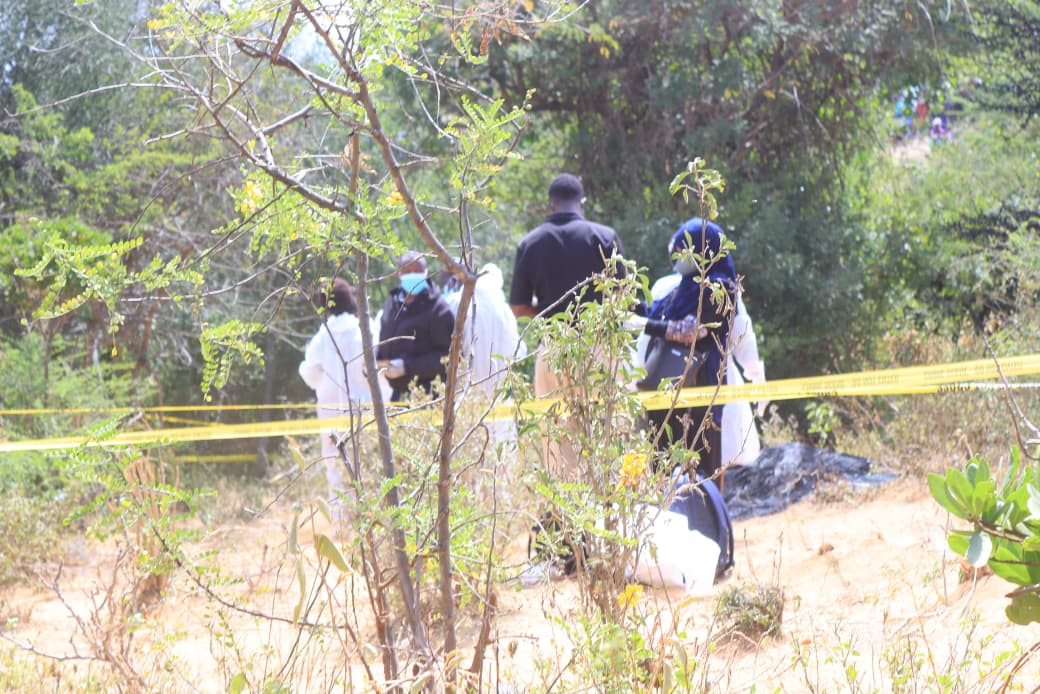
Bodies of four men exhumed from mass grave in Mwingi
Abstract
The recent discovery and exhumation of four bodies from a mass grave in Mwingi Town, Kenya, has triggered a multi-faceted legal response, highlighting critical aspects of criminal investigation, public health, and human rights law. This incident underscores the stringent legal framework governing exhumations in Kenya, primarily under the Public Health Act and the Criminal Procedure Code, which mandate judicial oversight for such processes. The involvement of homicide detectives signals a serious criminal inquiry, likely into murder, demanding meticulous forensic analysis and adherence to due process. Furthermore, the case brings to the fore the posthumous application of constitutional rights, particularly the right to dignity, and the state's obligation to ensure justice for the deceased and their families, especially in light of recent similar incidents across the country.
Introduction
The discovery and subsequent exhumation of four bodies from a shallow mass grave in Mwingi Town, as reported by KBC Kenya, has sent ripples of concern through the community and the broader legal landscape. This grim find immediately escalated into a matter of significant public interest, prompting the involvement of homicide detectives and initiating a complex legal process. The incident is not merely a local tragedy but a stark reminder of the persistent challenges Kenya faces in upholding the rule of law, ensuring public safety, and safeguarding human dignity, even in death. It necessitates a thorough examination of the legal mechanisms in place for investigating suspicious deaths and managing human remains.
This event underscores the critical role of the criminal justice system in addressing potential atrocities and restoring public confidence. The legal implications extend beyond the immediate criminal investigation, touching upon public health regulations, forensic science, and the constitutional rights of the deceased and their next of kin. This article will delve into the legal framework governing exhumations and criminal investigations in Kenya, analyze the procedural and substantive legal challenges presented by such discoveries, and discuss the broader implications for legal practitioners and the pursuit of justice.
Background
The legal framework for exhumation in Kenya is primarily enshrined in the Public Health Act (Cap 242) and the Criminal Procedure Code (Cap 75). Section 146 of the Public Health Act generally prohibits the exhumation of a body or its remains from any burial ground without a permit issued by the Cabinet Secretary responsible for health matters. However, a crucial proviso to this section, and further elaborated in Section 388 of the Criminal Procedure Code, grants a magistrate the independent legal right to order an exhumation for the purpose of holding an inquiry into the cause of death, particularly in cases of suspected foul play. This judicial oversight is paramount, ensuring that such sensitive acts are not undertaken arbitrarily but are grounded in a legitimate investigative purpose.
Beyond exhumation, the investigation of suspicious deaths falls squarely within the mandate of the Directorate of Criminal Investigations (DCI), an organ of the National Police Service (NPS). The DCI is tasked with investigating serious crimes, including homicide, collecting criminal intelligence, and conducting forensic analysis. The Office of the Director of Public Prosecutions (ODPP) plays a supervisory role in criminal investigations and is responsible for initiating criminal proceedings. These agencies operate under the overarching principles of the Constitution of Kenya, 2010, which guarantees the right to life (Article 26) and the inherent dignity of every person (Article 28), rights that extend even to the deceased.
Analysis
The exhumation in Mwingi, initiated by a report to the police, falls under the investigative powers granted to law enforcement and the judiciary. The delay in the exhumation process until the arrival of homicide detectives highlights the critical need for specialized expertise in handling such scenes. Under Section 388 of the Criminal Procedure Code, the Director of Public Prosecutions may direct a magistrate to hold an inquiry into the cause of a particular death and may also direct whether the body is to be disinterred and examined. This judicial authorization is a safeguard against arbitrary interference with human remains and ensures that the process is legally sound and aimed at uncovering the truth.
Once exhumed, the bodies become central to a forensic investigation. Forensic science is indispensable in solving crimes, identifying victims, and determining the cause and manner of death. This involves meticulous crime scene investigation, DNA and biological analysis, and potentially digital forensics if electronic evidence is involved. The quality of forensic evidence is crucial for its admissibility in court, as demonstrated in cases like *Republic v Kamlesh Mansuklal Damji Pattni [2005] eKLR*, where the court faulted unprofessional exhumation leading to quashed murder charges. The DCI is mandated to conduct forensic analysis, which is vital for building a robust case.
The discovery of a mass grave immediately raises suspicions of murder, defined under Section 203 of the Penal Code (Cap 63) as the unlawful killing of a person with malice aforethought. The investigation will aim to establish the elements of murder, including intent. The punishment for murder, historically mandatory death, has evolved following the landmark Supreme Court decision in *Francis Karioko Muruatetu & another vs. Republic [2017] eKLR*, which declared the mandatory nature of the death sentence unconstitutional, allowing judicial discretion in sentencing.
Beyond criminal liability, the incident implicates human rights. The right to dignity, protected by Article 28 of the Constitution, extends to the deceased, meaning their remains must be treated with respect. Families also have a right to know the fate of their loved ones and to accord them a dignified burial. The existence of unidentified bodies in mass graves, as seen in other recent incidents like those in Kericho and Shakahola, raises concerns about enforced disappearances and potential state cover-ups, underscoring the need for transparent and thorough investigations. The Public Health Act also outlines procedures for the disposal of unclaimed bodies from morgues, which requires court orders after a certain period, a process that must be strictly adhered to to prevent unauthorized mass burials.
Furthermore, the privacy rights of the deceased, protected under Article 31 of the Constitution, have been affirmed by Kenyan courts to extend posthumously, particularly concerning sensitive information. This principle reinforces the need for legal authorization and careful handling of all aspects related to the deceased, including their identification and the circumstances surrounding their death.
Conclusion
The exhumation of four bodies from a mass grave in Mwingi represents a grave legal challenge that demands a comprehensive and coordinated response from Kenya's criminal justice system. For legal practitioners, this case underscores the critical importance of understanding and adhering to the intricate legal framework governing exhumations, criminal investigations, and the protection of human rights, both for the living and the deceased. The meticulous collection and analysis of forensic evidence, obtained through legally sanctioned procedures, will be paramount in establishing the cause of death, identifying the victims, and ultimately bringing perpetrators to justice.
Moving forward, practitioners should closely monitor the investigative process, particularly regarding the identification of the deceased and any subsequent arrests and prosecutions. This incident, alongside other recent discoveries of mass graves in Kenya, serves as a stark reminder of the need for continuous vigilance in upholding constitutional rights, ensuring accountability for serious crimes, and fostering public trust in state institutions. The pursuit of justice in such cases is not merely about punishing offenders but also about affirming the inherent dignity of every individual and providing closure to affected families.
Citations
- 1.Public Health Act (Cap 242)
- 2.Criminal Procedure Code (Cap 75)
- 3.National Coroners Service Act, 2017
- 4.Penal Code (Cap 63)
- 5.Constitution of Kenya, 2010
- 6.National Police Service Act, 2011
- 7.Republic v Kamlesh Mansuklal Damji Pattni [2005] eKLR
- 8.Francis Karioko Muruatetu & another vs. Republic [2017] eKLR
- 9.Peter Maina Mwaniki v Attorney General & 6 Others [2023] KEHC 22385 (KLR)
How does this affect your business?
Get an AI analysis of this article grounded in your jurisdictions, practice areas, and any policy documents you've uploaded to Wansom.