
California drought causes irreversible land subsidence in Sacramento Valley
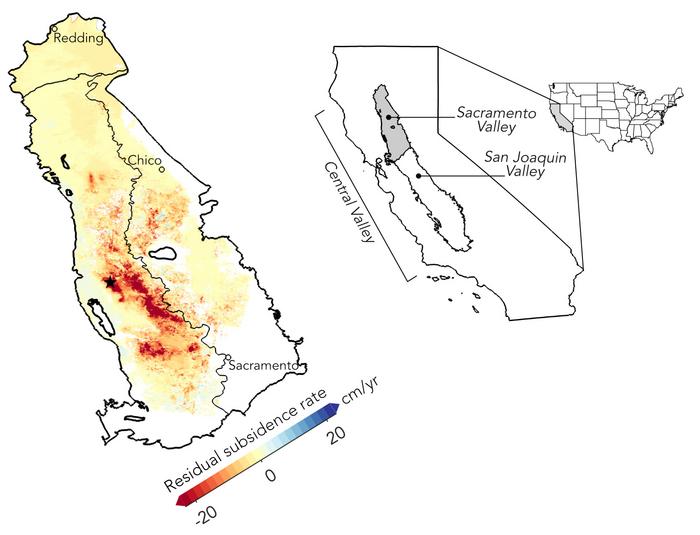
Summary
- A recent study found that California's 2020-2022 drought caused irreversible land subsidence in the Sacramento Valley.
- Heavy groundwater pumping during this period resulted in permanent damage to the aquifer's ability to store water.
- The region's reliance on groundwater under climate change makes its preservation increasingly critical.
- Experts are urging policymakers to reassess their approach to groundwater regulation and consider designating the Sacramento Valley as a critically overdrafted area.
What Happened
The permanent damage to the aquifer's storage capacity means that future generations will face reduced water supplies, exacerbating existing challenges.
A recent study published in the Proceedings of the National Academy of Sciences has shed light on the devastating impact of California's 2020-2022 drought on the Sacramento Valley's aquifer. The research, led by a team of scientists from the University of California Los Angeles, reveals that heavy groundwater pumping during this period caused the ground to sink at an alarming rate, resulting in permanent damage to the aquifer's ability to store water. This phenomenon, known as land subsidence, occurs when excessive groundwater is withdrawn from rocks and sediment, causing the ground to collapse. The study's findings are particularly concerning given the region's reliance on groundwater under climate change. As global demand for this resource intensifies, its capacity to act as a buffer against surface water variability becomes increasingly critical.
Legal Context
The Sacramento Valley is one of California's largest agricultural regions, producing about 21% of the state's irrigated field crops. However, this area has been plagued by groundwater depletion for decades, with the San Joaquin Valley experiencing land subsidence since the 1970s. While the state's Sustainable Groundwater Management Act designates certain groundwater basins as critically overdrafted, the Sacramento Valley is not currently among them, highlighting the need for more conservative management practices. In light of these findings, experts are urging policymakers to reassess their approach to groundwater regulation and consider designating the Sacramento Valley as a similarly critical area. This would require implementing stricter controls on groundwater pumping and promoting more sustainable water management strategies.
Why It Matters
The long-term implications of this study's findings are far-reaching, with potential consequences for agricultural regions and infrastructure development in the Sacramento Valley. As climate change intensifies global demand for groundwater, its availability will become increasingly critical. The permanent damage to the aquifer's storage capacity means that future generations will face reduced water supplies, exacerbating existing challenges. Furthermore, land subsidence could increase flood risk and damage irrigation canals, roads, and other infrastructure, highlighting the need for more proactive measures to mitigate these effects.
Practical Implications
Lawyers and compliance officers should be aware of the potential long-term implications for water availability in the Sacramento Valley, which may lead to increased reliance on groundwater under climate change. This could have significant consequences for agricultural regions and infrastructure development.
Source
How does this affect your business?
Get an AI analysis of this article grounded in your jurisdictions, practice areas, and any policy documents you've uploaded to Wansom.