
Cape Coast MCE shuts supermarket, closes shops over cleanup directive breach
Abstract
The Cape Coast Metropolitan Chief Executive (MCE) recently ordered the shutdown of Sonturk Supermarket and other businesses for failing to comply with a directive to suspend operations during a nationwide cleanup exercise. This action highlights the expansive powers vested in Metropolitan, Municipal, and District Assemblies (MMDAs) and their Chief Executives under Ghana's Local Governance Act, 2016 (Act 936) to enforce environmental sanitation regulations. While MMDAs possess legislative and executive authority to enact and enforce bye-laws, the immediate closure of businesses raises questions regarding the specific legal provisions authorizing such summary actions and adherence to principles of administrative due process. The incident underscores the ongoing tension between public health imperatives and the rights of private enterprises in Ghana's regulatory landscape.
Introduction
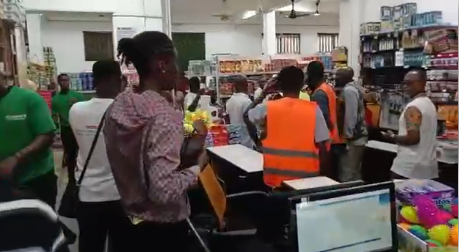
In a decisive move that has garnered significant attention, the Cape Coast Metropolitan Chief Executive (MCE), George Justice Arthur, ordered the closure of Sonturk Supermarket and several other commercial establishments. The reason cited for these shutdowns was the alleged defiance of a directive from the Cape Coast Metropolitan Assembly (CCMA) to suspend business operations during a mandated nationwide cleanup exercise. This incident, reported by MyJoyOnline Ghana, brings to the fore the robust enforcement mechanisms available to local government authorities in Ghana, particularly concerning environmental sanitation.
This development is not isolated; it reflects a broader national effort to improve sanitation and mitigate the impact of environmental hazards, especially in the wake of recent flooding. Metropolitan, Municipal, and District Assemblies (MMDAs) across Ghana are increasingly asserting their authority to ensure public participation in communal cleaning exercises. However, the immediate closure of businesses, even in pursuit of public health, necessitates a closer examination of the legal framework empowering such actions and the procedural safeguards available to affected entities.
This article will delve into the statutory and regulatory underpinnings of the MCE's authority, analyze the implications of such enforcement actions, and discuss the legal avenues available to businesses facing similar summary closures. It aims to provide legal professionals with a comprehensive understanding of the powers of local authorities in Ghana regarding sanitation enforcement and the rights of commercial entities.
Background
The legal foundation for local governance in Ghana is primarily enshrined in the Local Governance Act, 2016 (Act 936). This Act establishes District Assemblies, including Metropolitan and Municipal Assemblies, as the highest political and administrative authorities in their respective areas of jurisdiction. These Assemblies are vested with deliberative, legislative, and executive functions, enabling them to promote the overall development of their districts, including public health, environmental protection, and the management of human settlements.
Crucially, Act 936 empowers these Assemblies to enact bye-laws for the effective administration and good governance of their areas. In the context of environmental sanitation, MMDAs are specifically mandated to make appropriate bye-laws to regulate environmental sanitation and prevent pollution. The Cape Coast Metropolitan Assembly, like other MMDAs, has its own set of bye-laws, such as the Cape Coast Metropolitan Assembly (Sanitation) By-Law, 2025, which outlines regulations concerning waste management, public health, and the conduct of businesses.
Environmental Health Officers, operating under the purview of the Assemblies' Waste Management Departments, are granted powers to enter premises to inspect for and abate nuisances. The MCE, as the executive head of the Metropolitan Assembly, plays a pivotal role in implementing and enforcing these bye-laws and directives. Their responsibilities include enforcing municipal bye-laws and regulations related to sanitation and planning, and collaborating with relevant agencies to maintain law and order. The recent cleanup exercise in Cape Coast was part of a broader national initiative, often declared by central government, to address sanitation challenges, particularly after events like heavy flooding.
Analysis
The MCE's action in shutting down Sonturk Supermarket and other shops for non-compliance with a cleanup directive raises several points of legal analysis. While the Local Governance Act, 2016 (Act 936) grants MMDAs broad powers to enact and enforce sanitation bye-laws, the specific power to summarily close a business for failing to participate in a cleanup exercise requires careful scrutiny. The Cape Coast Metropolitan Assembly (Sanitation) By-Law, 2025, for instance, explicitly states that the Assembly "may close down any business or suspend the activities of any business until the appropriate fees, together with any accrued interest and/or incidental losses incurred, are paid for the grant of a permit for the operation of the business." This provision links closure directly to permit and fee non-compliance, not explicitly to a cleanup directive breach.
However, the news report indicates the shutdown was a direct consequence of defying the cleanup directive. This suggests that such directives, often issued in the interest of public health and safety, are considered binding under the broader framework of sanitation bye-laws. MMDAs frequently issue public notices for cleanup exercises, stipulating temporary closures of businesses to ensure widespread participation. Non-compliance with such a directive could be interpreted as a breach of a general sanitation regulation, empowering the MCE, through the Environmental Health and Sanitation Unit, to take enforcement action, including closure. Indeed, other MMDAs have similarly closed facilities and summoned business owners for failing to participate in sanitation exercises.
From an administrative law perspective, the principle of due process is paramount in Ghana. This principle generally requires that individuals or entities be given advance notice of an intention to deprive them of a right or privilege, and an opportunity to be heard. The report notes that some business owners were "arrested and served with summons for allegedly breaching the Assembly's instructions" and ordered to "appear before the Sanitation Court at the Assembly's Environmental Office." This indicates that while the initial shutdown may be immediate, there is an established judicial process for addressing the alleged violations. The existence of a Sanitation Court suggests a formal mechanism for adjudication and the imposition of sanctions, which can include fines, and potentially, continued closure if the non-compliance persists.
Nevertheless, the immediacy of the shutdown without a prior hearing could be challenged on grounds of procedural fairness, depending on the specific wording of the bye-laws and the urgency of the public health threat. While the Environmental Protection Agency (EPA) also has powers to close businesses for environmental non-compliance, particularly concerning permits and pollution, the MCE's actions fall under the local government's direct mandate for community sanitation. The balance between swift executive action for public good and safeguarding individual business rights remains a critical area of administrative law in Ghana.
Conclusion
The actions of the Cape Coast MCE in shutting down businesses for non-compliance with cleanup directives underscore the significant powers wielded by local authorities in Ghana to enforce environmental sanitation. These powers are rooted in the Local Governance Act, 2016 (Act 936), which empowers MMDAs to enact and enforce bye-laws aimed at promoting public health and a clean environment. While the immediate closure of businesses serves as a potent deterrent and ensures participation in critical sanitation exercises, legal practitioners must be mindful of the procedural requirements and due process considerations inherent in such enforcement actions.
For practising attorneys, it is crucial to advise clients on the importance of strict adherence to local assembly directives and bye-laws, particularly those pertaining to public health and sanitation. Businesses facing such closures should understand their rights, including the right to be heard and to challenge the legality or proportionality of the MCE's actions through the established judicial mechanisms, such as the Sanitation Court. Furthermore, continuous engagement with local authorities and a clear understanding of specific metropolitan bye-laws are essential to navigate the evolving regulatory landscape and mitigate potential disruptions to business operations. The incident serves as a reminder that local government enforcement of sanitation laws is a serious matter with direct and immediate consequences for commercial entities.
Citations
- 1.Local Governance Act, 2016 (Act 936)
- 2.Cape Coast Metropolitan Assembly (Sanitation) By-Law, 2025
- 3.MyJoyOnline Ghana, "Cape Coast MCE shuts supermarket, closes shops over cleanup directive breach" (July 10, 2026)
- 4.Modern Ghana, "Chief urges assembly to enforce bye-laws on sanitation" (February 05, 2009)
- 5.Cape Coast Metropolitan Assembly, "Waste Management Department"
- 6.AllAfrica.com, "Ghana: 8 Businesses to Sanction for Failure to Participate in National Sanitation Day Exercise" (December 29, 2025)
- 7.CitiNewsroom.com, "Linda Ocloo orders strict enforcement of sanitation bye-laws" (July 10, 2026)
- 8.CitiNewsroom.com, "AMA orders temporary closure of businesses for two-day clean-up exercise" (July 10, 2026)
- 9.TW Radio 88.9 FM, "CCMA Calls for Public Participation in Upcoming Clean-Up Exercise" (July 09, 2026)
- 10.Graphic Online, "Does EPA have authority to close businesses?" (September 15, 2023)
- 11.Modern Ghana, "`Due Process of Law` —What is It?" (August 05, 2009)
- 12.The High Street Journal, "10 Key Environmental Laws Every Business in Ghana Must Follow" (September 17, 2024)
How does this affect your business?
Get an AI analysis of this article grounded in your jurisdictions, practice areas, and any policy documents you've uploaded to Wansom.