
China, Kenya and UNICEF unite to improve maternal health in high-risk counties
Abstract
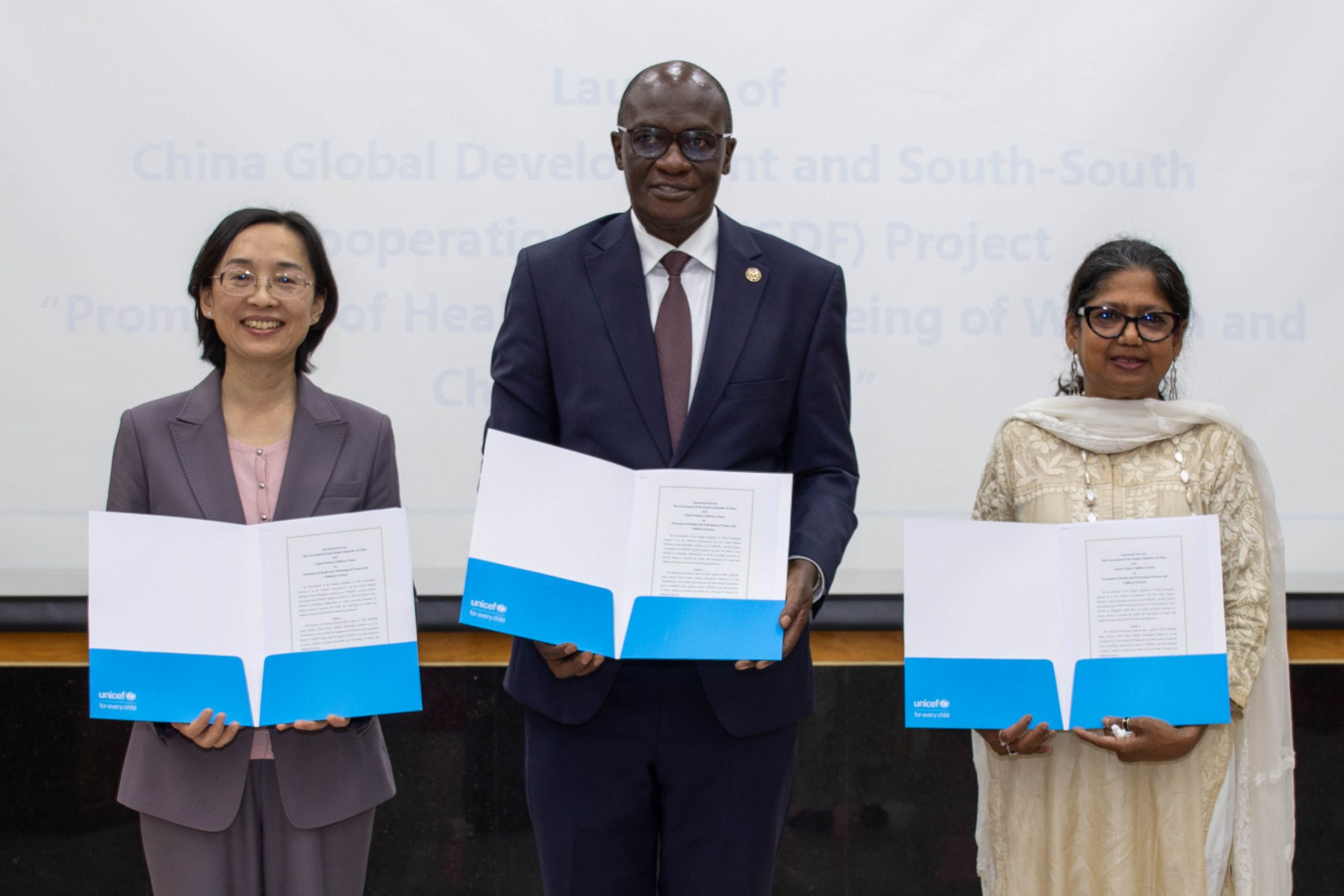
A new USD 3 million project, supported by the China International Development Cooperation Agency (CIDCA), Kenya, and UNICEF, aims to bolster maternal health services in high-risk counties in northeastern Kenya. This initiative directly addresses Kenya's constitutional and international obligations to ensure the highest attainable standard of health, particularly reproductive health. For legal professionals, the project highlights critical aspects of public health law, international cooperation agreements, and the devolved healthcare system in Kenya, necessitating careful consideration of funding mechanisms, procurement, human rights compliance, and accountability frameworks under the Health Act, 2017, and the Public Finance Management Act, 2012.
Introduction
Kenya's commitment to safeguarding maternal health has received a significant boost through a new USD 3 million project, a collaborative effort between the China International Development Cooperation Agency (CIDCA), the Government of Kenya, and UNICEF. This initiative is specifically designed to strengthen hospitals, enhance the capacity of health workers through training, and expand access to critical maternal care services in the high-risk counties of northeastern Kenya. The project underscores the ongoing national and international efforts to address persistent challenges in maternal mortality and morbidity, particularly in underserved regions.
For legal practitioners, this development is more than a philanthropic gesture; it represents a tangible step towards the progressive realization of constitutionally enshrined rights and international human rights obligations. The project's implementation will navigate a complex legal landscape, involving national health policies, devolved healthcare functions, international aid agreements, and human rights standards. Understanding these interconnected legal frameworks is crucial for ensuring the project's success, accountability, and long-term impact on the right to health for Kenyan women and children.
This article will delve into the legal underpinnings of maternal health in Kenya, examine the regulatory environment governing international development cooperation, and explore the implications of such projects for legal compliance, human rights advocacy, and the broader healthcare governance structure.
Background
The right to health in Kenya is a fundamental constitutional entitlement, explicitly guaranteed under Article 43(1)(a) of the Constitution of Kenya, 2010, which affirms every person's right to the highest attainable standard of health, including reproductive health care. This constitutional provision is further elaborated by Article 43(2), which ensures that no person shall be denied emergency medical treatment, a critical aspect of maternal care. The State's obligation to observe, respect, protect, promote, and fulfil these rights is enshrined in Article 21 of the Constitution. Furthermore, Articles 2(5) and 2(6) integrate general rules of international law and ratified treaties into Kenyan law, elevating international human rights instruments to domestic legal standing.
Complementing the Constitution, the Health Act, 2017 (No. 21 of 2017), provides a comprehensive legislative framework for the health sector. Section 6 of the Health Act specifically details the right to reproductive health care, encompassing access to family planning services, appropriate health-care services for safe pregnancy, childbirth, and the postpartum period, and treatment for conditions threatening the mother's life or health. The Act also delineates the devolved nature of healthcare, with county governments primarily responsible for health service delivery within their jurisdictions, while the national government focuses on policy, national referral services, and capacity building. This dual-level governance structure necessitates careful coordination and clear delineation of responsibilities in implementing health projects. Kenya is also a State Party to international instruments such as the International Covenant on Economic, Social and Cultural Rights (ICESCR) and the Protocol to the African Charter on Human and Peoples' Rights on the Rights of Women in Africa (Maputo Protocol), both of which reinforce the right to health and reproductive rights.
Analysis
The USD 3 million project, involving China, Kenya, and UNICEF, directly contributes to Kenya's fulfillment of its constitutional and international obligations concerning maternal health. By strengthening hospitals and training health workers, the initiative addresses the State's duty to ensure available, accessible, acceptable, and quality healthcare services, as articulated by the Committee on Economic, Social and Cultural Rights in its interpretation of the ICESCR. The focus on northeastern Kenya, often a marginalized region, aligns with the constitutional principle of equity and non-discrimination (Article 27) and the progressive realization mandate, ensuring that vulnerable populations are not left behind.
Legally, the implementation of such a project requires adherence to Kenya's Public Finance Management Act, 2012 (PFMA). The PFMA governs how public funds, including grants and donations from international partners, are managed, allocated, and accounted for at both national and county levels. This includes provisions for transparency, public participation in budgeting, and accountability mechanisms, which are crucial for ensuring the effective and ethical use of the project funds. Given the devolution of health functions, the project agreements must clearly define the roles and responsibilities of the national Ministry of Health and the respective county governments, particularly regarding procurement of supplies and human resource management, as outlined in Section 20 of the Health Act, 2017.
Furthermore, the project's emphasis on "lifesaving maternal care" resonates with significant jurisprudence in Kenya. The landmark Josephine Majani cases (County Government of Bungoma & 2 others v. Josephine Oundo Ongwen a.k.a. Josephine Majani & 2 Others) affirmed the right to respectful maternal health care, emphasizing that neglect and mistreatment during childbirth constitute violations of constitutional rights to health, dignity, and freedom from cruel, degrading, and inhuman treatment. This jurisprudence sets a high standard for the quality and respectful delivery of maternal health services, which the project's training component must integrate to ensure compliance and prevent future human rights violations. The project's success will also depend on navigating potential legal complexities related to data sharing, especially with international partners, ensuring compliance with Kenya's data protection laws, as highlighted in recent discussions around other bilateral health agreements.
While the Maputo Protocol explicitly calls for the authorization of medical abortion in cases of sexual assault, rape, incest, or when the mother's life or health is in danger (Article 14(2)(c)), Kenya has historically maintained reservations to this specific provision. However, the Kenyan Constitution (Article 26(4)) and subsequent judicial interpretations have allowed for abortion under specific circumstances, such as when the life or health of the mother is in danger, or as permitted by written law. The Health Act, 2017, also provides for access to treatment for conditions occurring during pregnancy that threaten the mother's life or health. Legal practitioners involved in the project must be acutely aware of these nuanced provisions to ensure that all aspects of maternal care provided are within the bounds of Kenyan law and evolving jurisprudence.
Conclusion
The collaborative maternal health project in northeastern Kenya represents a vital step towards realizing the constitutional right to health and fulfilling Kenya's international human rights commitments. For legal practitioners, this initiative underscores the multifaceted legal considerations inherent in international development projects within a devolved governance structure. It highlights the imperative of meticulous drafting of inter-governmental and international agreements, ensuring alignment with the Constitution of Kenya, 2010, the Health Act, 2017, and the Public Finance Management Act, 2012.
Legal professionals advising on such projects must focus on robust accountability mechanisms, transparent financial management, and strict adherence to human rights standards, particularly those related to respectful maternal care. They should also monitor ongoing legislative and policy developments, especially concerning the interpretation of reproductive health rights and data governance in international partnerships. The success of this project will not only be measured in improved health outcomes but also in its ability to strengthen the rule of law and reinforce the legal framework for health service delivery in Kenya, setting a precedent for future collaborations aimed at advancing socio-economic rights.
Citations
- 1.Constitution of Kenya, 2010
- 2.Health Act, 2017 (No. 21 of 2017)
- 3.Public Finance Management Act, 2012
- 4.Protocol to the African Charter on Human and Peoples' Rights on the Rights of Women in Africa (Maputo Protocol)
- 5.International Covenant on Economic, Social and Cultural Rights (ICESCR)
- 6.County Government of Bungoma & 2 others v. Josephine Oundo Ongwen (a.k.a. Josephine Majani) & 2 Others (Kenya Civil Appeal No. 61 of 2018)
How does this affect your business?
Get an AI analysis of this article grounded in your jurisdictions, practice areas, and any policy documents you've uploaded to Wansom.