
Consular officials under fire in South Africa
Abstract
Consular officials in South Africa are facing heightened pressure following an ultimatum issued by the nationalist vigilante group, March and March, demanding that undocumented foreign nationals leave the country by June 30. This development underscores the complex interplay between international consular law, South African immigration statutes, and the constitutional rights afforded to all persons within the Republic, irrespective of their immigration status. The situation highlights the critical role of consulates in protecting their nationals, even those undocumented, and exposes the challenges posed by non-state actors operating outside the rule of law. It also brings into sharp focus the South African government's obligations to maintain public order and uphold human rights amidst escalating xenophobic sentiment, prompting a re-evaluation of state responsibility and enforcement mechanisms.
Introduction
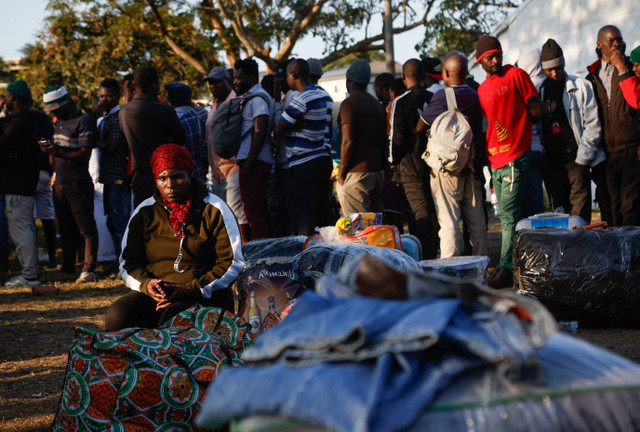
The Malawian Consulate in Johannesburg, typically a quiet diplomatic outpost, found itself at the centre of a burgeoning crisis as a self-proclaimed nationalist vigilante group, March and March, issued a stark ultimatum to all undocumented foreign nationals in South Africa: depart by June 30 or face unspecified consequences. This deadline, which has since passed, has not only created immense anxiety among migrant communities but has also placed significant strain on consular officials tasked with protecting their citizens abroad. The incident, reported by The Nation Malawi, serves as a potent reminder of the precarious position of foreign nationals, particularly those without documentation, in host countries grappling with socio-economic pressures and rising xenophobia.
Background
The legal framework governing the rights and responsibilities of foreign nationals in South Africa, as well as the functions of consular missions, is multifaceted. At the international level, the Vienna Convention on Consular Relations (VCCR) of 1963 provides the foundational framework for consular relations between sovereign states. It codifies numerous consular practices, outlining the functions, rights, and immunities accorded to consular officers and their offices. Key among these functions is the protection of the interests of the sending State and its nationals, both individuals and bodies corporate, within the limits permitted by international law, and the provision of assistance to nationals. This includes the right of consular officers to communicate with and have access to their nationals, even those who are arrested or detained, and to arrange for their legal representation. Crucially, undocumented foreign nationals are afforded the same rights under the VCCR as those with legal residency.
Analysis
The ultimatum issued by March and March, a civic organisation focused on illegal immigration, directly challenges South Africa's constitutional and international legal obligations. The group, associated with Operation Dudula, has been linked to xenophobic and violent actions, and its demonstrations have spread nationwide. South Africa's Constitution, 1996, enshrines a Bill of Rights that protects all people within its borders, including non-nationals, by virtue of their humanity. Section 9 prohibits discrimination on various grounds, including ethnic or social origin, and section 10 guarantees everyone inherent dignity. Furthermore, section 12 protects the right to freedom and security of the person, while section 27 ensures access to healthcare, food, water, and social security for all. The Immigration Act 13 of 2002, while regulating the entry, stay, and departure of non-citizens, explicitly aims to promote a human rights and civil rights-based culture in immigration control and prevent xenophobia. While the Act provides for the detention and deportation of “illegal foreigners,” recent case law mandates that all detentions are subject to judicial oversight, and section 41, which allows officers to request identification, has been interpreted to limit warrantless searches to public places and require reasonable suspicion.
Conclusion
The situation surrounding the March and March ultimatum presents significant legal and practical implications for practitioners. Attorneys advising foreign nationals must be acutely aware of their clients' constitutional rights, irrespective of their immigration status, and the protections afforded by international instruments like the VCCR. It is imperative to challenge unlawful intimidation, harassment, and any attempts by non-state actors to usurp the state's exclusive authority over immigration enforcement. Practitioners should also monitor the South African government's response to such vigilante groups, particularly the implementation of the High Court's order in *Kopanang Africa Against Xenophobia and Others v Operation Dudula and Others*, which made the implementation of the National Action Plan to Combat Racism, Racial Discrimination, Xenophobia and Related Intolerance a binding legal obligation. The ongoing tension underscores the need for robust legal advocacy to ensure that South Africa upholds its constitutional values and international commitments, protecting all individuals within its borders from xenophobic violence and upholding the rule of law.
Citations
- 1.Vienna Convention on Consular Relations, 1963
- 2.Constitution of the Republic of South Africa, 1996
- 3.Immigration Act 13 of 2002
- 4.Refugees Act 130 of 1998
- 5.Kopanang Africa Against Xenophobia and Others v Operation Dudula and Others (High Court of South Africa, Gauteng Division, Johannesburg, November 2025)
How does this affect your business?
Get an AI analysis of this article grounded in your jurisdictions, practice areas, and any policy documents you've uploaded to Wansom.