
Cran, MTC, BoN urge vigilance amid ongoing vishing scams
Abstract
Despite mandatory SIM card registrations, Namibia is experiencing a surge in 'vishing' scams, prompting regulatory bodies, telecommunication providers, and financial institutions to issue warnings and urge public vigilance. Vishing, a form of voice phishing, involves fraudsters manipulating individuals over the phone to divulge sensitive personal and financial information. This article examines the legal landscape surrounding these scams in Namibia, highlighting the interplay between the Communications Act 8 of 2009, the Electronic Transactions Act 4 of 2019, the Financial Intelligence Act 13 of 2012, and the evolving data protection framework. It underscores the limitations of current measures against sophisticated social engineering tactics and the shared responsibility of stakeholders in combating this growing cyber threat, offering insights for legal practitioners on prevention, liability, and regulatory compliance.
Introduction
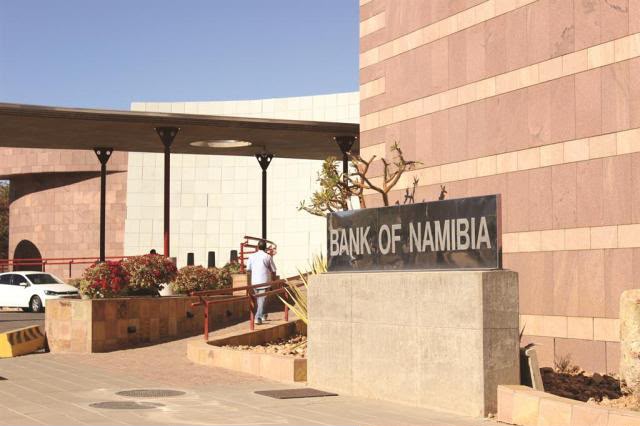
Namibia is currently grappling with a notable increase in 'vishing' scams, a sophisticated form of cyber fraud where perpetrators use voice calls to deceive individuals into disclosing confidential information or transferring funds. This rise occurs despite the implementation of mandatory Subscriber Identification Module (SIM) card registrations, a measure initially intended to enhance accountability and curb criminal activities. The Communications Regulatory Authority of Namibia (CRAN), Mobile Telecommunications Limited (MTC), and the Bank of Namibia (BoN) have collectively voiced concerns, stressing the need for heightened vigilance among consumers.
The proliferation of vishing scams highlights a critical challenge within Namibia's digital ecosystem: the gap between regulatory frameworks designed for identification and the persistent threat of social engineering. While SIM registration aims to link mobile numbers to verified identities, it proves insufficient against fraudsters who exploit human psychology rather than technical vulnerabilities. This article will delve into the existing legal and regulatory instruments in Namibia relevant to combating vishing scams, analysing their efficacy and identifying areas where further development or coordinated action is imperative for legal professionals advising clients in this complex and evolving threat landscape.
Background
The legal framework governing telecommunications in Namibia is primarily anchored in the Communications Act 8 of 2009. This Act, through its provisions and subsequent regulations, mandated SIM card registration, which officially commenced in January 2023. The stated objectives of this initiative were to combat identity fraud, enhance national security, and provide law enforcement agencies with a tool to trace criminal activities involving mobile devices. CRAN, as the sector regulator, imposed specific conditions on mobile service providers like MTC to facilitate this registration process.
Concurrently, the financial sector operates under the oversight of the Bank of Namibia, guided by legislation such as the Banking Institutions Act 2 of 1998 and the Payment System Management Act 18 of 2003 (since repealed and replaced by the Payment System Management Act, 2023). These Acts establish the legal framework for banking operations, payment systems, and the Bank's role in ensuring the safety and efficiency of the national payment system. Furthermore, the Financial Intelligence Act 13 of 2012 (FIA) plays a crucial role in combating financial crime, including money laundering and terrorist financing, by obliging financial institutions to verify client information and report suspicious transactions to the Financial Intelligence Centre (FIC). In terms of general criminal law, fraud is a common-law offence in Namibia, defined as the intentional and unlawful making of a misrepresentation which causes actual or potential prejudice to another, carrying a potential imprisonment term of up to 15 years.
Analysis
The ongoing prevalence of vishing scams, despite mandatory SIM registration, underscores a critical limitation of identity-based regulatory measures against social engineering tactics. While SIM registration, enacted under the Communications Act 8 of 2009, provides a verifiable link between a SIM card and an individual's identity, it cannot prevent fraudsters from manipulating individuals into voluntarily disclosing sensitive information. CRAN acknowledges that while SIM registration is vital for accountability, it does not fully eradicate scams that rely on psychological deception.
The legal duties of telecommunication providers like MTC and financial institutions under the Bank of Namibia's purview are central to addressing vishing. MTC has clarified that it is not liable when customers willingly provide personal identification numbers, one-time passwords, or other banking details to scammers. This position highlights the principle of customer responsibility, yet it also points to a need for enhanced consumer education and robust security protocols from service providers. The Bank of Namibia views SIM registration as merely one component of a broader fraud prevention strategy, advocating for coordinated action among financial institutions, mobile network operators, CRAN, and law enforcement, including secure information sharing and advanced detection mechanisms.
Victims of vishing scams in Namibia may seek recourse through criminal complaints, as fraud is a serious common-law crime. However, prosecuting these cases presents significant challenges, including tracing perpetrators who often operate across jurisdictions and gathering sufficient evidence, especially when transactions are quickly moved or laundered. The Electronic Transactions Act 4 of 2019 provides a legal framework for electronic transactions and the admissibility of electronic evidence, which can be crucial in cybercrime investigations. However, Namibia is still in the process of finalising a comprehensive Cybercrime Bill, which, alongside a Data Protection Bill, aims to strengthen the country's legal arsenal against digital threats and protect individual privacy rights under Article 13 of the Namibian Constitution.
The Financial Intelligence Act 13 of 2012 (FIA) imposes obligations on financial institutions to report suspicious transactions, which is critical for identifying and disrupting the financial flows associated with vishing scams. However, the effectiveness of this framework relies on timely reporting and the capacity of the Financial Intelligence Centre (FIC) to analyse and refer matters to law enforcement. The absence of a comprehensive data protection law also raises concerns regarding the handling of personal data compromised during vishing attacks, particularly concerning the rights of data subjects to access, correct, or object to the processing of their information.
Comparative analysis with other jurisdictions that have more mature cybercrime and data protection laws suggests that a multi-pronged legislative approach, coupled with proactive public awareness campaigns and enhanced inter-agency collaboration, is essential. While the Communications Act 8 of 2009 and the Electronic Transactions Act 4 of 2019 provide foundational elements, the full operationalisation of a robust Cybercrime Act and a comprehensive Data Protection Act would significantly bolster Namibia's ability to prevent, detect, and prosecute vishing and other cyber-enabled frauds.
Conclusion
The persistent threat of vishing scams in Namibia, despite the implementation of mandatory SIM card registration, underscores the dynamic and evolving nature of cybercrime. While regulatory efforts by CRAN, MTC, and the Bank of Namibia are commendable in raising awareness and establishing foundational controls, the effectiveness of these measures is inherently limited by the human element exploited by social engineering tactics. The current legal framework, comprising the Communications Act 8 of 2009, the Electronic Transactions Act 4 of 2019, and the Financial Intelligence Act 13 of 2012, provides a basis for addressing fraud and financial crime, but the ongoing development of a comprehensive Cybercrime Bill and Data Protection Bill is crucial to provide more specific and robust tools.
For legal practitioners, the implications are clear: advising clients requires a nuanced understanding of both existing legislation and the practical vulnerabilities inherent in digital interactions. This includes guiding individuals and businesses on best practices for data security, understanding their rights and recourse as victims of fraud, and navigating the shared liabilities between consumers, telecommunication providers, and financial institutions. Practitioners should closely monitor the progress of the Cybercrime Bill and Data Protection Bill, as their enactment will significantly reshape the legal landscape for digital security and privacy in Namibia. Ultimately, a collaborative and adaptive approach, involving legislative reform, enhanced regulatory enforcement, and continuous public education, is essential to fortify Namibia's defences against sophisticated cyber threats like vishing.
Citations
- 1.Communications Act 8 of 2009
- 2.Electronic Transactions Act 4 of 2019
- 3.Banking Institutions Act 2 of 1998
- 4.Payment System Management Act 18 of 2003
- 5.Payment System Management Act, 2023
- 6.Financial Intelligence Act 13 of 2012
- 7.Namibian Constitution, Article 13
- 8.Criminal Procedure Act 51 of 1977
- 9.Cran, MTC, BoN urge vigilance amid ongoing vishing scams.
- 10.Namibia's Data Protection Bill: Moving towards privacy and data security - ITLawCo.
- 11.Namibia's Data Protection Bill to be tabled in September.
- 12.Financial Environment - Namibian High Commission.
- 13.The Financial Intelligence Act (FIA) - Nedbank Namibia.
- 14.Namibia Financial Intelligence Act, 2012 | Africa Commons.
- 15.Registration of Sim cards.
- 16.Criminal Law Namibia - Law Gratis.
- 17.Privacy Under Surveillance: Namibia's SIM Card Registration and Biometric Data Collection.
- 18.The Financial Intelligence Act 13 of 2012 - Legal Assistance Centre.
- 19.New Banking Act in operation in Namibia - allAfrica.com.
- 20.Namibia: Understanding Payment Systems - allAfrica.com.
- 21.Data protection laws in Namibia.
- 22.Legislation - NAMIBIA - Financial Intelligence Centre (FIC).
- 23.Namibia - Banks & Financial Institutions.
- 24.The Namibia's Data Protection Bill by Mr Samson Muhapi, Data Protection Expert - YouTube.
- 25.Securing Data Privacy: Key highlights of Namibia's Data Protection Bill, 2023 - ENS Africa.
- 26.managing and reducing the risks of fraud and bribery & corruption - ENS.
- 27.Ripe for surveillance abuse – Unpacking Namibia's SIM card registration limbo.
- 28.Understanding the National Payment System - Bank of Namibia.
- 29.Cybercrime Bill in the Pipeline for Namibia - The Villager Newspaper.
- 30.Cybercrime policies/strategies - The Council of Europe.
- 31.Banking Institutions Act, 1998 - Bank of Namibia.
- 32.Payment System Management Act 2003 - Bank of Namibia.
- 33.Electronic Transactions and Cybercrime Bill • Page 9 - UNIDIR Cyber Policy Portal Database.
- 34.Tackling Cybersecurity/Crime in Namibia - IPPR.
- 35.Namibia Banking Institutions Act Overview | PDF | Banks | Money - Scribd.
- 36.We are ready, are you ready – Register your SIM card today! - Telecom Namibia.
- 37.Electronic Transactions Act 4 of 2019 | Namibia - ITLawCo.
- 38.Namibia Payment System Management Act, 2003 (Repealed) - Africa Commons.
- 39.Anti-Corruption and Promotion of Ethics Project Working Group on Criminality.
- 40.GOVERNMENT GAZETTE REPUBLIC OF NAMIBIA.
- 41.CRAN confiscates equipment from businesses - Informanté.
- 42.1 FAQs – SIM REGISTRATION 1. What prompted the move to SIM card registration? On 15 March 2021, the Minister of Information an - Namibia-Forum.
- 43.Financial Intelligence Act 2012 - Bank of Namibia.
- 44.Advanced Namibia Criminal Law Booklet | PDF | Assault - Scribd.
- 45.CRAN raise concern over increasing scams - Namibia Business review.
- 46.Final Regulations - CRAN.
- 47.Criminal Procedure Act challenge could head to Supreme Court - The Namibian -.
- 48.CRAN v. MTC Ltd and Others (SA 822022) 2024 NASC 6 (13 March 2024) - Scholarship@Cornell Law.
How does this affect your business?
Get an AI analysis of this article grounded in your jurisdictions, practice areas, and any policy documents you've uploaded to Wansom.