
CXMT US export controls: China's largest memory chipmaker lists amidst AI push
Summary
- CXMT's shares surged 466% in its first day of trading, making it mainland China's second-largest IPO.
- The company raised at least $8.6 billion with its listing on the Shanghai Stock Exchange's STAR market.
- US export controls have restricted China's access to advanced DRAM chips, forcing Chinese companies like CXMT to rely on domestic equipment makers.
- CXMT is seen as China's best shot at developing its own cutting-edge HBM chips to power Chinese AI models.
What Happened
The company has become the most valuable one listed on a mainland Chinese exchange, with an estimated market capitalization of about 3.3 trillion yuan ($487 billion).
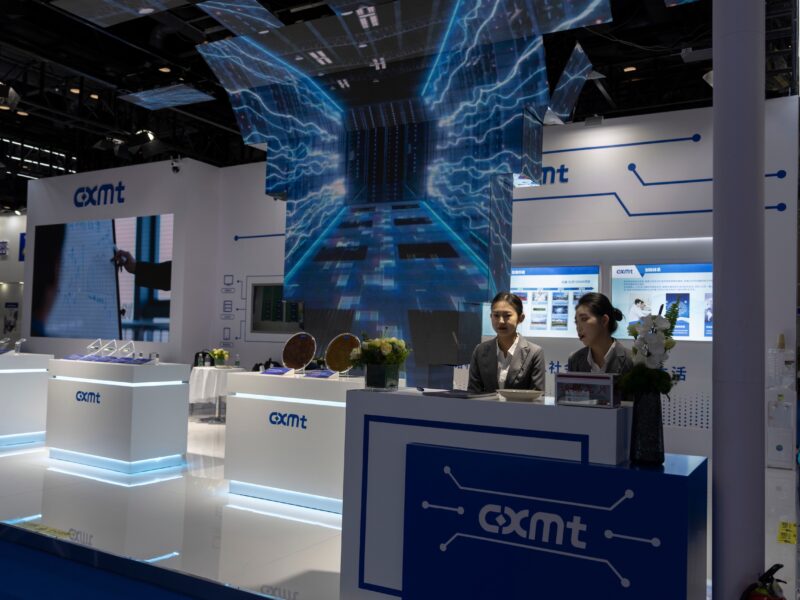
China's largest memory chipmaker, CXMT, made a blockbuster listing in Shanghai, raising at least $8.6 billion with its initial public offering (IPO). The company's shares surged 466% on their first day of trading, making it the most valuable listed on a mainland Chinese exchange, with an estimated market capitalization of about 3.3 trillion yuan ($487 billion). This listing is mainland China's second-largest IPO after Agricultural Bank of China's $22.1 billion share offering in Shanghai and Hong Kong in 2010.
CXMT's business has thrived due to the boom in artificial intelligence, with its revenue surging to 50.8 billion yuan ($7.5 billion) in the first three months of 2026, a more than 700% rise year-on-year. The company is among many chipmakers that have profited from China's push for self-sufficiency in leading-edge technologies while contending with limited access to advanced chipmaking machines due to American-led restrictions.
Legal and Regulatory Context
The US export controls on high-performance DRAM chips, such as HBM, have restricted China's ability to import these powerful chips. This has forced Chinese companies like CXMT to rely on domestic equipment makers, which can limit their access to the world's most advanced chipmaking tools. As a result, CXMT faces challenges in scaling up its manufacturing capacity and developing cutting-edge HBM chips.
Some US lawmakers have also called for blocking American companies from buying CXMT's memory chips over national and economic security concerns. This highlights the complex web of trade restrictions and regulatory issues that Chinese companies like CXMT must navigate.
Why It Matters
The listing of CXMT is significant not only for its financial implications but also for its potential impact on China's ability to develop cutting-edge technologies. As the world's largest memory chipmaker, CXMT plays a critical role in China's AI push and has been seen as the country's best shot at developing its own HBM chips.
However, the company faces significant challenges, including supply chain bottlenecks and trade restrictions on tools. Lawyers and compliance officers should watch for potential implications of US export controls on Chinese companies like CXMT, including the impact on their ability to develop cutting-edge technologies and the broader DRAM chip shortage.
Practical Implications
Lawyers and compliance officers should watch for potential implications of US export controls on Chinese companies like CXMT, including the impact on their ability to develop cutting-edge HBM chips and the broader DRAM chip shortage.
Source
Source: Original reporting via AP
How does this affect your business?
Get an AI analysis of this article grounded in your jurisdictions, practice areas, and any policy documents you've uploaded to Wansom.