
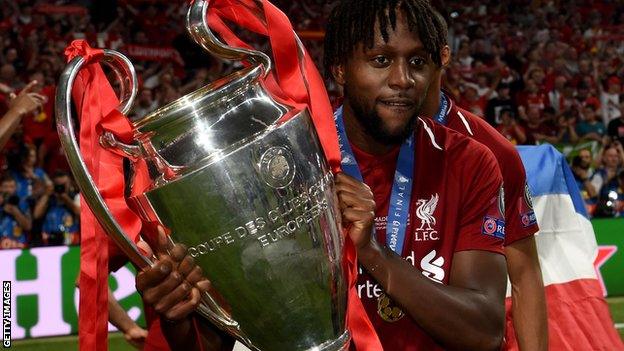
Divock Origi: Liverpool Champions League winner retires at age 31
Abstract
The recent announcement of Divock Origi's retirement from professional football at the age of 31, while a significant moment in sports, serves as a pertinent reminder for legal professionals of the complex legal landscape surrounding professional athletes' careers and their conclusion. This article explores the key legal considerations that arise from such a retirement, particularly within the Kenyan jurisdiction. It delves into aspects of contractual stability and termination under both international football regulations and domestic law, the evolving framework for image rights protection, and the intricate tax implications for athletes. By examining these areas, the article aims to provide practitioners with insights into advising athletes on managing their legal affairs throughout and beyond their active playing careers, highlighting the importance of robust legal planning.
Introduction
The news of Divock Origi, a celebrated Liverpool Champions League winner, announcing his retirement from professional football at the age of 31, as reported by KBC Kenya, marks a significant personal and sporting milestone. While the immediate focus is on his illustrious career and future endeavors, such an event inherently brings to the fore a myriad of complex legal considerations that are critical for professional athletes and their advisors. This development, though primarily a sports story, offers a valuable opportunity to examine the legal frameworks governing the careers of high-profile athletes, particularly within the context of Kenyan law and international sports regulations.
For legal practitioners, an athlete's retirement is not merely an end to a playing career but a trigger for a series of legal processes and obligations. These range from the termination of existing contracts and the management of intellectual property rights, particularly image rights, to navigating intricate tax implications and potential dispute resolution mechanisms. This article will dissect these crucial legal aspects, drawing on relevant Kenyan statutes, judicial pronouncements, and international sports law principles, to provide a comprehensive overview for attorneys advising athletes on their professional and post-professional lives.
Background
The legal framework governing professional sports in Kenya is primarily anchored in the Sports Act, 2013, which aims to facilitate sports development, ensure drug-free sports, and establish institutions for effective sports management. The Act defines a "professional sports person" as an individual engaged under a contract for engagement and remuneration, preparing or training for sports competitions. This statutory recognition underscores the contractual nature of professional athletic careers, making general principles of contract law, alongside specific sports regulations, highly relevant.
Internationally, professional football is governed by the Fédération Internationale de Football Association (FIFA) Regulations on the Status and Transfer of Players (RSTP). These regulations establish global and binding rules concerning player status, eligibility, and transfers between clubs, including provisions for contractual stability and termination. In Kenya, the Sports Act, 2013, also established the Sports Disputes Tribunal (SDT) as a specialist statutory body to hear and determine appeals, disputes, and disciplinary matters arising within Kenyan sport, including those related to contracts. This dual layer of regulation—international and domestic—creates a complex legal environment that athletes and their legal advisors must navigate.
Analysis
The retirement of a professional athlete like Divock Origi necessitates a meticulous review of existing contractual obligations. Professional football contracts, whether with clubs, national federations, or sponsors, typically contain clauses governing termination, often with specific notice periods or conditions for early cessation. The FIFA RSTP, for instance, includes provisions on maintaining contractual stability between professionals and clubs, outlining consequences for terminating a contract without just cause, which can include compensation and sporting sanctions. While Origi's retirement appears voluntary, any premature termination of a long-term contract could trigger these clauses, requiring careful negotiation to avoid disputes. In Kenya, the Employment Act, 2007, may also apply to professional players engaged under employment contracts with their clubs, extending statutory protections such as notice requirements and principles against unfair termination.
Beyond contractual termination, the management of image rights post-retirement is a critical legal area. In Kenya, there is currently no specific statutory legal framework solely governing image rights as intellectual property. However, legal protections are derived from a combination of constitutional rights—such as the right to privacy (Article 31), dignity (Article 28), and property (Article 40) of the Constitution of Kenya, 2010—as well as intellectual property laws like the Copyright Act, 2001, and common law principles like the tort of passing off. Notably, the draft Sports Bill, 2026, proposes to introduce Kenya's first express statutory right for sportspersons to control the commercial use of their name, image, and likeness, marking a significant shift from reliance on fragmented protections. This legislative development, if enacted, would provide a more robust framework for athletes to commercialize and protect their personal brand, even after retirement.
The taxation of income for professional athletes, both during and after their careers, presents another intricate legal challenge. Kenyan tax law, particularly the Income Tax Act, addresses the taxation of income derived by resident and non-resident athletes. Sections 41 and 42 of the Income Tax Act provide mechanisms for relief from double taxation for income earned abroad, either through deduction or credit methods, particularly where Kenya has Double Taxation Avoidance Agreements (DTAAs) with other countries. For locally based athletes, Pay As You Earn (PAYE) applies to regular salaries, while bonuses from prize competitions are subject to excise duty. Retirement benefits also have specific tax treatments under the Income Tax Act, with certain contributions being tax-deductible and a portion of retirement lump sums being tax-exempt. Proper tax planning and compliance are essential to avoid penalties and ensure financial stability post-career.
Finally, any disputes arising from contractual obligations, image rights, or other legal matters post-retirement would likely fall under the jurisdiction of the Sports Disputes Tribunal (SDT) in Kenya. Established under the Sports Act, 2013, the SDT is a quasi-judicial body designed to provide a specialized, accessible, and efficient forum for resolving sports-related disputes. While parties are generally expected to exhaust internal federation remedies first, the SDT offers a crucial avenue for redress, with its decisions being appealable to the Court of Arbitration for Sport (CAS) in international contexts or subject to judicial review by the High Court in Kenya. This specialized dispute resolution mechanism is vital for athletes seeking to enforce their rights or resolve conflicts arising from their professional careers.
Conclusion
Divock Origi's retirement underscores the multifaceted legal considerations inherent in the life cycle of a professional athlete's career. For legal practitioners, this event highlights the critical need for proactive and comprehensive legal advice spanning contract negotiation, intellectual property management, and financial planning, particularly concerning taxation and retirement benefits. The evolving legal landscape in Kenya, with the Sports Act, 2013, and the proposed Sports Bill, 2026, signifies a growing recognition of the unique legal needs of sportspersons.
Attorneys advising athletes must remain abreast of both domestic legislation and international sports regulations to ensure their clients' interests are protected throughout their careers and well into retirement. This includes drafting robust contracts, strategically managing image rights portfolios, optimizing tax positions, and understanding the avenues for dispute resolution. As the commercialization of sports continues to grow, the demand for specialized sports law expertise will only increase, making a thorough understanding of these legal dimensions indispensable for effective client representation.
Citations
- 1.Sports Act, 2013
- 2.Income Tax Act (Kenya)
- 3.Constitution of Kenya, 2010
- 4.Copyright Act, 2001
- 5.Employment Act, 2007
- 6.FIFA Regulations on the Status and Transfer of Players
- 7.Sports Disputes Tribunal (Kenya)
- 8.Draft Sports Bill, 2026
How does this affect your business?
Get an AI analysis of this article grounded in your jurisdictions, practice areas, and any policy documents you've uploaded to Wansom.