
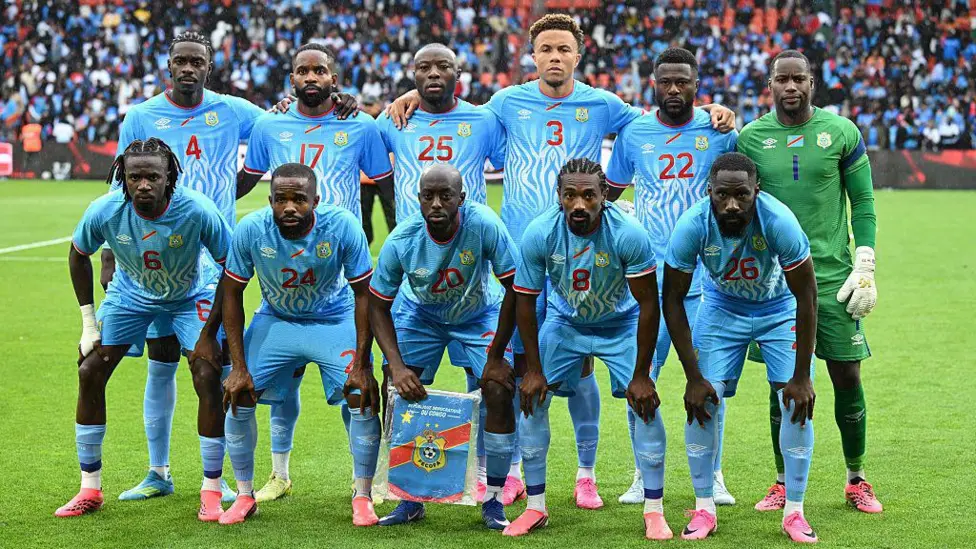
DR Congo friendly to be played behind closed doors
Abstract
The decision to play DR Congo's World Cup warm-up game against Chile behind closed doors due to an Ebola outbreak underscores the profound legal implications of public health emergencies on large-scale events. For legal practitioners in Ghana, this incident highlights the critical intersection of public health law and contract law. This article examines Ghana's legal framework, primarily the Public Health Act, 2012 (Act 851), and principles of force majeure, to provide guidance on managing contractual obligations and event disruptions during health crises. It emphasizes the need for robust legal preparedness and precise contractual drafting to navigate the complexities arising from such unforeseen circumstances, drawing lessons from past event cancellations in Ghana.
Introduction
For legal professionals in Ghana, understanding the intricate interplay between public health regulations and commercial contracts is paramount. This article aims to dissect the Ghanaian legal landscape governing public health emergencies and their consequential impact on events, focusing on the statutory powers vested in health authorities and the contractual mechanisms available to parties. By examining the relevant legislative instruments and common law principles, we seek to provide a framework for practitioners to advise clients effectively on risk mitigation and dispute resolution in the face of health-related event disruptions.
Background
Complementing this, the Ghana Health Service and Teaching Hospitals Act, 1996 (Act 525), established the Ghana Health Service (GHS) as an autonomous executive agency under the Ministry of Health. The GHS is mandated to implement national health policies, increase access to health services, and, crucially, establish effective mechanisms for disease surveillance, prevention, and control. Furthermore, Ghana is a State Party to the International Health Regulations (IHR) 2005, an international legal instrument binding on 196 States Parties, designed to protect against the international spread of diseases. The Minister for Health is responsible for giving effect to these regulations within Ghana, reinforcing the nation's commitment to global health security.
Analysis
Practitioners must advise clients on the necessity of drafting comprehensive force majeure clauses that explicitly address public health crises and government-imposed restrictions. This includes defining what constitutes a force majeure event, the notice requirements, the duration of suspension, and the ultimate remedies, such as termination or renegotiation. Furthermore, consideration should be given to ancillary contracts, such as broadcasting rights, sponsorship agreements, and ticketing arrangements, all of which would be impacted by event modifications or cancellations. The balance between public health protection and economic interests requires careful legal navigation, potentially involving negotiations for extensions, alternative performance, or compensation, depending on the contractual terms.
Conclusion
Legal professionals in Ghana must continue to monitor developments in public health policy and case law to provide robust advice. Ensuring that contracts adequately address the contingencies of epidemics, pandemics, and governmental health directives will be key to mitigating financial losses and legal disputes in an increasingly interconnected world where health crises can swiftly impact commercial ventures. Continuous engagement with clients on these issues, coupled with a proactive approach to legal preparedness, will be essential for navigating future public health challenges effectively.
Citations
- 1.Public Health Act, 2012 (Act 851)
- 2.Ghana Health Service and Teaching Hospitals Act, 1996 (Act 525)
- 3.Contracts Act, 1960 (Act 25)
- 4.International Health Regulations (2005)
- 5.Seadrill Ghana Operations Ltd v Tullow Ghana Ltd
- 6.National Sports Authority (NSA) directive on suspension of sporting activities (March 2020)
- 7.Ghana Football Association (GFA) suspension of competitions (March 2020)
How does this affect your business?
Get an AI analysis of this article grounded in your jurisdictions, practice areas, and any policy documents you've uploaded to Wansom.