
Education sector gets largest budget share at Ksh784.5B
Abstract
Kenya's education sector has secured the largest share of the National Government’s Budget Estimates for the 2026/27 Financial Year, with an allocation of Ksh784.5 billion. This significant funding, representing 26.6% of the total budget, aims to bolster quality learning, training, and research across all levels of education. The allocation underscores the government's commitment to fulfilling constitutional mandates regarding the right to education, despite recent legal challenges concerning funding models and accountability. Legal professionals must navigate a complex framework of constitutional provisions, statutes, and evolving case law to ensure equitable access, proper resource utilization, and compliance within the sector.
Introduction
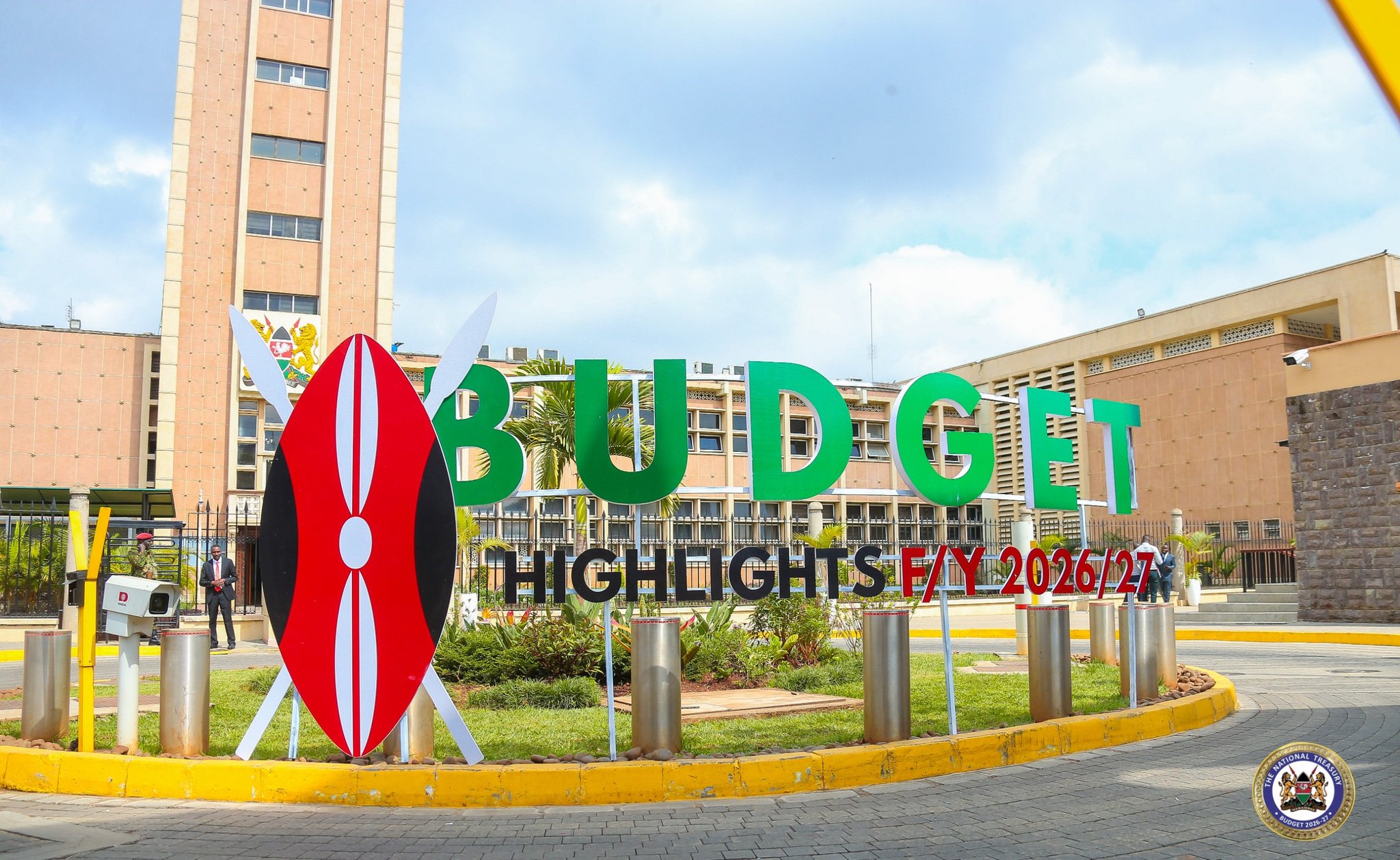
The Kenyan education sector is poised for substantial investment following the announcement of a Ksh784.5 billion allocation in the National Government’s Budget Estimates for the 2026/27 Financial Year. This figure represents 26.6% of the total ministerial budget, marking education as the largest recipient of government spending and an increase from the Ksh701.1 billion allocated in the previous financial year. Treasury Cabinet Secretary John Mbadi, while presenting the budget estimates in Parliament, emphasized the government's dedication to enhancing quality learning, training, and research, and dismissed claims of underfunding.
This significant financial commitment has profound legal implications for the administration, governance, and delivery of education in Kenya. It necessitates a close examination of how these funds align with the constitutional right to education, the statutory frameworks governing various educational institutions, and the ongoing legal discourse surrounding funding models and accountability. For legal practitioners, understanding this landscape is crucial for advising educational bodies, engaging in public interest litigation, and ensuring adherence to regulatory standards.
This article will delve into the legal framework underpinning education funding in Kenya, analyze the implications of the 2026/27 budget allocation in light of recent judicial pronouncements, and highlight key considerations for legal professionals operating within this vital sector.
Background
The right to education in Kenya is a fundamental constitutional entitlement. Article 43(1)(f) of the Constitution of Kenya, 2010, guarantees every person the right to education, while Article 53(1)(b) specifically provides for every child's right to free and compulsory basic education. Furthermore, the Constitution mandates the State to take measures, including affirmative action, to ensure youth access to relevant education and training (Article 55(a)) and to provide special opportunities for minorities and marginalized groups in education (Article 56(b)).
To give effect to these constitutional provisions, several key statutes have been enacted. The Basic Education Act, 2013 (No. 14 of 2013), promotes and regulates free and compulsory basic education, prohibiting public schools from charging tuition fees and establishing frameworks for school governance and special needs education. Higher education is governed by the Universities Act, 2012 (No. 42 of 2012), which established the Commission for University Education (CUE) to regulate and accredit universities, and the Universities Funding Board to oversee financing. Technical and Vocational Education and Training (TVET) is regulated by the TVET Act, 2013 (No. 29 of 2013), which provides for the establishment, governance, and management of TVET institutions. The Teachers Service Commission Act, 2012 (No. 20 of 2012), establishes the Teachers Service Commission (TSC) as the body responsible for teacher registration, employment, and discipline. The Kenya National Examinations Council Act, 2012 (No. 29 of 2012), establishes the Kenya National Examinations Council (KNEC) to set and maintain examination standards. The Public Finance Management Act, 2012, provides the overarching legal framework for the national budget process, ensuring accountability and transparency in public financial management.
Analysis
The Ksh784.5 billion allocation for the 2026/27 financial year, with significant portions directed towards teachers' salaries (Ksh424 billion for TSC), basic education (Ksh136.6 billion), higher education (Ksh163.9 billion), and TVET institutions (Ksh58.5 billion), demonstrates a clear governmental intent to operationalize the constitutional right to education. This funding is crucial for addressing staffing gaps, improving infrastructure, and supporting various capitation programmes, including free primary education (Ksh7 billion), free day secondary education (Ksh54.6 billion), and junior secondary school capitation (Ksh30.7 billion).
However, the implementation of such substantial allocations is not without legal complexities and potential challenges. Recent judicial interventions highlight the need for strict adherence to legal processes and principles of equity. For instance, the High Court, in a landmark ruling on December 20, 2024, declared the new university funding model (Variable Scholarship and Loan Funding – VSLF) unconstitutional, citing a lack of public participation and its discriminatory nature, which violated Article 27 of the Constitution and Section 53 of the Universities Act. While the Court of Appeal subsequently reinstated the model on March 26, 2025, pending a final decision, this case underscores the judiciary's role in scrutinizing education policy and funding mechanisms to ensure constitutional compliance.
Further, the High Court has also ruled against public schools imposing unauthorized levies on parents, emphasizing that basic education, as guaranteed by the Constitution, must be free. This ruling, alongside the case of *Michael Mutinda Mutemi v Permanent Secretary, Ministry Of Education & Ors* [2013] eKLR, Petition No. 133 of 2013, which stressed the government's obligation to demonstrate concrete policy measures for socio-economic rights, including education, reinforces the principle of accountability in education funding. The allocation for converting intern teachers to permanent and pensionable terms (Ksh4.9 billion for 20,000 teachers from January 2027, and Ksh8.2 billion for a further 24,000 in July 2027) will also require careful legal oversight to ensure fair employment practices and compliance with labour laws, particularly in light of past industrial disputes involving the Teachers Service Commission and teacher unions, where courts have often balanced the right to strike against the children's right to education.
The legal framework also places significant responsibilities on regulatory bodies such as the Commission for University Education (CUE) for quality assurance and accreditation, and the Kenya National Examinations Council (KNEC) for maintaining examination standards. The increased funding for these areas will necessitate robust legal and administrative mechanisms to prevent misuse of funds, ensure equitable distribution, and uphold the quality and integrity of educational outcomes across the country, including for marginalized groups as highlighted in *Reverend Ndoria Stephen v The Minister for Education & 2 Others*.
Conclusion
The substantial budget allocation to Kenya's education sector for the 2026/27 financial year presents both an opportunity and a challenge. While it signals a strong commitment to the constitutional right to education, its effective and lawful implementation will require diligent oversight from legal professionals. Practitioners must be prepared to advise educational institutions on compliance with the Basic Education Act, Universities Act, TVET Act, and other relevant statutes, particularly concerning financial management, procurement, and employment practices.
Furthermore, the evolving jurisprudence around education funding models and the prohibition of unauthorized levies indicates a heightened judicial scrutiny of the sector. Legal professionals should remain vigilant regarding policy changes, engage in public participation processes, and be ready to pursue or defend public interest litigation to ensure that the allocated funds genuinely translate into accessible, equitable, and quality education for all Kenyans, in line with constitutional guarantees and international human rights standards.
Citations
- 1.Constitution of Kenya, 2010
- 2.Basic Education Act, No. 14 of 2013
- 3.Universities Act, No. 42 of 2012
- 4.Technical and Vocational Education and Training Act, No. 29 of 2013
- 5.Teachers Service Commission Act, No. 20 of 2012
- 6.Kenya National Examinations Council Act, No. 29 of 2012
- 7.Public Finance Management Act, 2012
- 8.Michael Mutinda Mutemi v Permanent Secretary, Ministry Of Education & Ors [2013] eKLR, Petition No. 133 of 2013
- 9.Reverend Ndoria Stephen v The Minister for Education & 2 Others
- 10.Teachers Service Commission v Kenya National Union of Teachers & 3 others
- 11.KBC Kenya. "Education sector gets largest budget share at Ksh784.5B." June 11, 2026.
- 12.Dawan Africa. "Kenya Allocates KSh784.5 Billion to Education in 2026/27 Budget." June 11, 2026.
- 13.The Star. "Education allocation rises by Sh81.8bn to hit Sh784.5bn in 2026-27 budget." June 11, 2026.
- 14.Peoples Dispatch. "Kenya's High Court delivers blow to neoliberal university funding model." January 4, 2025.
- 15.Universities Fund. "Court of Appeal Reinstates Higher Education Funding Model." April 9, 2025.
- 16.Kenya Human Rights Commission (KHRC). "New flawed funding model threatens education." August 25, 2024.
- 17.Citizen TV. "Headteachers barred from charging fees not authorised by Ministry of Education." June 16, 2025.
How does this affect your business?
Get an AI analysis of this article grounded in your jurisdictions, practice areas, and any policy documents you've uploaded to Wansom.