
US FIFA President Gianni Infantino Accused of Bribery in World Cup Scandal
Summary
- FIFA president Gianni Infantino accused of bribery in US World Cup scandal
- House Judiciary Committee ranking member Jamie Raskin demands Infantino testify on quid pro quo with Trump administration
- Justice Department drops decadelong corruption lawsuit against top soccer officials, citing lack of resources
- FIFA used dynamic pricing and fraudulent sales tactics to force fans to pay exorbitant fees for World Cup tickets
- Federal Trade Commission accused of failing to act on anti-consumer conduct by FIFA
A Quid Pro Quo?
The latest development in this saga comes in the form of a letter written by House Judiciary Committee ranking member Jamie Raskin, who accused Infantino of engaging in 'outright bribery' with the Trump administration.
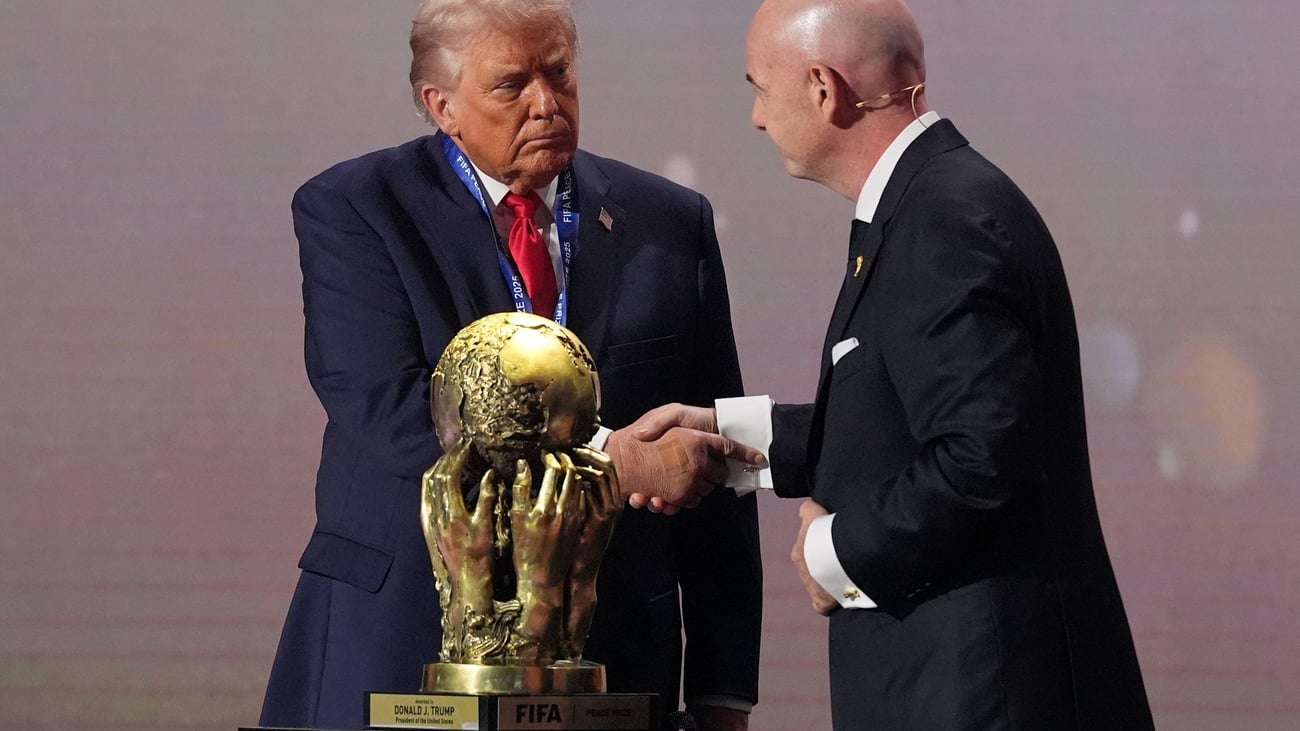
The FIFA president's alleged bribery of the Trump administration has sparked outrage among lawmakers, who are demanding answers about the soccer association's dealings with the White House. At the center of the controversy is Gianni Infantino, who was elected as FIFA president in 2016 after a corruption scandal led to the resignation of Sepp Blatter. However, instead of marking a clean break from the past, Infantino's tenure has been marred by allegations of favoritism and cronyism. The latest development in this saga comes in the form of a letter written by House Judiciary Committee ranking member Jamie Raskin, who accused Infantino of engaging in 'outright bribery' with the Trump administration. According to Raskin, the soccer association's president has been currying favor with the White House through various means, including awarding President Donald Trump the FIFA Peace Prize and leasing office space at Trump Tower in New York for use during the World Cup.
A Pattern of Behavior
Raskin's letter points to a pattern of behavior by Infantino that suggests a quid pro quo arrangement between the soccer association and the Trump administration. The Maryland Democrat notes that the Justice Department dropped a decadelong corruption lawsuit against top soccer officials earlier this year, citing a lack of resources as the reason for its decision. However, Raskin argues that this move was motivated by Infantino's efforts to ingratiate himself with the White House. He points to the fact that the FIFA president awarded Trump the FIFA Peace Prize soon after his re-election and leased office space at Trump Tower in New York for use during the World Cup as evidence of this arrangement.
Anti-Consumer Conduct
In addition to allegations of bribery, Raskin's letter also highlights anti-consumer conduct by FIFA surrounding its ticket prices for this year's World Cup. The soccer association used dynamic pricing and fraudulent sales tactics to force fans to pay exorbitant fees – as much as $33,000 in some cases – to attend World Cup matches. This behavior has raised concerns among lawmakers, who argue that the Federal Trade Commission failed to act on these allegations. Raskin notes that this is 'plainly unlawful, anti-consumer conduct' and demands answers from Infantino about what he knew about these practices.
Practical Implications
Lawyers and compliance officers should watch for potential anti-trust and consumer protection implications of the alleged bribery and price-fixing scheme, as well as the impact on international sports governance and regulatory oversight.
Source
How does this affect your business?
Get an AI analysis of this article grounded in your jurisdictions, practice areas, and any policy documents you've uploaded to Wansom.