
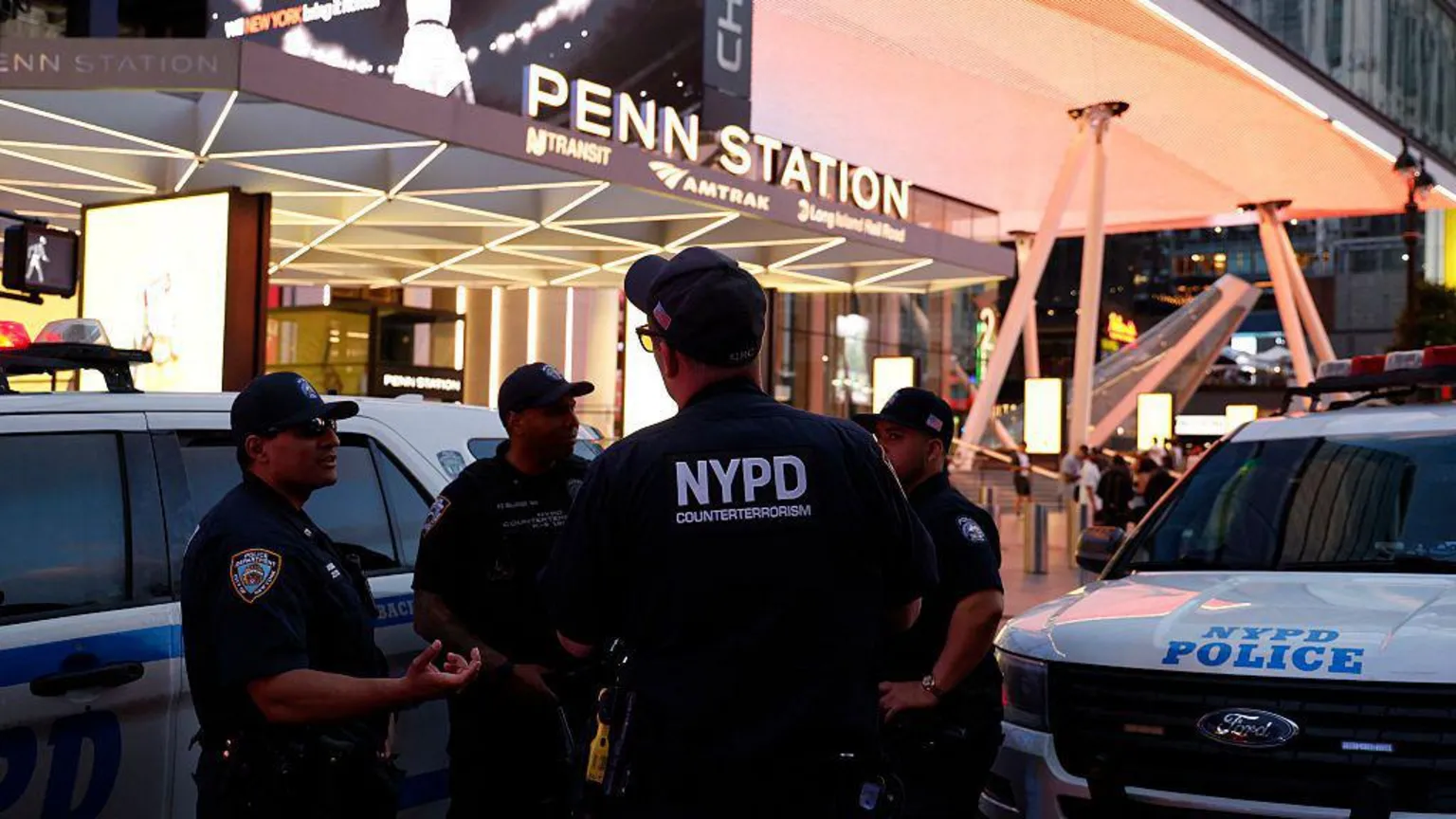
Five people injured in stabbing at New York City’s Penn Station
Abstract
A recent stabbing incident at New York City's Penn Station, resulting in five injuries, prompts a critical examination of Ghana's legal framework concerning public safety, criminal liability, and victim redress in similar public transport environments. While the event occurred internationally, its implications resonate with ongoing discussions in Ghana regarding the duties of public premises owners and transport operators to ensure passenger safety. This article delves into the Ghanaian Criminal Offences Act, 1960 (Act 29), the Police Service Act, 1970 (Act 350), and the Railways Act, 2008 (Act 779), alongside recent developments in victim compensation and the introduction of compulsory Public Liability Insurance under the Insurance Act, 2021 (Act 1061). It highlights the evolving landscape of legal obligations and avenues for recourse for victims of crime in public spaces within Ghana.
Introduction
The distressing news of a stabbing incident at New York City’s Penn Station, which left five individuals injured, serves as a stark reminder of the persistent challenges in ensuring public safety within bustling transport hubs. While this particular event unfolded on foreign soil, it compels legal professionals in Ghana to consider how such an incident would be addressed under domestic law. The safety and security of commuters in public spaces, including railway stations and other transport terminals, remain paramount, necessitating a robust legal framework to deter criminal acts, hold perpetrators accountable, and provide adequate redress for victims.
This article aims to provide a comprehensive overview of the Ghanaian legal landscape that would govern a similar incident occurring within Ghana. It will explore the relevant criminal statutes, the duties imposed on law enforcement and public transport authorities, and the mechanisms available for victims to seek compensation. The analysis will particularly focus on recent legislative developments, such as the introduction of compulsory Public Liability Insurance, which represents a significant shift in the legal obligations of premises owners and operators in safeguarding the public.
Background
Ghana's legal system, rooted in common law, provides a structured approach to addressing criminal offenses and civil liabilities. The primary legislation governing criminal acts is the Criminal Offences Act, 1960 (Act 29), which defines various offenses against persons, property, and public order. Complementing this is the Police Service Act, 1970 (Act 350), which outlines the mandate and functions of the Ghana Police Service, primarily to prevent and detect crime, apprehend offenders, and maintain public order and safety.
In the context of public transport infrastructure, the Ghana Railway Development Authority (GRDA) was established under the Railways Act, 2008 (Act 779). This statutory body is tasked with the development, regulation, and modernization of Ghana's railway systems, including the enforcement of safety and security standards for construction and operations. While the GRDA's mandate focuses on the railway sector, the broader responsibility for public safety across all transport modes and public spaces falls under the purview of the Ghana Police Service, which is constitutionally mandated to maintain law and order.
Analysis
A stabbing incident in a public transport hub in Ghana would primarily trigger criminal proceedings under the Criminal Offences Act, 1960 (Act 29). Depending on the severity of the injuries and the intent of the perpetrator, charges could range from 'Causing Harm' under Section 69, defined as bodily hurt, disease, or disorder, temporary or permanent, to more serious offenses like attempted murder. The use of an offensive weapon would also constitute a distinct offense. Key to successful prosecution would be establishing the elements of intent or negligence, as outlined in Sections 11 and 12 of Act 29, and demonstrating that the harm was caused unlawfully, without legal justification.
Beyond criminal liability, the incident would raise questions of public safety obligations and premises liability. The Ghana Railway Development Authority (GRDA), as the regulatory body for railways, is explicitly mandated to enforce safety and security standards for railway operations. This implies a duty to ensure reasonable security measures are in place to protect commuters. More broadly, occupiers of public premises, including transport stations, owe a duty of care to their lawful visitors to ensure their reasonable safety, a principle generally governed by the law of torts and the Occupiers Liability Act 1984 (though the specific Ghanaian Act reference is often contextualised with UK law).
A significant legal development impacting premises liability in Ghana is the enactment of the Insurance Act, 2021 (Act 1061). This Act has made Public Liability Insurance compulsory for certain classes of properties, including office spaces, banks, shopping malls, and hospitals. While railway stations are not explicitly listed in the provided snippets, the general intent to protect the public in commercial and public spaces suggests that large transport hubs could fall under the ambit of premises requiring such insurance. This development provides a crucial avenue for victims to seek compensation for injuries or damages sustained on such premises, irrespective of the outcome of criminal proceedings, by indemnifying businesses against legal liabilities arising from accidents or injuries to third parties.
Historically, direct compensation for victims through Ghana's criminal justice system has been limited, often requiring victims to pursue separate civil actions for damages after criminal prosecution. This process can be protracted and burdensome for traumatised victims. However, there have been growing calls for legislative amendments to strengthen victim compensation provisions, as highlighted by judicial pronouncements advocating for changes to laws like Section 101 of the Criminal and Other Offences Act, 1969 (Act 29), particularly for victims of sexual offenses, to encourage reporting and provide redress. Furthermore, the Courts Act 1993 (Act 459) and the Alternative Dispute Resolution Act 2010 (Act 798) facilitate victim-offender mediation in non-felony cases, allowing for amicable settlements that may include compensation. Additionally, Regulation 30 of an unspecified Act allows victims of serious offenses or their representatives to apply to the Court for compensation, indicating a gradual shift towards more direct victim support.
Conclusion
The Penn Station stabbing underscores the critical need for robust legal frameworks to ensure public safety in high-traffic areas. For legal practitioners in Ghana, this incident serves as a pertinent case study to review the application of domestic laws. Attorneys must be well-versed in the Criminal Offences Act, 1960 (Act 29), to advise on potential criminal charges and defenses, and understand the investigative powers and duties of the Ghana Police Service. Furthermore, a thorough understanding of the Ghana Railway Development Authority's mandate under the Railways Act, 2008 (Act 779), and the broader principles of occupiers' liability, is essential for advising public transport operators and premises owners on their safety obligations.
Crucially, practitioners should note the transformative impact of the Insurance Act, 2021 (Act 1061), which mandates Public Liability Insurance for certain public establishments. This development significantly enhances avenues for victim compensation and places a greater onus on premises owners to implement stringent safety protocols. As Ghana continues to develop its public infrastructure, legal professionals will play a vital role in advocating for comprehensive safety measures, ensuring accountability for lapses, and securing appropriate redress for victims, thereby contributing to a safer environment for all citizens.
Citations
- 1.Criminal Offences Act, 1960 (Act 29)
- 2.Police Service Act, 1970 (Act 350)
- 3.Railways Act, 2008 (Act 779)
- 4.Insurance Act, 2021 (Act 1061)
- 5.Courts Act 1993 (Act 459)
- 6.Alternative Dispute Resolution Act 2010 (Act 798)
- 7.Occupiers Liability Act 1984
How does this affect your business?
Get an AI analysis of this article grounded in your jurisdictions, practice areas, and any policy documents you've uploaded to Wansom.