
Ghana declares first Child Labour-Free Zones in Ashanti, Western North with JICA support
Abstract
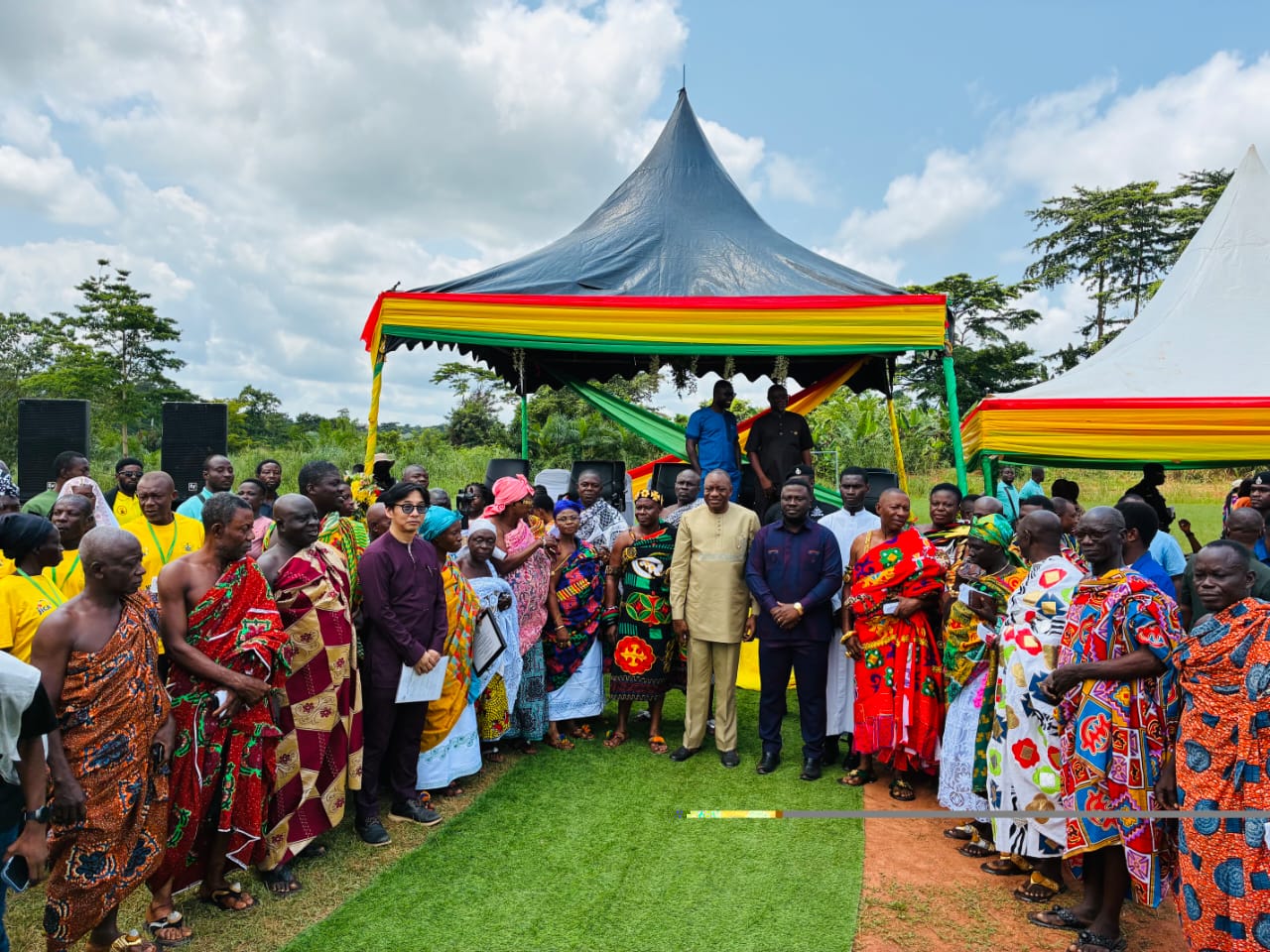
Ghana has achieved a significant milestone in its fight against child labour by officially declaring three cocoa-growing communities in the Ashanti and Western North Regions as the country’s first Child Labour-Free Zones (CLFZs). This declaration, made with the support of the Japan International Cooperation Agency (JICA) and other partners, marks a critical step in operationalising Ghana’s commitment to eradicate child labour, particularly in its vital cocoa sector. The CLFZ model aims to establish sustainable community-based systems that enhance child protection, improve access to education, and strengthen mechanisms to prevent children from engaging in exploitative labour. This initiative aligns with national policies and international obligations, setting a precedent for future expansion across the nation.
Introduction
Ghana has taken a decisive step towards eradicating child labour with the official declaration of its first Child Labour-Free Zones (CLFZs) in three cocoa-growing communities within the Ashanti and Western North Regions. This landmark achievement, announced by the Minister of Labour, Jobs and Employment, Dr. Abdul-Rashid Hassan Pelpuo, signifies a tangible translation of national and international commitments into practical, community-level action. The initiative, supported by the Japan International Cooperation Agency (JICA) and a consortium of stakeholders, is poised to transform the landscape of child protection and sustainable development in Ghana’s economically crucial cocoa industry.
The establishment of these CLFZs is not merely a symbolic gesture but represents a multi-faceted legal and policy advancement. It underscores Ghana's dedication to safeguarding children's rights, improving educational outcomes, and fostering resilient communities capable of self-monitoring and remediation against child labour. For legal professionals, this development highlights evolving compliance standards for supply chains, particularly in the agricultural sector, and signals a heightened focus on corporate social responsibility and human rights due diligence within Ghana and for international partners engaging with Ghanaian produce.
Background
Ghana's commitment to combating child labour is enshrined in its foundational legal instruments and international obligations. The 1992 Constitution of the Republic of Ghana guarantees the fundamental rights of children, including protection from work that harms their health, education, or development. This constitutional mandate is further elaborated in the Children's Act, 1998 (Act 560), which sets the minimum age for light work at 13 years and prohibits exploitative labour, defining it as work detrimental to a child's health, education, and development. The Act also stipulates 18 years as the minimum age for hazardous work. Complementing this, the Labour Act, 2003 (Act 651), while primarily addressing adult employment, reinforces protections for young persons, though its definition of "young person" (18-21 years) means specific child labour prohibitions are primarily found in the Children's Act.
Internationally, Ghana was the first country to ratify the United Nations Convention on the Rights of the Child in 1990, demonstrating an early recognition of children's rights to protection from economic exploitation. The nation has also ratified key International Labour Organization (ILO) Conventions, including Convention No. 182 on the Worst Forms of Child Labour (1999) in 2000, and Convention No. 138 on Minimum Age (1973) in 2011. These international instruments have significantly shaped Ghana's domestic policy, leading to the development of successive National Plans of Action for the Elimination of Child Labour. The current framework, the Ghana Accelerated Action Plan Against Child Labour (GAAPACL) 2023-2027, builds on previous efforts and sets ambitious targets for reducing child labour, particularly in high-risk sectors like cocoa and mining.
Despite this robust legal and policy framework, child labour remains a persistent challenge in Ghana, with a significant proportion of children, particularly in rural areas, engaged in economic activities, often in the agricultural sector. To address this, the concept of Child Labour-Free Zones was introduced under the National Plan of Action for the Elimination of the Worst Forms of Child Labour, leading to the development of specific guidelines and protocols for their establishment in 2020. These guidelines provide a standardised set of criteria for government institutions, communities, companies, and civil society organisations to collaborate in building comprehensive child protection systems.
Analysis
The declaration of the first Child Labour-Free Zones in the Ashanti and Western North Regions represents a pivotal moment in Ghana's strategy to combat child labour. These zones are not merely geographical designations but embody a comprehensive model designed to create sustainable community systems that actively protect children from labour, enhance their access to quality education, and strengthen local child protection mechanisms. This model is deeply integrated with the broader objectives of the Ghana Accelerated Action Plan Against Child Labour (GAAPACL) 2023-2027, which aims to halve child labour in priority sectors, including agriculture, by 2027, and aligns with the United Nations Sustainable Development Goal Target 8.7 to eradicate child labour by 2025.
The success of these CLFZs is predicated on a multi-stakeholder approach, bringing together government institutions, district assemblies, traditional authorities, schools, civil society organisations, communities, and private sector actors. The Japan International Cooperation Agency (JICA) has played a crucial role since 2024, providing financial, technical, and logistical support for implementing the CLFZ guidelines through institutional strengthening, assessment systems, and targeted community-level interventions. This collaborative framework is essential for addressing the root causes of child labour, such as poverty and lack of access to education, through integrated solutions like climate-smart agriculture, which boosts livelihoods and reduces reliance on child labour.
From a legal perspective, the CLFZs reinforce existing statutory provisions by creating a localised enforcement and monitoring ecosystem. Community Child Protection Committees (CCPCs), supported by the government and various organisations, are instrumental in identifying, reporting, and remediating child labour cases. These committees work alongside social services and youth employment schemes to ensure children are withdrawn from exploitative work and provided with safe alternatives, including educational opportunities. While Ghana possesses a comprehensive legal framework, historical challenges in effective enforcement due to resource constraints, such as an insufficient number of labour inspectors, have been noted. The CLFZ model seeks to mitigate these gaps by empowering local structures and fostering community ownership, thereby enhancing the practical application of child labour laws.
Furthermore, the initiative's focus on the cocoa sector is particularly pertinent, given its economic significance and the documented prevalence of child labour within it. The CLFZs aim to improve cocoa traceability systems and child protection case management, aligning private child labour monitoring and remediation systems (CLMRS) with the national Ghana Child Labour Monitoring System (GCLMS). This integration is vital for ensuring accountability across the cocoa supply chain and for demonstrating tangible progress to international markets and consumers increasingly demanding ethically sourced products. The lessons learned from these initial three zones are expected to inform the nationwide expansion of the programme, indicating a scalable and adaptable approach to child labour eradication.
Conclusion
The declaration of Ghana's first Child Labour-Free Zones represents a significant stride in the nation's enduring commitment to eliminate child labour. This initiative not only strengthens the domestic legal and policy framework but also enhances Ghana's standing on the global stage as a responsible producer, particularly within the critical cocoa sector. For legal practitioners, this development signals an intensified regulatory and reputational risk landscape for businesses operating in or sourcing from Ghana. Companies are increasingly expected to demonstrate robust human rights due diligence, transparent supply chains, and active engagement in community-level child protection efforts to ensure compliance with both Ghanaian law and international ethical standards.
Looking ahead, the success and expansion of the CLFZ model will depend on sustained political will, adequate resource allocation, and continued multi-stakeholder collaboration. Legal professionals have a crucial role to play in advising clients on compliance strategies, developing ethical sourcing policies, and facilitating partnerships that support these community-led initiatives. Monitoring the evolution of these zones, the effectiveness of their monitoring and remediation mechanisms, and the eventual nationwide rollout will be essential for all stakeholders committed to a future where every child in Ghana can learn, grow, and thrive free from exploitation.
Citations
- 1.Constitution of the Republic of Ghana, 1992
- 2.Children's Act, 1998 (Act 560)
- 3.Labour Act, 2003 (Act 651)
- 4.Human Trafficking Act, 2005 (Act 694)
- 5.ILO Convention No. 138 (Minimum Age), 1973
- 6.ILO Convention No. 182 (Worst Forms of Child Labour), 1999
- 7.UN Convention on the Rights of the Child, 1989
- 8.Ghana Accelerated Action Plan Against Child Labour (GAAPACL) 2023-2027
- 9.Guidelines and Protocols for Establishing Child Labour-Free Zones, 2020
How does this affect your business?
Get an AI analysis of this article grounded in your jurisdictions, practice areas, and any policy documents you've uploaded to Wansom.