
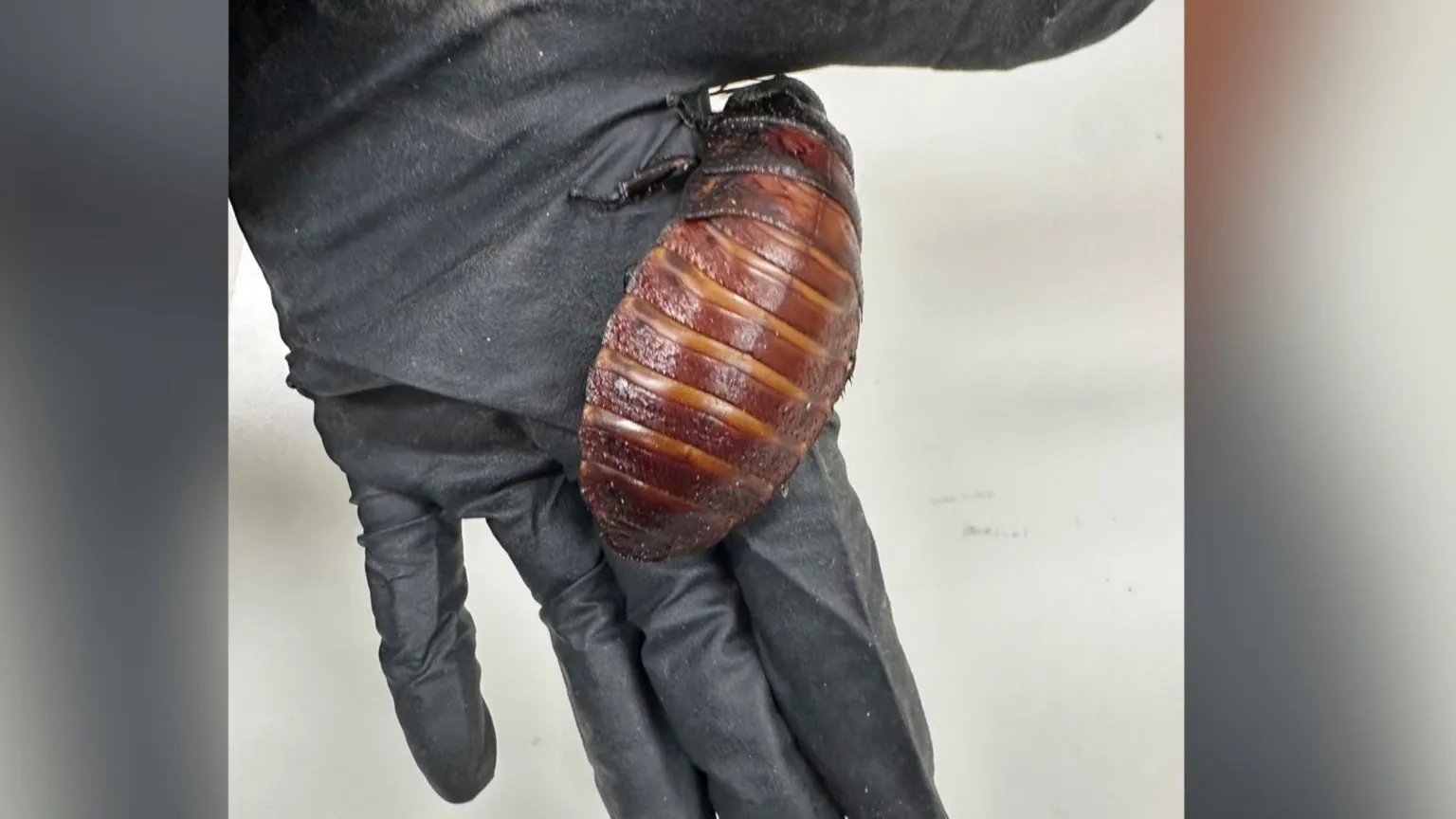
Giant hissing cockroaches among $200,000 worth of illegal insects seized in Australia
Abstract
Australian authorities recently executed a significant seizure of over 100,000 illegal exotic cockroaches, including Madagascar hissing cockroaches and dubia cockroaches, from a commercial breeder in New South Wales. This operation, valued at approximately AUD $200,000, marks the country's largest confiscation of illegal exotic invertebrates to date. The incident underscores Australia's stringent biosecurity framework, primarily governed by the *Biosecurity Act 2015* (Cth) and the *Environment Protection and Biodiversity Conservation Act 1999* (Cth), which strictly regulate the import, possession, breeding, and trade of non-native species. The legal rationale behind these prohibitions is to safeguard Australia's unique biodiversity, agricultural industries, and public health from the severe risks posed by invasive species and potential disease transmission. Practitioners must be acutely aware of the broad reach of these biosecurity laws, which impose substantial penalties for non-compliance, extending beyond mere importation to include domestic keeping and commercial dealing.
Introduction
Australian authorities have recently made headlines with the unprecedented seizure of more than 100,000 illegal exotic cockroaches, including species such as Madagascar hissing cockroaches and dubia cockroaches, from a commercial breeding operation in Bathurst, New South Wales. This substantial haul, estimated to be worth up to AUD $200,000, represents the largest confiscation of illegal exotic invertebrates in Australia's history. The incident serves as a stark reminder of Australia's unwavering commitment to its robust biosecurity regime and the severe legal ramifications for individuals and businesses that contravene these protective measures.
Background
Australia maintains one of the world's most rigorous biosecurity systems, designed to protect its unique environment, agricultural industries, and human health from exotic pests and diseases. The primary legislative instrument at the federal level is the *Biosecurity Act 2015* (Cth), which superseded the *Quarantine Act 1908* (Cth) and provides a comprehensive framework for managing biosecurity risks at the national border and within Australian territory. This Act is co-administered by the Minister responsible for Agriculture and the Minister responsible for Health and aims to prevent the entry, establishment, and spread of harmful biosecurity matter. Under this Act, the importation of certain goods, including live animals and insects, is either prohibited entirely or subject to strict conditions and permit requirements.
Analysis
The seizure of the exotic cockroaches falls squarely within the ambit of both federal and state biosecurity legislation. Federally, the *Biosecurity Act 2015* (Cth) prohibits the bringing or importation of goods into Australian territory if they are 'prohibited goods' or 'conditionally non-prohibited goods' without the necessary permits and compliance with conditions. Exotic insects, such as the Madagascar hissing cockroaches and dubia cockroaches, are not listed on Australia's Live Import List, meaning they cannot be legally imported, kept, bred, or sold, regardless of how they were obtained. This prohibition stems from the fact that these species have not undergone environmental risk assessments and pose significant threats to native wildlife, agriculture, and biosecurity through the potential spread of disease or by becoming invasive species.
Further, the *Environment Protection and Biodiversity Conservation Act 1999* (Cth) (EPBC Act) is Australia's central piece of environmental legislation, providing a framework for the protection of the environment and conservation of biodiversity. While the *Biosecurity Act 2015* (Cth) primarily addresses border control and pest management, the EPBC Act also plays a role in regulating the import and trade of wildlife, particularly species that could impact nationally protected matters. Importing regulated wildlife without a valid wildlife trade permit is an offence under the EPBC Act, carrying maximum penalties of imprisonment for 10 years or 1,000 penalty units, or both.
At the state level, the *Biosecurity Act 2015* (NSW) complements the federal framework, establishing a 'general biosecurity duty' on every person in New South Wales to prevent, eliminate, or minimise any biosecurity risk they encounter. This duty extends to individuals who deal with biosecurity matter, including exotic pests. The Act regulates pest animals and declares certain insect species as pests, requiring written approval from the NSW Department of Primary Industries (DPI) for any proposed live insect species for rearing or processing. The commercial breeding operation in Bathurst, therefore, likely breached both federal import prohibitions and state-level possession and breeding regulations.
The penalties for breaching these laws are substantial. Under the *Biosecurity Act 2015* (Cth), contravening conditions applying to conditionally non-prohibited goods or possessing prohibited goods can lead to significant fines and imprisonment. Similarly, the *Customs Act 1901* (Cth) makes it an offence to import prohibited goods, with penalties varying based on the type of goods and circumstances, including fines and imprisonment. The Department of Climate Change, Energy, Environment and Water (DCCEEW) has explicitly warned that individuals found possessing, breeding, or trading exotic cockroaches could face penalties under federal law, and the seized insects are being euthanised to mitigate biosecurity risks.
Conclusion
This record-breaking seizure of illegal exotic cockroaches serves as a critical reminder for legal practitioners and their clients engaged in any form of trade or hobby involving live organisms in Australia. The nation's biosecurity laws are comprehensive and strictly enforced, reflecting a deep-seated commitment to protecting its unique ecosystems and agricultural industries. Attorneys advising clients on import, export, or domestic possession of animals, plants, or biological materials must conduct thorough due diligence to ensure compliance with both Commonwealth legislation, such as the *Biosecurity Act 2015* (Cth) and the *Environment Protection and Biodiversity Conservation Act 1999* (Cth), and relevant state-specific biosecurity acts, like the *Biosecurity Act 2015* (NSW). The 'general biosecurity duty' in NSW, in particular, places a broad obligation on individuals to manage biosecurity risks.
The incident highlights the ongoing vigilance of Australian authorities and the severe penalties, including substantial fines and imprisonment, that can be imposed for non-compliance. Legal professionals should proactively educate clients, especially those in commercial breeding or pet-related businesses, about the specific prohibitions and permit requirements for exotic species. The message from Australian authorities is clear: ignorance of the law is no defence, and the risks associated with illegal wildlife trade, even for seemingly innocuous invertebrates, are taken with the utmost seriousness.
Citations
- 1.Biosecurity Act 2015 (Cth)
- 2.Biosecurity Regulation 2016 (Cth)
- 3.Environment Protection and Biodiversity Conservation Act 1999 (Cth)
- 4.Customs Act 1901 (Cth)
- 5.Biosecurity Act 2015 (NSW)
- 6.Armstrong Legal. (n.d.). Importation of Wildlife | Criminal Offences.
- 7.Brightstone Defence. (n.d.). Illegal Wildlife Trading and Trafficking Offences - Criminal Defence Lawyers.
- 8.Department of Agriculture, Fisheries and Forestry. (2025, April 8). Pest and disease surveillance at Australia's borders.
- 9.Department of Agriculture, Fisheries and Forestry. (2023, March 30). The Biosecurity Act 2015.
- 10.Department of Agriculture, Fisheries and Forestry. (2025, July 22). Legislation - DAFF.
- 11.Department of Climate Change, Energy, Environment and Water. (2026, June 5). Australia seizes over 100,000 illegal exotic cockroaches in largest invertebrate bust yet.
- 12.Department of Climate Change, Energy, Environment and Water. (2026, June 9). More Than 100,000 Illegal Exotic Cockroaches Were Seized by Australian Authorities in a Record-Setting Bug Bust.
- 13.Department of Climate Change, Energy, Environment and Water. (2025, December 19). What's protected under the EPBC Act.
- 14.Department of Climate Change, Energy, Environment and Water. (2026, April 21). Threatened species under the EPBC Act.
- 15.Hunter-ed.com. (n.d.). Biosecurity Act 2015.
- 16.Insect Protein Association of Australia. (n.d.). Insects as food — Insect Protein Association of Australia.
- 17.Kingston Fox Lawyers. (n.d.). Importation of Prohibited Goods.
- 18.MyJoyOnline Ghana. (n.d.). Giant hissing cockroaches among $200,000 worth of illegal insects seized in Australia.
- 19.NSW Department of Primary Industries. (2020, June). Prohibited matter – pests and diseases of animals (Primefact 1551, Second edition).
- 20.NSW Department of Primary Industries. (n.d.). Established pest animals.
- 21.NSW Department of Primary Industries. (n.d.). Pest animals.
- 22.NSW Food Authority. (n.d.). EDIBLE INSECTS.
- 23.Parliament of Australia. (n.d.). Taking Control: a national approach to pest animals.
- 24.Sprintlaw. (2026, June 7). Biosecurity Act 2015 (Cth) | Business Law Library.
- 25.Western Australian Government. (2025, October 9). Duo fined for illegal exotic animal keeping.
How does this affect your business?
Get an AI analysis of this article grounded in your jurisdictions, practice areas, and any policy documents you've uploaded to Wansom.