
Growing backlash in Japan over Trump’s use of anime characters
Abstract
The unauthorized use of popular anime characters by former US President Donald Trump in social media posts has sparked a legal and cultural backlash in Japan, highlighting the complex interplay of international intellectual property law. This article examines the divergent approaches to copyright protection and exceptions, particularly concerning fair use and parody, under Japanese and US legal frameworks. While US law offers a robust fair use defense for transformative uses like political commentary, Japanese copyright law provides narrower, enumerated exceptions. The analysis delves into the implications of the Berne Convention and TRIPS Agreement, which mandate national treatment and minimum protection standards, underscoring the challenges rights holders face in enforcing their intellectual property across jurisdictions, especially against political figures whose actions may invoke free speech considerations.
Introduction
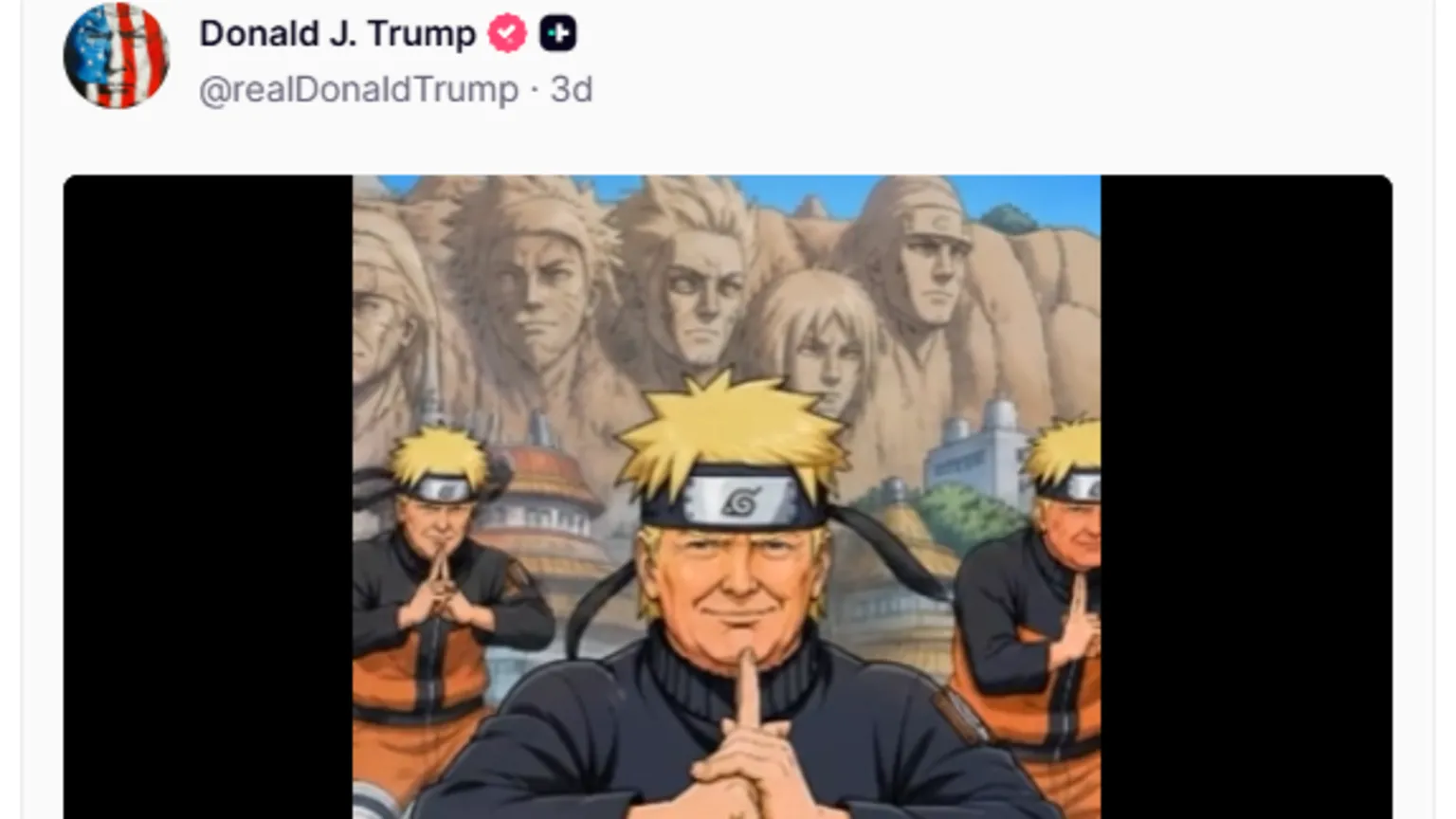
The digital age has blurred geographical boundaries, making the unauthorized use of copyrighted material a global concern. A recent instance involving former US President Donald Trump's use of popular Japanese anime and manga characters in his social media communications has ignited a significant backlash in Japan, drawing attention to the intricate legal landscape governing intellectual property across borders. This development, reported by outlets such as MyJoyOnline Ghana, underscores the growing tension between creative rights, political expression, and the varying interpretations of copyright law in different jurisdictions.
This article aims to provide a comprehensive legal analysis for practising attorneys and legal professionals, dissecting the potential copyright infringement claims arising from such unauthorized uses. It will explore the relevant intellectual property frameworks in Japan and the United States, examining how each jurisdiction approaches the protection of fictional characters and the exceptions to copyright infringement, such as fair use and parody. Furthermore, the article will consider the role of international treaties in harmonizing global copyright standards and the practical implications for rights holders seeking to protect their creations in an interconnected world.
The core legal question revolves around whether the use of these characters constitutes copyright infringement and, if so, what defenses might be available. The differing legal philosophies of Japan, with its statutory exceptions, and the US, with its flexible fair use doctrine, present a fascinating case study in cross-border intellectual property disputes, particularly when political speech is involved.
Background
Copyright law generally grants creators exclusive rights to reproduce, distribute, perform, display, and create derivative works from their original creations. Fictional characters, especially those that are distinctive and well-delineated, can be protected under copyright law, separate from the underlying works in which they appear. This protection is crucial for industries like anime and manga, where characters are significant sources of revenue through merchandising and licensing.
Internationally, the Berne Convention for the Protection of Literary and Artistic Works, to which both Japan and the United States are signatories, establishes fundamental principles of copyright protection. These include national treatment, meaning that works originating in one member state receive the same protection in other member states as those states accord to their own nationals, and automatic protection, where rights exist without the need for registration. The Berne Convention also mandates minimum standards for protection, including a general term of protection for the author's life plus 50 years, and recognizes moral rights, such as the right to object to derogatory modifications of a work. The Agreement on Trade-Related Aspects of Intellectual Property Rights (TRIPS Agreement) further reinforces these standards, incorporating many provisions of the Berne Convention and setting minimum requirements for intellectual property enforcement among World Trade Organization member nations.
However, despite these international agreements, significant differences persist in how national laws define the scope of copyright protection and, crucially, the exceptions to infringement. These differences become particularly pronounced when considering concepts like fair use or parody, which are central to the current controversy.
Analysis
In the United States, the use of copyrighted material without permission may be excused under the doctrine of fair use, codified in Section 107 of the Copyright Act of 1976. This doctrine requires a case-by-case analysis considering four factors: (1) the purpose and character of the use (including whether it is commercial or for non-profit educational purposes, and whether it is transformative); (2) the nature of the copyrighted work; (3) the amount and substantiality of the portion used; and (4) the effect of the use upon the potential market for or value of the copyrighted work. Political commentary and parody often receive strong protection under fair use, as they are considered transformative uses that serve the public interest in free expression. However, a distinction is often drawn between parody, which targets the original work itself for humorous criticism, and satire, which uses the copyrighted work to comment on something else, with parody generally receiving greater latitude.
Conversely, Japanese copyright law, primarily governed by the Copyright Act of Japan (Chosakuken-hō), does not feature a broad, flexible fair use doctrine akin to that in the US. Instead, it relies on a system of enumerated statutory exceptions that permit specific uses of copyrighted works without permission, such as for private use, quotation, educational purposes, and news reporting. The protection of characters under Japanese law focuses on the 'expression' rather than the 'idea,' meaning that the visual appearance of an anime or manga character is protected, but abstract concepts like names or personalities are generally not considered 'works' under the Copyright Act. Parody is not explicitly recognized as a permissive use and can be deemed an infringement, particularly if it violates the author's moral rights, such as the right of integrity, by modifying the work in a derogatory manner. The Japanese government has, through diplomatic channels, conveyed its views on unauthorized use of copyrighted works to the US side, emphasizing the basic principle of obtaining permission.
This divergence creates a significant legal challenge. While Trump's use of anime characters might be argued as political commentary or satire, potentially falling under fair use in the US, it would likely face a much stricter interpretation under Japanese law. Japanese rights holders would need to demonstrate that the use constitutes reproduction or adaptation without permission, and that it falls outside the narrow statutory exceptions. The 'backlash' itself, as reported, indicates a concern among rights holders about the potential damage to the characters' image and commercial value, even if a direct lawsuit is not immediately pursued. Trademark law could offer an alternative avenue for protection in Japan, especially for well-known characters, as it protects against unauthorized use that could cause confusion or dilute the brand.
Conclusion
The growing backlash in Japan over the unauthorized use of anime characters by political figures underscores the persistent challenges in navigating international intellectual property rights in the digital age. For legal practitioners, this scenario highlights the critical importance of understanding the jurisdictional nuances of copyright law, particularly the stark differences between the US fair use doctrine and Japan's enumerated exceptions. While political commentary may enjoy significant protection under the US First Amendment and fair use, such defenses are far less robust in Japan, where the emphasis remains on the author's exclusive rights and moral integrity.
Practitioners advising clients, especially those involved in cross-border content creation or political campaigns, must exercise extreme caution when incorporating third-party intellectual property. The potential for reputational damage, diplomatic friction, and legal action, even if difficult to enforce across borders, remains substantial. Moving forward, rights holders in the creative industries, particularly in Japan's globally influential anime and manga sectors, will likely continue to advocate for stronger enforcement mechanisms and clearer international standards to protect their valuable intellectual property from unauthorized exploitation, regardless of the user's status or intent.
How does this affect your business?
Get an AI analysis of this article grounded in your jurisdictions, practice areas, and any policy documents you've uploaded to Wansom.