
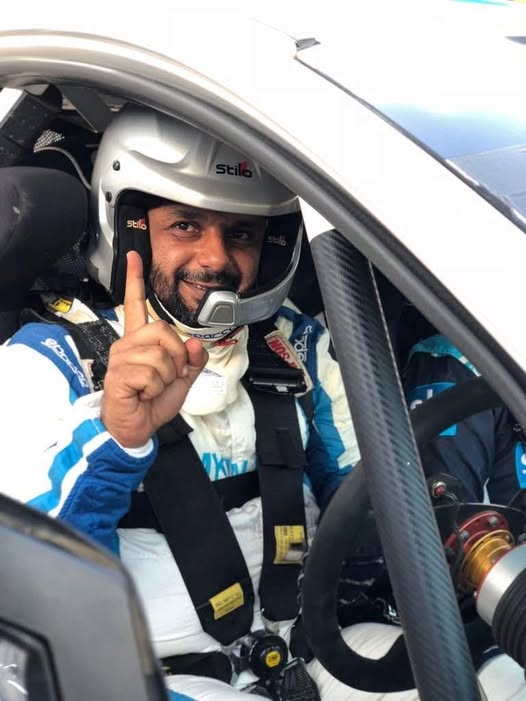
Huwel wins Mkwawa Rally to bolster title defence
Abstract
Ahmed Huwel's recent victory at the Mkwawa Rally, the 2026 National Rally Championship opener in Tanzania, highlights not only athletic prowess but also the intricate legal and regulatory framework governing motor sports in the country. This article delves into the foundational statutes, key regulatory bodies, and international standards that underpin such events. It examines the National Sports Council Act, the role of the Automobile Association of Tanzania (AAT) and its affiliation with the FIA, and the emerging landscape of sports dispute resolution. For legal practitioners, understanding these multifaceted regulations, from safety compliance to contractual obligations and intellectual property, is crucial in navigating the evolving Tanzanian sports industry, which is currently undergoing significant legal reforms aimed at enhancing governance and unlocking economic potential.
Introduction
The recent triumph of Ahmed Huwel at the Mkwawa Rally, marking a strong start to his 2026 National Rally Championship title defence, brings into focus the dynamic and increasingly sophisticated world of motor sports in Tanzania. While the headlines celebrate sporting achievements, behind every successful event and athlete lies a robust, albeit often complex, legal and regulatory infrastructure. This victory, achieved in Iringa on June 7, 2026, serves as a timely reminder for legal professionals of the critical legal considerations that govern competitive events of this nature.
This article aims to provide an overview of the legal and regulatory landscape that underpins motor rallying and other sports in Tanzania. It will explore the domestic legislative framework, the influence of international sporting federations, and the mechanisms for dispute resolution, all of which are essential for the smooth operation and continued growth of the sector. The success of events like the Mkwawa Rally is not merely a testament to driving skill but also to meticulous adherence to a web of rules designed to ensure fairness, safety, and commercial viability.
Background
The legal foundation for sports governance in Tanzania is primarily established by the National Sports Council Act, 1967 (Cap. 49 R.E. 2023). This seminal legislation created the National Sports Council (NSC), a body corporate tasked with the broad mandate to develop, promote, and control all forms of amateur sports on a national basis. The NSC's functions include providing training, grants-in-aid to national associations, facilities, and equipment, as well as overseeing the registration and operation of various sports associations.
For motor sports specifically, the Automobile Association of Tanzania (AAT) plays a pivotal role. As a non-profit organization affiliated with the Fédération Internationale de l'Automobile (FIA), the AAT is the national sporting authority responsible for promoting motor sports development, enhancing safety, and enacting, interpreting, and enforcing common rules for competitions. This dual regulatory structure means that events like the Mkwawa Rally operate under both national legislation and the stringent international sporting codes set by the FIA, including its International Sporting Code and Appendix J, which dictates technical and safety regulations for rally vehicles.
Analysis
The regulatory framework governing motor rallying in Tanzania is a layered system, integrating national statutes with international sporting mandates. Compliance with the FIA International Sporting Code and its appendices, particularly Appendix J, is paramount for events forming part of the African Rally Championship (ARC), such as the Rally of Tanzania. These regulations stipulate rigorous safety and performance standards for vehicles, encompassing mandatory roll-over protection systems, five-point harnesses, fire suppression systems, and reinforced fuel tanks, all designed to protect competitors. Legal practitioners advising event organizers, teams, or individual competitors must ensure strict adherence to these technical and sporting regulations to avoid penalties, disqualifications, or, more critically, safety incidents.
Beyond technical compliance, the broader legal landscape for sports in Tanzania addresses various commercial and operational aspects. This includes the negotiation and drafting of sponsorship and endorsement agreements, which are vital for funding motor sports activities. Intellectual property rights, such as brand protection and merchandising, also fall within the purview of sports law, safeguarding the commercial interests of athletes, teams, and event promoters. Furthermore, the National Sports Council's oversight extends to ensuring that national sports associations operate effectively, transparently, and in accordance with sound governance principles, a focus that is being strengthened through ongoing legal reforms.
Dispute resolution in Tanzanian sports is an evolving area. While internal mechanisms of sports bodies are often the first port of call, the Tanzania Sports Arbitration Center (TASArbC) offers an independent alternative dispute resolution (ADR) platform for sports-related conflicts at both national and international levels. TASArbC applies national laws and regulations, and where national provisions are absent, international regulations. This is particularly relevant given the international nature of motor rallying. The Tanzanian government is also actively working towards establishing a dedicated sports dispute resolution body under the National Sports Council, a move aimed at minimizing conflicts and fostering productivity within the sports industry. These developments underscore a growing recognition of the need for specialized legal avenues to address sports disputes efficiently and fairly, aligning with international best practices.
Conclusion
The continued success of events like the Mkwawa Rally underscores the critical interplay between sporting achievement and a robust legal and regulatory environment. For legal practitioners, the Tanzanian motor sports sector presents a diverse array of legal considerations, from ensuring compliance with national sports legislation and international FIA regulations to navigating complex contractual arrangements and intellectual property rights. The ongoing efforts by the National Sports Council to review and strengthen the country's sports legal framework, coupled with the establishment of specialized dispute resolution mechanisms like TASArbC, signal a maturing legal landscape in Tanzanian sports.
Attorneys advising stakeholders in this vibrant industry must remain vigilant of these developments, particularly the proposed legislative amendments aimed at enhancing governance and unlocking economic opportunities within sports. Proactive engagement with these legal frameworks will be essential for mitigating risks, protecting interests, and contributing to the sustainable growth and professionalization of motor sports and the broader sports sector in Tanzania. Staying abreast of regulatory updates and leveraging specialized dispute resolution avenues will be key for practitioners in this dynamic field.
Citations
- 1.Daily News Tanzania, "Huwel wins Mkwawa Rally to bolster title defence," June 7, 2026.
- 2.Tanzania Sports Arbitration Center (TASArbC) - About Us.
- 3.National Sports Council of Tanzania Act, 1967 (Cap. 49 R.E. 2023).
- 4.Daily News, "TZ reviews sports laws to drive growth," January 23, 2026.
- 5.National Sports Council Act Overview | PDF | Justice | Crime & Violence - Scribd.
- 6.Tanzania Sports Arbitration Center – TASArbC.
- 7.DarState Attorneys, "media, entertainment and sports in tanzania."
- 8.Daily News, "Government to establish sports dispute resolution body," March 09, 2024.
- 9.Lawzana, "The 10 best Sports Law Lawyers in Tanzania (2026)."
- 10.Grokipedia, "Rally of Tanzania - Vehicle Regulations and Classes."
- 11.THE NATIONAL SPORTS COUNCIL OF TANZANIA ACT, CHAPTER 49 R.E. 2023.
- 12.C&M Advocates, "Entertainment & Sports Law."
- 13.NATIONAL SPORTS COUNCIL ACT - Laws of Tanzania.
- 14.International Journal of Law Management & Humanities, "The Role and Impact of Alternative Dispute Resolution Mechanisms in Resolving Sports-Related Disputes in Tanzania: A focus on football disputes in Tanzania," October 19, 2025.
- 15.Tanzania Sports Arbitration Center - Our Services.
- 16.PolicyVault.Africa | National Sports Council of Tanzania Act.
- 17.AA Tanzania - About Us.
- 18.East African Safari Mini Classic Event Regulations 2024, July 15, 2024.
- 19.ASAS RALLY OF TANZANIA – ARC.
- 20.AA Tanzania - Motorsports.
- 21.AA Tanzania - Mobility.
- 22.FIA Approves Tanzania's Return to ARC Calendar for 2025.
- 23.Automobile Association Of Tanzania – ACTA Region.
- 24.AUTOMOBILE ASSOCIATION OF TANZANIA, December 14, 2013.
- 25.Issuu - Tanzania.
How does this affect your business?
Get an AI analysis of this article grounded in your jurisdictions, practice areas, and any policy documents you've uploaded to Wansom.