
IEBC Launches Probe Into Alleged Bribery, Violence and Campaign Malpractices in Ol Kalou By-Election
Abstract
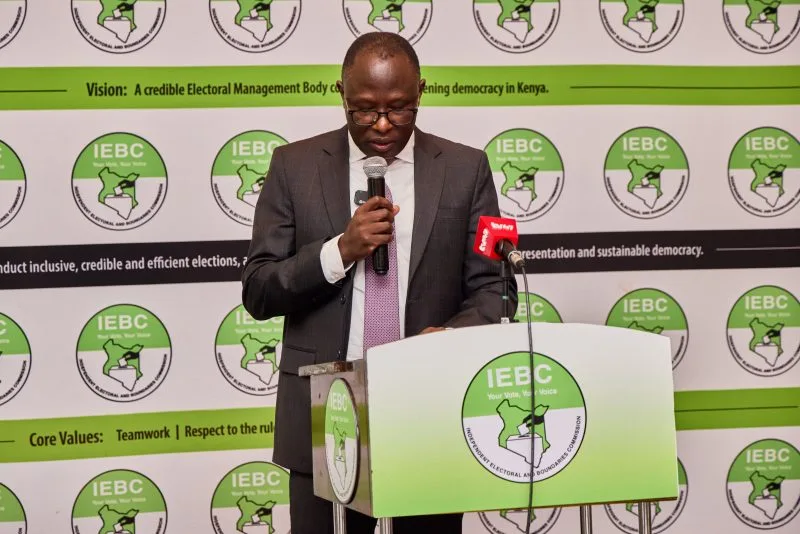
The Independent Electoral and Boundaries Commission (IEBC) has initiated a comprehensive investigation into widespread allegations of bribery, violence, and campaign malpractices surrounding the Ol Kalou by-election. IEBC Chairperson Erastus Ethekon confirmed that the commission received reports detailing various electoral offences, including voter bribery, illegal late-night campaigns, intimidation by criminal gangs, and violence that led to a fatality. This proactive probe underscores the IEBC's commitment to upholding the integrity of the electoral process in Kenya, with potential consequences ranging from candidate disqualification to the extraordinary step of invalidating the entire by-election if widespread irregularities are substantiated.
Introduction
The integrity of electoral processes is a cornerstone of any democratic society. In Kenya, this principle is currently being tested in the Ol Kalou by-election, where the Independent Electoral and Boundaries Commission (IEBC) has launched a robust investigation into a litany of alleged malpractices. IEBC Chairperson Erastus Ethekon publicly acknowledged reports of widespread electoral misconduct, including voter bribery, campaign violence, and other irregularities, which he warned could severely undermine the credibility of the poll.
These allegations are not merely procedural infractions; they strike at the heart of free and fair elections, a fundamental tenet enshrined in the Kenyan Constitution. The IEBC's decisive action to dispatch investigation teams to Ol Kalou signals a firm resolve to enforce electoral laws and safeguard the democratic space. This article will delve into the legal framework governing electoral conduct in Kenya, analyze the nature and implications of the alleged malpractices, and examine the IEBC's powers and potential remedies, drawing on relevant statutory provisions and judicial precedents to highlight the critical role of the commission in preserving electoral integrity.
Background
The Independent Electoral and Boundaries Commission (IEBC) is established under Article 88 of the Constitution of Kenya, 2010, as the primary body responsible for conducting or supervising referenda and elections to any elective body or office. Its functions include the continuous registration of voters, regulation of candidate nominations, and the development of a code of conduct for candidates and parties. The constitutional mandate of the IEBC is further elaborated and operationalized by national legislation, notably the Elections Act, 2011 (Act No. 24 of 2011), and the Election Offences Act, 2016 (Act No. 37 of 2016).
The Election Offences Act, 2016, specifically criminalizes various acts that compromise electoral integrity, including bribery, undue influence, and the use of force or violence during an election period. These legislative instruments were largely a response to historical electoral challenges, including the post-election violence of 2007-2008, which underscored the urgent need for robust institutional and legal reforms to ensure credible elections. The framework empowers the IEBC not only to conduct elections but also to monitor compliance with electoral laws and to address disputes arising from nominations, although election petitions subsequent to the declaration of results fall under the jurisdiction of the courts.
Analysis
The allegations in the Ol Kalou by-election span a range of prohibited electoral conduct. Bribery, a prominent concern, is explicitly addressed under Section 9 of the Election Offences Act, 2016, which criminalizes both the direct or indirect offering or acceptance of a bribe to influence a voter's decision or participation in political events. Reports of cash incentives in exchange for identification cards, as highlighted by the IEBC Chairperson, directly fall under this prohibition. Similarly, the use of force or violence during an election period, including the presence of suspected criminal gangs and intimidation of voters, is a serious offence under Section 11 of the same Act. Campaign malpractices, such as illegal late-night campaigning, also contravene the established electoral code of conduct and regulations.
The IEBC's powers to address these malpractices are significant. While election petitions challenging results are heard by the courts, the Commission has the mandate to investigate and take action on electoral offences during the election period. Chairperson Ethekon explicitly warned that candidates found culpable of electoral offences risk disqualification from the by-election, and if investigations reveal widespread irregularities that compromise the credibility of the exercise, the commission could take the extraordinary step of invalidating the entire by-election process. This reflects the IEBC's quasi-judicial functions and its role in enforcing the Electoral Code of Conduct. The IEBC also collaborates with other investigative and oversight agencies, such as the Directorate of Criminal Investigations (DCI) and the Office of the Director of Public Prosecutions (ODPP), to ensure accountability for criminal violations.
Kenyan jurisprudence has consistently affirmed the importance of electoral integrity. The landmark Supreme Court decision in *Raila Amolo Odinga and Another v Independent Electoral and Boundaries Commission and Others Presidential Petition No. 1 of 2017* established that elections are processes, not merely events, and that substantial irregularities and illegalities can lead to the nullification of results, even without direct proof of how the outcome was affected. This precedent underscores that non-compliance with the Constitution and electoral laws, particularly Articles 81 and 86, can vitiate an election. The standard for nullification requires that the irregularities be substantial and significant enough to affect the integrity of the election, as seen in cases like *SC Petition No. E020 of 2023*. The IEBC's current probe in Ol Kalou, therefore, operates within a robust legal and jurisprudential framework that prioritizes the fairness and credibility of the electoral process.
Conclusion
The IEBC's decisive probe into the alleged bribery, violence, and campaign malpractices in the Ol Kalou by-election serves as a critical reminder of the continuous effort required to uphold democratic principles in Kenya. For legal practitioners, this development highlights the imperative of advising clients, whether candidates, political parties, or voters, on strict adherence to the Elections Act, 2011, and the Election Offences Act, 2016. The potential for severe sanctions, including candidate disqualification and the nullification of an entire election, underscores the high stakes involved.
Practitioners should closely monitor the outcome of the Ol Kalou investigations, as the IEBC's findings and subsequent actions will undoubtedly set important precedents for future electoral conduct and enforcement. This proactive stance by the IEBC, coupled with the robust judicial oversight demonstrated in past electoral disputes, reinforces the message that electoral malpractices will not be tolerated. The integrity of Kenya's democratic institutions hinges on the consistent and impartial application of electoral laws, making vigilance and compliance paramount for all stakeholders.
Citations
- 1.Constitution of Kenya, 2010
- 2.Elections Act, 2011 (Act No. 24 of 2011)
- 3.Election Offences Act, 2016 (Act No. 37 of 2016)
- 4.Raila Amolo Odinga and Another v Independent Electoral and Boundaries Commission and Others Presidential Petition No. 1 of 2017
- 5.SC Petition No. E020 of 2023
How does this affect your business?
Get an AI analysis of this article grounded in your jurisdictions, practice areas, and any policy documents you've uploaded to Wansom.