
India Supreme Court Investigates Police Crackdown on 'Cockroach' Protesters
Summary
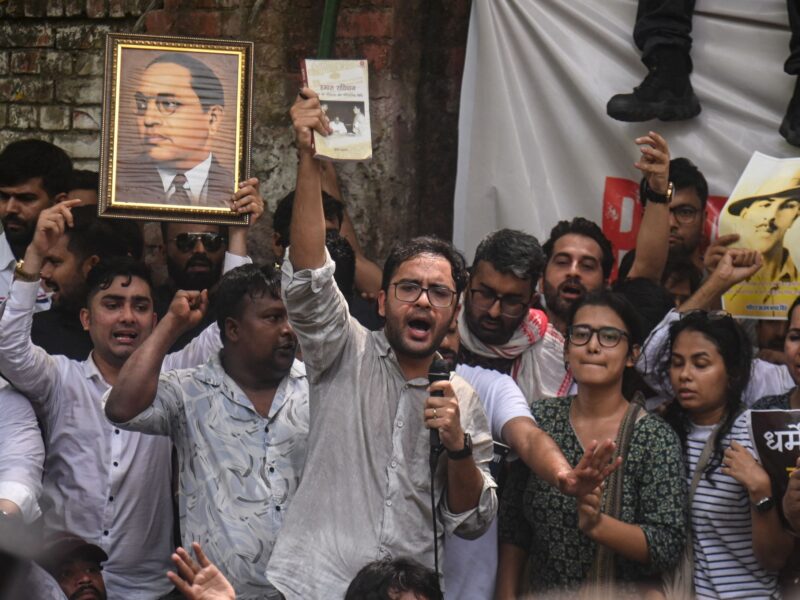
- The 'cockroach' movement, a youth-led protest against examination paper leaks, has led to the resignation of Education Minister Dharmendra Pradhan.
- At least 100 people have been arrested on non-bailable charges in connection with the protests.
- The Chief Justice of India has called for an independent investigation into police brutality during the crackdown.
- The Cockroach Janta Party (CJP) has set up a legal fund to help meet the expenses of protesters implicated in criminal cases by the police.
What Happened
The 'cockroach' movement, a youth-led protest against examination paper leaks and other irregularities in India's education system, has led to the resignation of Education Minister Dharmendra Pradhan. The protests, which began in May, have gained momentum with tens of thousands of students rallying across the country, including in New Delhi. The movement has also sparked a police crackdown, with at least 100 people arrested on non-bailable charges, and reports of students being detained in various states. The Cockroach Janta Party (CJP), the online platform behind the protests, has accused the government of backtracking on its promise not to take punitive action against protesters. The CJP has set up a legal fund to help meet the expenses of protesters implicated in criminal cases by the police.
Legal Context
The Indian Constitution guarantees the right to peaceful, lawful protest, and the Chief Justice of India has called for an independent investigation into the police crackdown. A petition was filed in the Supreme Court alleging police brutality, with local media reports quoting Surya Kant as saying that 'if there is excess committed, it should be independently examined.' The issue also reverberated in Parliament on Monday, with opposition lawmakers demanding a response from the government over last week's police crackdown. The government introduced legislation seeking tougher penalties for examination paper leaks, despite the disruptions caused by the protests.
Why It Matters
The 'cockroach' movement has highlighted the need for reforms in India's education system and the importance of protecting the right to peaceful protest. The police crackdown and use of non-bailable charges against protesters have raised concerns about police brutality and the erosion of democratic rights. Lawyers advising clients on the 'cockroach' movement should be aware of potential compliance exposures related to police crackdowns and the implications of the Supreme Court's investigation into police brutality.
Practical Implications
Lawyers advising clients on the 'cockroach' movement should watch for potential compliance exposures related to police crackdowns and the use of non-bailable charges against protesters, as well as the implications of the Supreme Court's investigation into police brutality.
Source
How does this affect your business?
Get an AI analysis of this article grounded in your jurisdictions, practice areas, and any policy documents you've uploaded to Wansom.