
Kagame Retires Three RDF Generals, Over 1,400 Other Personnel
Abstract
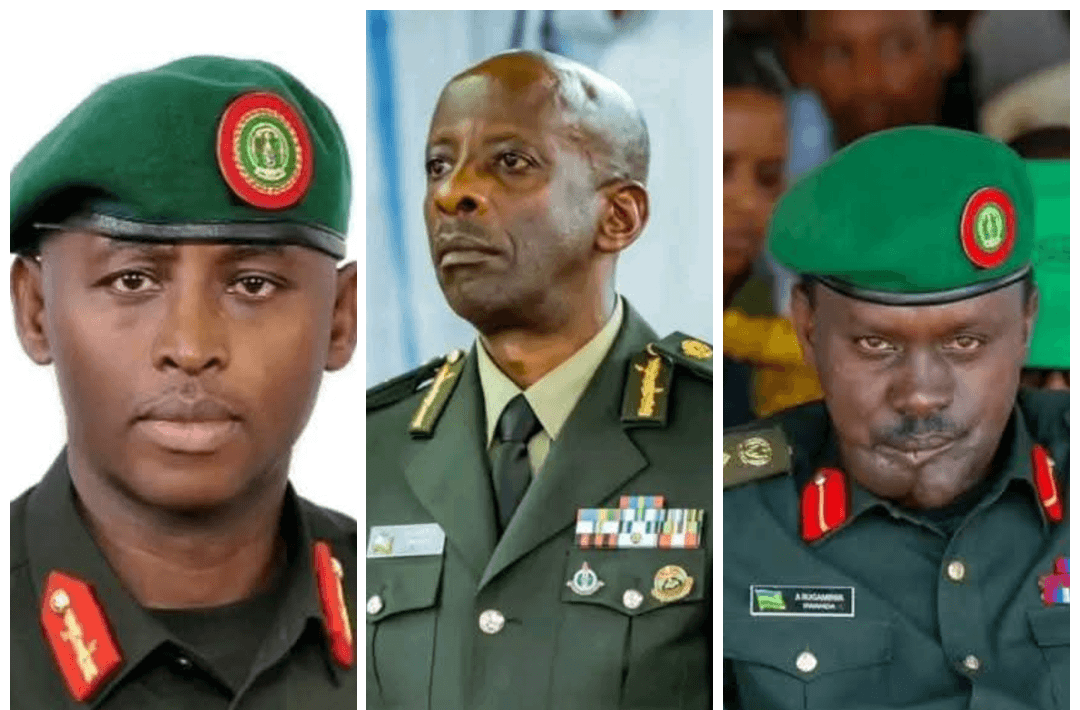
President Paul Kagame, as Commander-in-Chief of the Rwanda Defence Force (RDF), has approved the retirement of three senior generals and over 1,400 other military personnel. This significant move, while large in scale, aligns with established Rwandan military statutes and presidential prerogative, reflecting a routine process of force professionalization and renewal. The retirements are governed by specific legal instruments, including Presidential Orders and the Law governing the RDF, which outline retirement ages, conditions, and the authority of the Commander-in-Chief. This event underscores the ongoing modernization of the RDF and the structured approach to managing its human resources, ensuring a disciplined and effective national defense force.
Introduction
In a recent development, President Paul Kagame, serving as the Commander-in-Chief of the Rwanda Defence Force (RDF), has sanctioned the retirement of three high-ranking generals alongside more than 1,400 other military personnel. This announcement, reported by KT Press Rwanda, signifies a substantial personnel change within the country's armed forces. Such large-scale retirements, while notable, are presented as a regular administrative exercise within the RDF, reflecting a commitment to maintaining a professional and efficient military structure.
This decision carries significant implications for the RDF's leadership, operational capacity, and long-term strategic planning. For legal professionals, it highlights the robust legal framework governing military service in Rwanda, particularly the extensive powers vested in the President as Commander-in-Chief. Understanding the statutory basis for these actions, the conditions for military retirement, and the broader context of military administration is crucial for advising personnel and appreciating the institutional dynamics of the RDF.
The article will delve into the legal underpinnings of these retirements, examining the relevant Rwandan statutes and presidential orders that empower such decisions. It will explore the established retirement ages for various ranks, the process of approval, and the historical context of similar large-scale personnel changes within the RDF, ultimately shedding light on the legal and practical ramifications for Rwanda's military and its personnel.
Background
The Rwanda Defence Force operates under a comprehensive legal framework that defines its mission, organization, and the conditions of service for its personnel. The primary legislation governing the RDF is Law N° 64/2024 of 20/06/2024, which determines the mission, organization, and powers of the Rwanda Defence Force. Complementing this is Presidential Order N° 014/01 of 25/08/2025, which specifically governs the services of the Rwanda Defence Force and details the organization and responsibilities of its various services, including the Army, Air Force, Military Health Service, and Reserve Force.
Central to the administration of the RDF is the role of the President of Rwanda, who serves as the Commander-in-Chief. This position grants the President significant executive authority over the armed forces, including the power to approve promotions, appointments, and, crucially, retirements of military personnel. This authority is not merely ceremonial but is a fundamental aspect of military governance, ensuring civilian oversight and strategic direction. The President's decisions in this regard are typically formalized through presidential orders, which carry the force of law.
Regarding retirement, the conditions are stipulated in Presidential Order nº 044/01 of 14/02/2020, establishing the special statute governing the Rwanda Defence Force, as amended by Presidential Order nº 049/01 of 12/04/2024. This order sets specific retirement ages: 60 years for a General Officer, 55 years for a Senior Officer, and 45 years for a Junior Officer or Other Ranks serving on a career basis. The law also provides for the possibility of extending the retirement age by up to five years in the interest of service, at the discretion of the authority empowered to promote the soldier to a higher rank. Additionally, soldiers may apply for early retirement within five years of reaching their statutory retirement age.
Analysis
The recent retirement of three generals and over 1,400 other RDF personnel, while substantial, is consistent with a pattern of periodic, large-scale personnel adjustments within the Rwandan military. Previous instances include the retirement of 1,073 personnel, including nine generals, in July 2025, and another in August 2024 involving five generals and 1,162 other ranks. These regular exercises underscore the RDF's commitment to maintaining a youthful, professional, and agile force, often attributed to factors such as reaching statutory retirement age, completion of service contracts, or medical discharge.
The legal authority for these retirements flows directly from the President's constitutional and statutory powers as Commander-in-Chief. Article 102 of Presidential Order nº 044/01 of 14/02/2020, as amended, explicitly outlines the retirement ages for different ranks, providing a clear legal basis for the current approvals. The President's approval transforms these administrative processes into official directives, ensuring compliance with the established legal framework. This centralized decision-making reflects the hierarchical structure of military command and the significant role of the executive in national security matters in Rwanda.
The implications of such large-scale retirements extend beyond mere personnel turnover. They facilitate the promotion of younger officers, infuse new perspectives, and allow for the integration of modern military doctrines and technologies. This continuous renewal is vital for an army that has been instrumental in national liberation, peacekeeping missions, and national development. The process also ensures that veterans are transitioned out of active service with due recognition, often receiving pension benefits and other entitlements as outlined in social security schemes managed by institutions like the Rwanda Social Security Board (RSSB).
While the official narrative emphasizes routine procedure and professionalization, such extensive retirements inevitably lead to speculation, particularly in the context of regional security dynamics. However, the consistent application of retirement statutes and the public recognition of retirees' service, as seen in past ceremonies, suggest a structured approach rather than arbitrary purges. The RDF's mission includes defending territorial integrity, collaborating with other security organs, participating in humanitarian activities, and contributing to national development, all of which necessitate a well-managed and regularly refreshed force.
Conclusion
The recent approval by President Paul Kagame for the retirement of three generals and over 1,400 other RDF personnel is a significant administrative action that underscores the structured and legally governed nature of military service in Rwanda. This event, consistent with previous large-scale retirements, highlights the ongoing efforts to professionalize and modernize the Rwanda Defence Force, ensuring its continued effectiveness in national defense and regional stability. Legal practitioners advising military personnel or engaging with defense-related matters in Rwanda must be intimately familiar with the Presidential Orders and Laws governing the RDF, particularly those pertaining to service conditions, promotions, and retirements.
Practitioners should pay close attention to the specific provisions of Presidential Order N° 014/01 of 25/08/2025 and Law N° 64/2024 of 20/06/2024, as well as the amended Presidential Order nº 044/01 of 14/02/2020, which detail retirement ages and procedures. Understanding the Commander-in-Chief's prerogative in these matters is paramount. Furthermore, advising retiring personnel on their entitlements, such as pension benefits and other post-service provisions, requires a thorough grasp of the relevant social security legislation. As the RDF continues its trajectory of professional development, similar personnel adjustments are likely to remain a regular feature, necessitating continuous monitoring of legal and policy developments in this critical sector.
Citations
- 1.Law N° 64/2024 of 20/06/2024 governing the Rwanda Defence Force
- 2.Presidential Order N° 014/01 of 25/08/2025 governing services of the Rwanda Defence Force
- 3.Presidential Order nº 044/01 of 14/02/2020 establishing special statute governing Rwanda Defence Force
- 4.Presidential Order nº 049/01 of 12/04/2024 amending Presidential Order nº 044/01 of 14/02/2020 establishing special statute governing Rwanda Defence Force
- 5.Official Gazette n° Special of 13/04/2024
- 6.Official Gazette n° Special of 28/06/2024
- 7.Rwanda Defence Force (RDF) website - Laws section
- 8.Rwanda Defence Force (RDF) website - Overview section
- 9.KT Press Rwanda - Kagame Retires Three RDF Generals, Over 1,400 Other Personnel (Source of the prompt)
- 10.allAfrica.com - Rwanda: 600 Soldiers Discharged, 80 Retired (October 25, 2013)
- 11.Wikipedia - Politics of Rwanda
- 12.Rwanda Defence Force - The Bedrock of National Transformation (Publication)
- 13.IGIHE News - President Kagame approves retirement of over 1000 RDF personnel including nine Generals (July 29, 2025)
- 14.Rwanda Social Security Board (RSSB) - Pension Scheme information
- 15.Rwanda Ministry of Defence - RDF Press Release – Retirement in the Rwanda Defence Force (August 30, 2023)
- 16.Rwanda Ministry of Defence - RDF Press Release – Retirement in the Rwanda Defence Force (August 30, 2024)
- 17.Rwanda Ministry of Defence - RDF Honourably Bids Farewell to its Service Members Reaching Retirement Age (July 28, 2025)
- 18.agaciro press - President Kagame Appoints New Senior Leaders in Rwanda Air Force (January 25, 2026)
- 19.Wikipedia - Paul Kagame
- 20.ILO NATLEX Database - Republic of Rwanda (Social Security information)
How does this affect your business?
Get an AI analysis of this article grounded in your jurisdictions, practice areas, and any policy documents you've uploaded to Wansom.