
Minister warns schools against corporal punishment after student’s death
Abstract
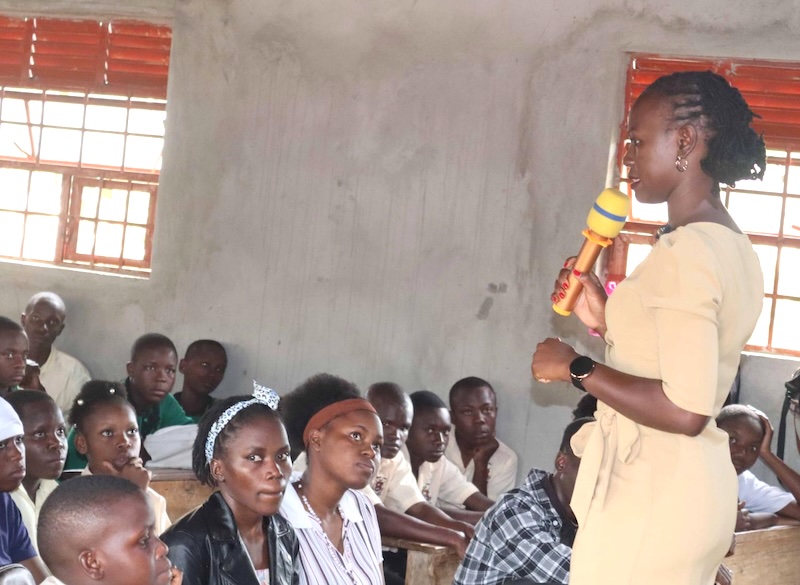
The Minister of State for Gender, Labour and Social Development in charge of Youth and Children's Affairs has condemned the continued use of corporal punishment in schools following a recent student fatality in Luwero district. The minister's remarks come as part of an ongoing effort to address concerns surrounding the treatment of students in educational institutions. This development highlights the need for schools to reassess their disciplinary practices, particularly with regards to physical punishment.
Introduction
The use of corporal punishment in Ugandan schools has been a long-standing issue, with many calling for its abolition. The recent death of a senior four student in Luwero district has brought renewed attention to this matter, prompting the Minister of State for Gender, Labour and Social Development in charge of Youth and Children's Affairs, Mercy Faith Lakisa, to weigh in on the issue. This article examines the implications of the minister's remarks and the broader context surrounding corporal punishment in Ugandan schools.
Background
Corporal punishment has been a contentious issue in Ugandan education for years, with many arguing that it is an outdated and ineffective disciplinary tool. The Children Act 2009 prohibits the use of physical force against children as a means of discipline, but its implementation remains patchy. Despite these legal protections, corporal punishment continues to be used in many schools across the country, often under the guise of 'traditional' or 'cultural' practices.
Analysis
Furthermore, this development highlights the need for increased awareness and education about the effects of corporal punishment on children's well-being. Research has shown that physical punishment can have long-term consequences for a child's mental health, academic performance, and social relationships. Schools must prioritize evidence-based approaches to discipline, rather than relying on outdated and ineffective methods.
Conclusion
Practitioners must remain vigilant in monitoring developments on this issue and advocating for policies that protect students from physical harm. The government's willingness to address corporal punishment marks a critical turning point in the ongoing effort to create safer, more supportive learning environments for all Ugandan children.
How does this affect your business?
Get an AI analysis of this article grounded in your jurisdictions, practice areas, and any policy documents you've uploaded to Wansom.