
No structure on waterways will be spared – Greater Accra Regional Minister warns
Abstract
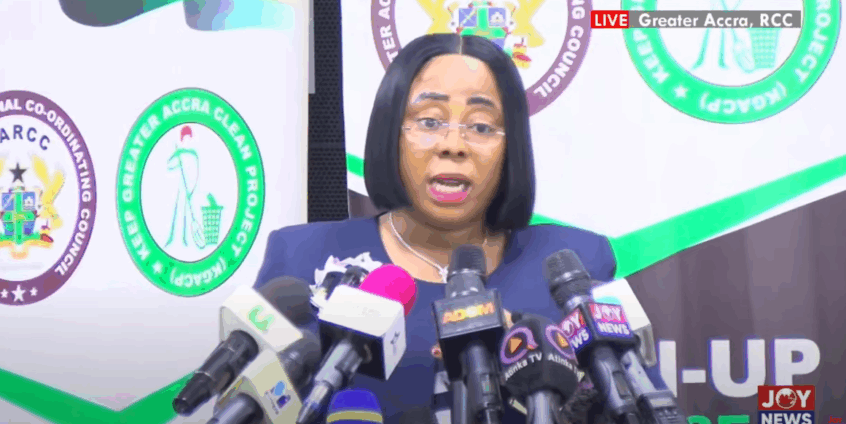
The Greater Accra Regional Minister, Linda Ocloo, has announced the commencement of demolitions targeting structures obstructing drains and waterways across the region. This decisive action is part of a broader governmental effort to mitigate perennial flooding, a persistent challenge exacerbated by uncontrolled urbanisation and disregard for planning regulations. The legal basis for these demolitions is rooted in several Ghanaian statutes, including the Land Use and Spatial Planning Act, 2016 (Act 925), the Local Governance Act, 2016 (Act 936), and the Water Resources Commission Act, 1996 (Act 522). While authorities are empowered to act in the public interest, the exercise must navigate complex legal considerations, particularly concerning property rights and due process, to avoid potential litigation and ensure fair treatment of affected citizens.
Introduction
Greater Accra, Ghana's bustling capital, faces a recurring nightmare of devastating floods, often attributed to rampant illegal construction on waterways and inadequate drainage systems. In a firm declaration, the Greater Accra Regional Minister, Linda Ocloo, recently disclosed that authorities have quietly initiated the demolition of structures obstructing drains and waterways throughout the region. This move signals a renewed, and seemingly more resolute, commitment from the government to tackle the root causes of urban flooding.
The Minister's warning underscores a critical juncture in Ghana's urban development and environmental management. While the necessity of such actions for public safety and environmental protection is widely acknowledged, the implementation of large-scale demolitions invariably raises significant legal questions. These include the scope of governmental powers, the protection of individual property rights, and the adherence to due process requirements. This article delves into the legal framework underpinning these demolitions, examining the statutory mandates, potential challenges, and implications for legal practitioners and affected parties.
Background
The legal landscape governing land use, spatial planning, and water resource management in Ghana provides a robust, albeit often under-enforced, framework for addressing issues like encroachment on waterways. Central to this framework is the Land Use and Spatial Planning Act, 2016 (Act 925), which establishes the Land Use and Spatial Planning Authority (LUSPA) and mandates sustainable development through a decentralised planning system. This Act explicitly prohibits development within verified waterways, floodplains, and wetland buffer zones, empowering assemblies to demolish unauthorised structures and recover costs.
Complementing this is the Local Governance Act, 2016 (Act 936), which designates Metropolitan, Municipal, and District Assemblies (MMDAs) as the primary planning authorities responsible for regulating physical development within their jurisdictions. Furthermore, the Water Resources Commission Act, 1996 (Act 522), vests the control of all water resources in the President on behalf of the people of Ghana and prohibits their use without prior authorisation from the Water Resources Commission (WRC). The WRC is also empowered to require the demolition of unlawful works. More recently, the Environmental Protection Act, 2025 (Act 1124), replacing the 1994 Act, reinforces the regulatory powers of the Environmental Protection Authority (EPA) in safeguarding the environment and integrating climate change strategies into planning. These legislative instruments collectively provide the legal arsenal for authorities to undertake the current demolition exercise, aiming to restore the natural flow of water and prevent future flood disasters.
Analysis
The current demolition exercise, spearheaded by the Greater Accra Regional Minister, draws its authority from the confluence of these legislative instruments. The Minister, as the President's representative in the region, plays a crucial coordinating role, assisting MMDAs in fulfilling their mandates, which include development control and environmental protection. The Ghana Building Code GS 1207:2018 further reinforces the prohibition of construction in flood-prone areas and waterways.
However, the execution of such demolitions, even for structures deemed 'illegal', is not without stringent procedural requirements. The 1992 Constitution of Ghana, particularly Article 23, mandates that administrative bodies adhere to due process and procedural fairness. This means that affected property owners, even those occupying land without proper authorisation, are entitled to notice and an opportunity to be heard before any demolition. The typical process involves identifying violating structures, issuing a formal notice to comply (often 30 to 60 days), and providing a right to appeal the decision to the relevant District Assembly or a higher tribunal. Failure to observe these due process requirements can lead to legal challenges, with affected parties potentially claiming violations of their fundamental human rights, including the right to property, life, and livelihood.
Historically, Ghana has grappled with an "enforcement gap" rather than a "legislative gap," where existing laws are inconsistently applied, often due to political interference, public resistance, and legal delays. This has led to a cycle where illegal structures proliferate, only to face demolition after catastrophic floods. While the government possesses the power to demolish structures in the public interest, this power is not absolute and must be exercised within the confines of the law. Legal practitioners must therefore scrutinise whether the current exercise adheres strictly to the principles of natural justice, ensuring that notices are properly served, appeals are genuinely considered, and compensation, where applicable for legally acquired but subsequently affected properties, is fairly determined. The involvement of the Ghana Armed Forces in post-flood recovery and cleanup, including demolitions, highlights the urgency but also necessitates strict adherence to civilian legal procedures.
Moreover, the issue of property rights versus public interest is a delicate balance. While individuals have the right to own property, this right does not extend to building illegally on public lands or waterways, especially when such actions endanger public safety. The challenge for authorities lies in demonstrating that the demolitions are a proportionate and necessary response to a clear and present danger, rather than arbitrary exercises of power. The call for consistent enforcement, insulated from political influence, is paramount to breaking the cycle of floods and reactive demolitions.
Conclusion
The Greater Accra Regional Minister's directive to demolish structures on waterways marks a critical, albeit challenging, step towards addressing Ghana's persistent flooding crisis. For legal practitioners, this development underscores the importance of robust due diligence in property transactions, particularly concerning land titles and adherence to spatial planning regulations. Clients involved in property development or acquisition must be advised on the strict requirements for building permits and the legal implications of encroaching on designated buffer zones or waterways, as ignorance of the law offers no defence against demolition.
Furthermore, practitioners should be prepared to advise affected clients on their rights to due process, including the right to receive adequate notice and to appeal demolition orders. While the state's power to act in the public interest is clear, any deviation from established legal procedures could form the basis for challenging such actions in court, potentially leading to claims for compensation or injunctions. The long-term solution to Accra's flooding woes lies not just in reactive demolitions but in consistent enforcement, public education, and a commitment from all stakeholders—government, citizens, and developers—to respect and uphold the country's planning and environmental laws. The current exercise serves as a stark reminder that the "rules have never been the problem; their negotiability has."
Citations
- 1.Water Resources Commission Act, 1996 (Act 522)
- 2.Local Governance Act, 2016 (Act 936)
- 3.Land Use and Spatial Planning Act, 2016 (Act 925)
- 4.Environmental Protection Act, 2025 (Act 1124)
- 5.Constitution of the Republic of Ghana, 1992 (Article 23)
- 6.Ghana Building Code GS 1207:2018
How does this affect your business?
Get an AI analysis of this article grounded in your jurisdictions, practice areas, and any policy documents you've uploaded to Wansom.