
North Rift water agency auditor arrested for demanding Ksh400,000 bribe
Abstract
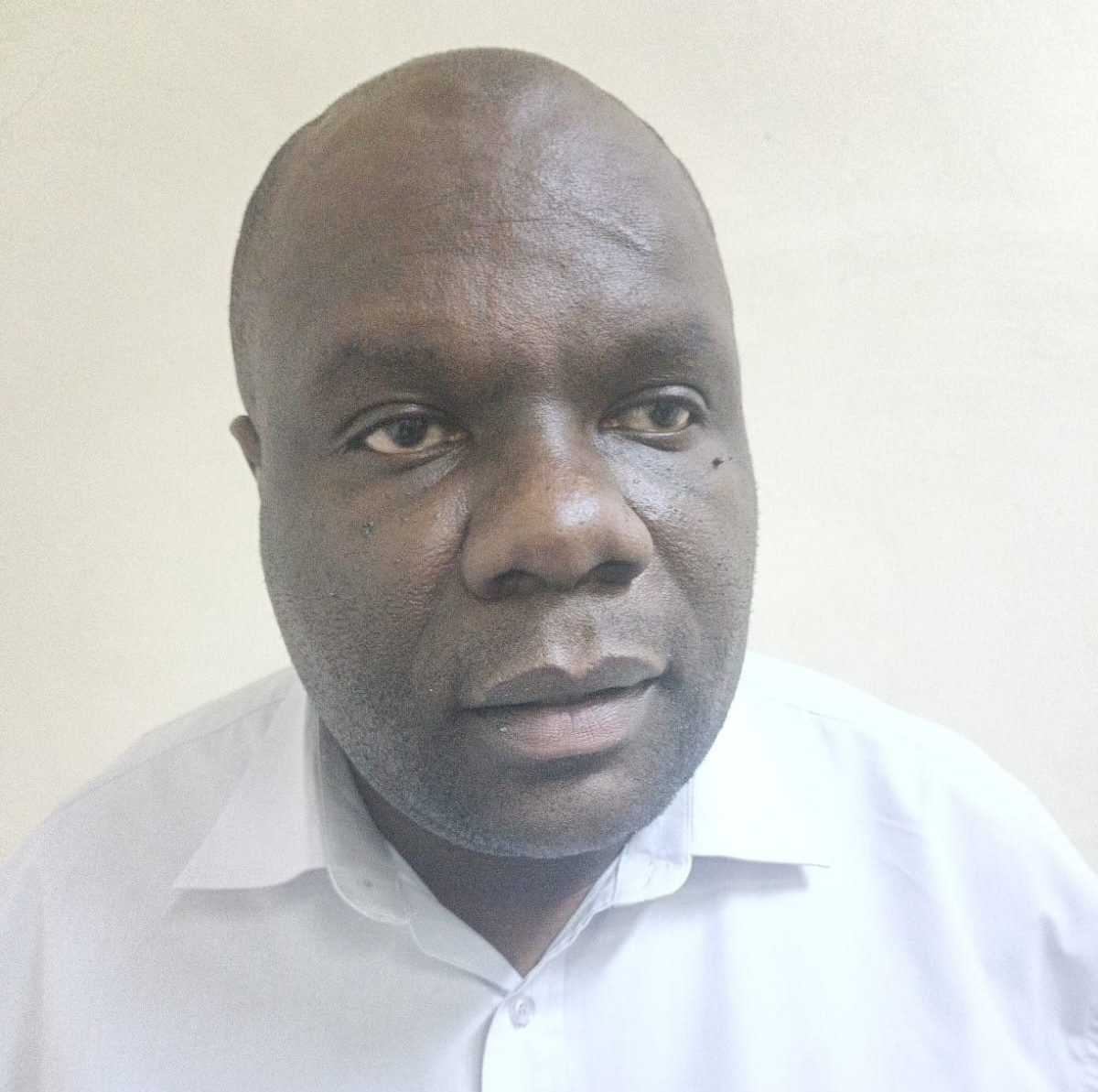
The Ethics and Anti-Corruption Commission (EACC) in Kenya recently arrested Michael Maleya Omondi, an auditor attached to the North Rift Valley Water Works Development Agency (NRVWWDA), for allegedly soliciting a Ksh400,000 bribe. The arrest, made in Eldoret following a contractor's complaint, highlights Kenya's ongoing struggle against corruption within public institutions. Omondi is accused of demanding the sum in exchange for a favourable audit report, an act that directly contravenes the stringent anti-bribery and ethics legislation in Kenya, including the Bribery Act, 2016, and the Anti-Corruption and Economic Crimes Act, 2003. This incident underscores the EACC's proactive enforcement efforts and the severe legal consequences public officers face for engaging in economic crimes.
Introduction
Kenya's commitment to combating corruption within its public service was recently underscored by the arrest of an auditor from the North Rift Valley Water Works Development Agency (NRVWWDA). Michael Maleya Omondi was apprehended by the Ethics and Anti-Corruption Commission (EACC) in Eldoret on allegations of soliciting a Ksh400,000 bribe from a contractor. This incident, reported by KBC Kenya, is a stark reminder of the persistent challenges of graft in public procurement and oversight, and the government's resolve to enforce integrity standards.
The alleged demand for a bribe in exchange for a favourable audit report strikes at the heart of public trust and accountability. Auditors, by their very nature, are entrusted with ensuring transparency and proper financial management. When such officers are implicated in corrupt practices, it erodes public confidence in institutions vital for national development. This case is therefore not merely an isolated incident but a critical test of Kenya's robust anti-corruption legal framework and the EACC's effectiveness in upholding Chapter Six of the Constitution on Leadership and Integrity.
Background
The legal landscape governing anti-corruption efforts in Kenya is comprehensive, primarily anchored in the Constitution of Kenya, 2010, particularly Articles 79 and 252, which mandate the establishment of independent bodies to ensure compliance with ethical standards. The Ethics and Anti-Corruption Commission (EACC) is the principal agency tasked with combating and preventing corruption, economic crime, and unethical conduct. Established under the Ethics and Anti-Corruption Commission Act, 2011, the EACC's mandate includes law enforcement, preventive measures, public education, and the promotion of integrity.
Key legislative instruments underpinning the EACC's work include the Anti-Corruption and Economic Crimes Act, 2003 (ACECA), which provides for the prevention, investigation, and punishment of corruption and economic crimes. Additionally, the Bribery Act, 2016, which commenced on January 13, 2017, is the primary legislation specifically targeting bribery, defining what constitutes a bribe and outlining severe penalties for both givers and receivers. The Public Officer Ethics Act, 2003, further reinforces these standards by establishing a code of conduct for public officers, emphasizing professionalism, honesty, and the avoidance of conflicts of interest and improper enrichment. The North Rift Valley Water Works Development Agency (NRVWWDA) itself is a public entity, established under Gazette Notice No. 5 of 7th February 2020, pursuant to the Water Act No. 43 of 2016, and falls squarely within the purview of these anti-corruption laws.
Analysis
The arrest of Michael Maleya Omondi by the EACC implicates several key provisions of Kenya's anti-corruption statutes. Omondi, as an auditor for a public agency, is a public officer, and his alleged actions fall under the definition of a 'bribe' as per the Bribery Act, 2016. Section 6 of the Bribery Act criminalizes the passive offence of requesting, agreeing to receive, or receiving an advantage where the person knows or believes that the acceptance would constitute the improper performance of a relevant function or activity. The alleged demand for Ksh400,000 for a favourable audit report clearly constitutes such an improper performance of duty.
Furthermore, Omondi could face charges under the Anti-Corruption and Economic Crimes Act, 2003 (ACECA), specifically for abuse of office, which is broadly defined to include using one's public office to improperly confer a benefit or obtain a benefit for oneself. The Public Officer Ethics Act, 2003, also mandates public officers to perform their duties efficiently and honestly, and prohibits improper enrichment and conflicts of interest, all of which Omondi's alleged conduct violates. The penalties for such offences are stringent, including a fine not exceeding KES 5 million or imprisonment for a term not exceeding ten years, or both. Crucially, the Bribery Act also imposes a mandatory fine equivalent to five times the value of the benefit received, and disqualification from holding public office or transacting business with the government for up to ten years upon conviction.
The EACC's operational strategy, as demonstrated in this case, involves acting on complaints and conducting targeted operations. The fact that Omondi was released on a cash bail of Ksh100,000 pending the completion of investigations is a standard procedure, but it does not diminish the seriousness of the charges. This case also highlights the critical role of whistleblowers, as the arrest was prompted by a complaint lodged by a contractor. The legal framework in Kenya, including the Bribery Act, encourages reporting of suspected bribery and provides protections for whistleblowers, which is essential for uncovering such illicit activities.
Comparatively, Kenya's anti-corruption framework is robust on paper, aligning with international conventions like the UN Convention against Corruption. However, the challenge often lies in the successful prosecution and conviction of high-profile cases, as well as the recovery of corruptly acquired assets. The EACC's mandate extends to asset recovery, which operates through both civil and criminal procedures, aiming to deter corruption by removing financial incentives. This ongoing investigation will test the efficacy of these provisions in practice.
Conclusion
The arrest of the North Rift Valley Water Works Development Agency auditor serves as a potent reminder to all public officers of the severe legal and professional repercussions of engaging in corrupt practices. Practitioners must advise their clients, particularly those in public service or dealing with public entities, on the strictures of the Bribery Act, 2016, the Anti-Corruption and Economic Crimes Act, 2003, and the Public Officer Ethics Act, 2003. The EACC's continued vigilance and proactive enforcement, as evidenced by this operation, signal a sustained effort to foster integrity and accountability across all levels of government.
Moving forward, legal professionals should closely monitor the progression of this case, as its outcome will further clarify the judicial interpretation and application of Kenya's anti-corruption laws. The emphasis on both punitive measures and preventive strategies by the EACC underscores the need for public institutions to implement robust internal controls and for individuals to adhere strictly to ethical guidelines. The fight against corruption remains a dynamic and critical aspect of governance in Kenya, demanding unwavering commitment from both enforcement agencies and the citizenry.
Citations
- 1.Anti-Corruption and Economic Crimes Act, 2003 (Cap. 65, Laws of Kenya)
- 2.Bribery Act, 2016 (Cap. 79B, Laws of Kenya)
- 3.Constitution of Kenya, 2010
- 4.Ethics and Anti-Corruption Commission Act, 2011 (Cap. 7H, Laws of Kenya)
- 5.Gazette Notice No. 5 of 7th February 2020
- 6.KBC Kenya. "North Rift water agency auditor arrested for demanding Ksh400,000 bribe." KBC Digital, [Date of publication of original article, if available, otherwise omit].
- 7.Leadership and Integrity Act, 2012
- 8.North Rift Valley Water Works Development Agency. "About Us."
- 9.Public Officer Ethics Act, 2003 (Cap. 183, Laws of Kenya)
- 10.Water Act No. 43 of 2016
- 11.Citizen Digital. "North Rift water agency auditor arrested for demanding Ksh.400K bribe." June 11, 2026.
- 12.DLA Piper. "Kenya - Global bribery offenses guide." November 03, 2025.
- 13.EACC. "About Us."
- 14.EACC. "MISSION STATEMENT MANDATE."
- 15.Huduma Global. "EACC Kenya: Anti-Corruption, Asset Recovery & Chapter 6 Guide." May 25, 2026.
- 16.Kenya Law Organization. "Laws of Kenya: The Public Officer Ethics Act; Chapter 183."
- 17.North Rift Valley Water Works Development Agency. "Who We Are."
- 18.PolicyVault.Africa. "Anti-Corruption and Economic Crimes Act."
- 19.PolicyVault.Africa. "Public Officer Ethics Act, Revised 2019."
- 20.Q&A in Relation to Bribery Offences in Kenya.
- 21.The Star. "Court sacks six directors of North Rift water agency." July 01, 2020.
- 22.University of Warwick. "EXPECTATIONS OF INTEGRITY IN THE PUBLIC OFFICE IN KENYA -William Agunda 1. Definitions."
- 23.Yellow Pages Kenya Ltd. "Ethics and Anti-Corruption Commission (EACC)."
How does this affect your business?
Get an AI analysis of this article grounded in your jurisdictions, practice areas, and any policy documents you've uploaded to Wansom.