
Ombudsman Orders Release of NHIF, SHA Hospital Payment Records Within 21 Days
Abstract
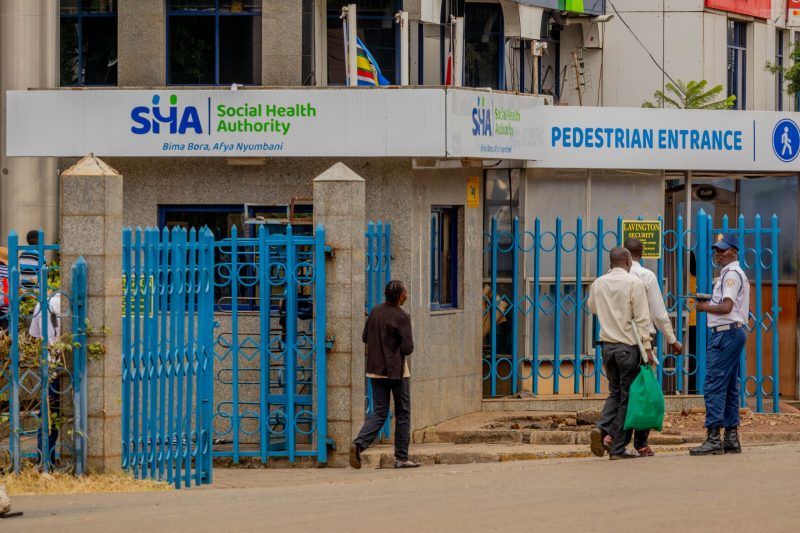
The Commission on Administrative Justice (Ombudsman) in Kenya has issued a directive to the Social Health Authority (SHA), the successor to the National Hospital Insurance Fund (NHIF), to release comprehensive records of hospital payments. The order mandates the disclosure of disaggregated data on NHIF payments from 2018 to 2024 and SHA/Social Health Insurance Fund (SHIF) payments from 2025 to the present. SHA has been given 21 days to comply, with a stern warning that failure to do so could lead to the recommendation of criminal prosecution against its Chief Executive Officer under Section 28 of the Access to Information Act, 2016. This move underscores the Ombudsman's commitment to enforcing transparency and accountability in public health financing amidst concerns over outstanding arrears.
Introduction
In a significant move reinforcing the principles of transparency and accountability in public service, Kenya's Commission on Administrative Justice (CAJ), commonly known as the Ombudsman, has ordered the Social Health Authority (SHA) to disclose detailed hospital payment records. This directive, issued under the robust framework of the Access to Information Act, 2016, demands the release of payment data from both the defunct National Hospital Insurance Fund (NHIF) and the newly established SHA/Social Health Insurance Fund (SHIF). The Ombudsman has set a strict 21-day deadline for compliance, coupled with a serious warning of potential criminal prosecution for the SHA Chief Executive Officer should the information not be provided.
This order comes at a critical juncture for Kenya's healthcare sector, which is undergoing a major transformation with the transition from NHIF to SHA, mandated by the Social Health Insurance Act, 2023. The demand for transparency in payment records is particularly pertinent given widespread concerns regarding outstanding arrears to healthcare providers, which have reportedly caused significant financial strain and threatened the continuity of services. The Ombudsman's intervention highlights the constitutional right of access to information and signals a firm stance against opacity in the management of public funds, especially those critical to the nation's health.
This article will delve into the legal underpinnings of the Ombudsman's authority, the specific provisions of the Access to Information Act, 2016, and the broader implications of this order for public bodies in Kenya. It will analyze the potential legal ramifications for non-compliance and discuss the imperative for public institutions to proactively embrace transparency, particularly in sectors as vital as public health.
Background
The legal framework governing administrative justice and access to information in Kenya is primarily anchored in the Constitution of Kenya, 2010. Article 35 of the Constitution guarantees every citizen the right of access to information held by the State, and information held by another person required for the exercise or protection of any right or fundamental freedom. To operationalize this constitutional right, Parliament enacted the Access to Information Act, 2016. This Act obliges public entities and relevant private bodies to proactively publish information and to facilitate access to information upon request, aiming to achieve openness and transparency.
The Commission on Administrative Justice (CAJ), often referred to as the Office of the Ombudsman, is an independent commission established under Article 59(4) of the Constitution and operationalized by the Commission on Administrative Justice Act, 2011. The CAJ's mandate is two-fold: to address maladministration in the public sector and to oversee and enforce the implementation of the Access to Information Act, 2016. In its role as an oversight agency for access to information, the Commission is empowered to investigate complaints, issue orders compelling disclosure, and recommend appropriate action, including criminal prosecution, for non-compliance.
The context of the current order involves the significant transition in Kenya's health insurance landscape. The National Hospital Insurance Fund (NHIF), which served as the primary public health insurer, is being replaced by the Social Health Authority (SHA) and the Social Health Insurance Fund (SHIF) under the Social Health Insurance Act, 2023. This transition, aimed at achieving Universal Health Coverage, commenced officially on October 1, 2024. However, the process has been fraught with challenges, particularly concerning the settlement of substantial legacy debts owed to hospitals by the defunct NHIF, reportedly amounting to approximately Sh30 billion. These unresolved financial obligations have led to considerable tension between healthcare providers and the new Authority, making the transparency of payment records a matter of urgent public interest.
Analysis
The Ombudsman's order for the release of NHIF and SHA hospital payment records is a direct exercise of its statutory powers under the Access to Information Act, 2016. Section 21(1)(e) of the Act empowers the Commission on Administrative Justice to monitor State compliance with international treaty obligations relating to freedom of and right of access to information. More broadly, the CAJ's function includes enforcing administrative justice and access to information through complaints resolution and public education. The current directive stems from an application by a citizen, Saddam Amatonyo, demonstrating the citizen-driven nature of information access rights in Kenya.
A critical aspect of the Ombudsman's order is the explicit threat of criminal prosecution against the SHA Chief Executive Officer under Section 28 of the Access to Information Act, 2016, for non-compliance. Section 28 outlines offences related to the obstruction of access to information, including knowingly destroying, damaging, altering, or concealing a record, or making a false statement in connection with an information request. While the specific penalty is not detailed in the provided snippets, the inclusion of criminal prosecution as a consequence underscores the seriousness with which the CAJ views adherence to the Act. This provision serves as a powerful deterrent against public officials who might otherwise be inclined to withhold information.
The demand for disaggregated data on hospital payments from 2018 to the present is particularly significant. It addresses the ongoing public and healthcare provider concerns about the transparency of funds disbursed under both the old NHIF regime and the new SHA. The public interest in such information is paramount, as it directly relates to the efficient use of public resources, the financial health of the healthcare system, and the right of citizens to quality healthcare services. While public bodies might sometimes invoke privacy concerns or commercial confidentiality to resist disclosure, the constitutional right to information, especially when it pertains to public funds and services, generally takes precedence, particularly when balanced against the public good.
This action by the Ombudsman sets a strong precedent for other public entities in Kenya. It reinforces the understanding that the Access to Information Act, 2016, is not merely aspirational but a legally enforceable instrument. The CAJ's consistent efforts to enforce compliance, including issuing reporting guidelines for public and private bodies, demonstrate a sustained commitment to fostering a culture of openness. The ongoing challenges faced by the SHA in clearing legacy NHIF debts, as highlighted by various reports and the Rural and Urban Private Hospitals Authority (RUPHA), further amplify the necessity for such transparency and accountability measures.
Comparatively, many jurisdictions with robust access to information laws empower oversight bodies with similar enforcement mechanisms, including the ability to issue binding orders and recommend sanctions. This aligns Kenya with international best practices in promoting good governance and combating maladministration. The Ombudsman's proactive stance in this matter serves as a crucial check on executive power and ensures that public institutions remain answerable to the citizens they serve, particularly in critical sectors like health where public trust is vital.
Conclusion
The Ombudsman's order to the Social Health Authority to release detailed hospital payment records within 21 days, under threat of criminal prosecution, marks a pivotal moment for transparency and accountability in Kenya's public health sector. This directive unequivocally signals the Commission on Administrative Justice's resolve to enforce the Access to Information Act, 2016, and uphold Article 35 of the Constitution, which guarantees citizens the right to information. For the SHA, and indeed all public entities, this serves as a stark reminder that the era of opaque operations is drawing to a close, and non-compliance with information requests carries significant legal risks, including personal liability for senior officials.
For legal practitioners, this development underscores the increasing importance of advising public sector clients on robust compliance frameworks for information requests. Attorneys representing public bodies must ensure their clients understand their obligations under the Access to Information Act, 2016, and establish clear internal procedures for handling such requests expeditiously and comprehensively. Proactive disclosure, thorough record-keeping, and a clear understanding of the grounds for permissible exemptions are no longer optional but essential to mitigate legal exposure. Conversely, practitioners representing citizens or civil society organizations can leverage this precedent to pursue information from public bodies more effectively, confident in the Ombudsman's willingness to enforce these rights.
Moving forward, all eyes will be on SHA's response to this order. Its compliance, or lack thereof, will not only determine the fate of its CEO but also set a crucial precedent for the enforcement of transparency laws across Kenya's public sector. This case highlights the ongoing struggle for accountability in the transition from NHIF to SHA, and its resolution will significantly shape public confidence in the new health financing regime. The Ombudsman's firm action is a testament to the growing demand for openness and integrity in the management of public resources, particularly in vital sectors like healthcare.
Citations
- 1.Constitution of Kenya, 2010, Article 35
- 2.Access to Information Act, 2016
- 3.Commission on Administrative Justice Act, No. 23 of 2011
- 4.Social Health Insurance Act, 2023
- 5.Commission on Administrative Justice (CAJ)
- 6.Capital FM Kenya, "Ombudsman Orders Release of NHIF, SHA Hospital Payment Records Within 21 Days" (July 10, 2026)
- 7.allAfrica.com, "Kenya: Ombudsman Orders Release of NHIF, SHA Hospital Payment Records Within 21 Days" (July 10, 2026)
- 8.Muhoro and Gitonga Associates, "The Commission on Administrative Justice in Kenya: Mandate, Powers and Enforcement Explained" (November 05, 2025)
- 9.The Commission on Administrative Justice, "What Is The Access To Information Act (ATI)?"
- 10.Kenya National Commission on Human Rights, "Access to Information"
- 11.Huduma Global Blog, "NHIF to SHA Transition in Kenya 2026: What You Need to Know" (February 20, 2026)
- 12.Kenya National Commission for UNESCO, "Access to Information and Knowledge"
- 13.Wikipedia, "Commission on Administrative Justice"
- 14.Open Government Partnership, "Implement Access to Information Act (KE0029) | Commitment from Kenya"
- 15.UoN | Department of Biochemistry, "OFFICE OF THE OMBUDSMAN(CAJ)-KENYA"
- 16.Stratford Journals, "Examining the Investigative Capacity of the Ombudsman in Addressing Administrative Justice in Kenya"
- 17.LawGuide, "Commission on Administrative Justice (CAJ)" (March 28, 2025)
- 18.The Commission on Administrative Justice, "ASSESSING THE RIGHT OF ACCESS TO INFORMATION IMPLEMENTATION IN KENYA" (May 2025)
- 19.The Commission on Administrative Justice, "CAJ"
- 20.Ministry of Health, "Kenya to Officially Launch Social Health Authority on October 1, 2024" (September 19, 2024)
- 21.HLB CEZAM, "The Social Health Insurance Fund (SHIF)"
- 22.Digital Frameworks Ltd, "How To Transition From NHIF To SHIF For Employers" (September 25, 2024)
- 23.Capital FM, "Crisis looms as Ombudsman gives SHA seven days to settle Sh30bn hospital arrears" (July 06, 2026)
- 24.The Commission on Administrative Justice, "Handbook on Best Practices on Implementation of Access to Information in Kenya"
- 25.Communications Authority of Kenya, "GUIDELINES ON ACCESS TO INFORMATION REQUESTS"
- 26.The Commission on Administrative Justice, "Reporting Guidelines for Public Entities and Private Bodies under the Access to Information Act, 2016"
- 27.Africa Check, "GUIDE: How to use your right to government information in Kenya" (July 23, 2018)
- 28.Capital FM, "Govt Moves to Clear NHIF Legacy Bills to Protect Health Services" (January 27, 2026)
- 29.Standard Newspaper, "SHA ordered to pay former NHIF director Sh3million, redeploy him" (April 15, 2026)
- 30.Citizen Digital, "SHA under fire over NHIF debt, denied healthcare services" (February 10, 2025)
How does this affect your business?
Get an AI analysis of this article grounded in your jurisdictions, practice areas, and any policy documents you've uploaded to Wansom.