
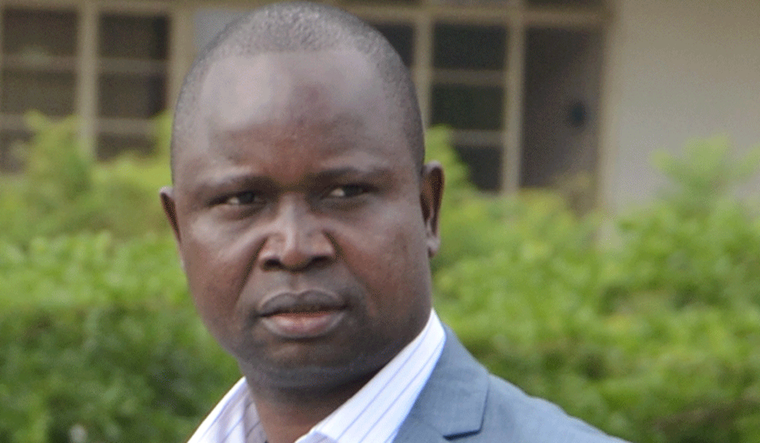
Parliament’s Chris Obore, 7 others arrested over embezzling Shs 32bn
Abstract
The Inspectorate of Government (IG) in Uganda has arrested eight senior parliamentary officials, including the Director of Communications, Chris Obore, over allegations of embezzling public funds totaling over Shs 32 billion. This high-profile action underscores the IG's commitment to combating corruption within public institutions and highlights the ongoing challenges in public finance management and accountability. The arrests signal a renewed focus on enforcing anti-corruption laws and the Leadership Code, with potential far-reaching implications for governance and public trust in Uganda's legislative arm. Legal professionals should note the robust application of the Inspectorate of Government Act and the Anti-Corruption Act in these proceedings.
Introduction
In a significant development for public accountability in Uganda, the Inspectorate of Government (IG) has apprehended eight senior officials from the Parliament of Uganda, including the prominent Director of Communications, Chris Obore. The arrests stem from serious allegations of embezzling a combined sum exceeding Shs 32 billion, a figure that has sent ripples through the nation's political and legal landscape. This action by the IG is a stark reminder of the persistent challenge of corruption within public institutions and the critical role of oversight bodies in upholding integrity.
These arrests are not merely isolated incidents but represent a critical test of Uganda's anti-corruption framework and its commitment to good governance. The alleged involvement of high-ranking parliamentary staff in such a substantial financial impropriety raises profound questions about institutional controls, ethical leadership, and the protection of public resources. For legal practitioners, this case offers a crucial insight into the operational dynamics of anti-corruption enforcement and the potential legal ramifications for public officials.
This article will delve into the legal framework underpinning these arrests, examining the powers of the Inspectorate of Government, the relevant anti-corruption statutes, and the broader implications for public sector accountability in Uganda. It will analyze how the existing legal instruments are being deployed to address high-level corruption and what this means for the future of public finance management and ethical conduct within government.
Background
Uganda's fight against corruption is anchored in a comprehensive legal and institutional framework designed to promote transparency and accountability in public service. Central to this framework is the Inspectorate of Government (IG), an independent institution established under Chapter 13 of the 1995 Constitution of the Republic of Uganda. The IG's mandate is broad, encompassing the elimination of corruption, abuse of authority, and misuse of public office, as well as the enforcement of the Leadership Code of Conduct.
The powers of the IG, amplified by the Inspectorate of Government Act, 2002, include the authority to investigate, arrest, prosecute, issue orders, conduct searches, and access bank accounts during investigations. Complementing the IG's role are key legislative instruments such as the Anti-Corruption Act, 2009, which defines various corruption-related offenses, outlines penalties, and grants special investigative and prosecutorial powers to both the IG and the Director of Public Prosecutions (DPP). The Public Finance Management Act, 2015, further establishes the legal framework for sound fiscal policies, transparent budgeting, expenditure control, and accountability in the management of public funds.
Additionally, the Leadership Code Act, 2002 (as amended by the Leadership Code (Amendment) Act, 2017 and 2021), sets minimum standards of behavior and conduct for leaders, requiring them to declare their incomes, assets, and liabilities. Breaches of this Code can lead to severe penalties, including fines, demotion, dismissal, or confiscation of unlawfully acquired assets, with adjudication handled by the Leadership Code Tribunal. These interlocking laws and institutions form the bedrock upon which the current arrests and subsequent legal proceedings will be based.
Analysis
The arrests of the parliamentary officials for alleged embezzlement of Shs 32 billion fall squarely within the ambit of Uganda's robust anti-corruption legislation. Embezzlement, as a specific offense, is addressed under Section 19 of the Anti-Corruption Act, 2009, which criminalizes the fraudulent or dishonest appropriation of funds or property entrusted to an individual, particularly those in positions of authority, for personal use. This provision is crucial in prosecuting public officials who divert public resources for private gain, directly undermining public trust and financial integrity.
The Inspectorate of Government's decision to arrest and potentially prosecute these officials demonstrates its independent and proactive stance in enforcing its mandate. The IG possesses constitutional and statutory powers to investigate and initiate prosecutions for corruption offenses, often working in collaboration with the Director of Public Prosecutions (DPP). The DPP, established under Article 120 of the Constitution, holds the primary responsibility for instituting and conducting criminal proceedings in all courts, with the authority to direct police investigations and even take over or discontinue private prosecutions. This dual-agency approach in prosecuting corruption cases, where both the IG and DPP have powers, ensures a comprehensive and multi-faceted attack on public sector graft.
These high-profile arrests highlight potential gaps or weaknesses in internal financial controls and oversight mechanisms within Parliament itself, despite the existence of the Public Finance Management Act, 2015, which mandates stringent guidelines for budget preparation, expenditure control, and accountability. The alleged scale of embezzlement suggests a systemic failure that allowed such significant amounts to be diverted. The prosecution will likely involve intricate financial investigations, tracing the flow of funds, and establishing the culpability of each arrested official, potentially leading to charges beyond mere embezzlement, such as causing financial loss or abuse of office under the Anti-Corruption Act.
The legal process following these arrests will involve formal charges, potential bail applications, and ultimately, a trial in the Anti-Corruption Court, which is specifically designated to handle such cases. The burden of proof will rest with the prosecution to demonstrate beyond reasonable doubt that the accused officials fraudulently appropriated the public funds. Successful prosecution in such a high-profile case would not only serve as a deterrent but also reinforce public confidence in the efficacy of Uganda's anti-corruption institutions. Conversely, any perceived shortcomings in the prosecution could undermine the ongoing efforts to combat corruption.
Furthermore, the case may also trigger proceedings under the Leadership Code Act, 2002, requiring the officials to account for their assets and liabilities. Breaches of the Leadership Code, which are distinct from criminal offenses, can lead to sanctions imposed by the Leadership Code Tribunal, including forfeiture of illicitly acquired wealth. This multi-pronged legal attack underscores Uganda's commitment to recovering stolen assets and punishing corrupt officials.
Conclusion
The arrests of senior parliamentary officials by the Inspectorate of Government over alleged embezzlement of Shs 32 billion mark a critical juncture in Uganda's ongoing battle against public sector corruption. This development reinforces the Inspectorate of Government's constitutional mandate and its operational independence in pursuing accountability, even within the highest echelons of government. For legal practitioners, this case serves as a potent reminder of the robust legal framework in place, particularly the Inspectorate of Government Act, the Anti-Corruption Act, and the Public Finance Management Act, which are actively being leveraged to enforce financial discipline and ethical conduct.
Practitioners should closely monitor the progression of these cases, as their outcomes will undoubtedly set important precedents for future anti-corruption efforts and the interpretation of relevant statutes. The emphasis on recovering proceeds of crime and imposing stringent penalties underscores the increasing risks associated with public office misconduct. This situation calls for heightened vigilance among public officials regarding compliance with financial regulations and the Leadership Code, and for legal professionals to be well-versed in the intricacies of Uganda's anti-corruption regime to effectively advise clients and navigate the evolving landscape of public accountability.
Citations
- 1.The Constitution of the Republic of Uganda, 1995
- 2.Inspectorate of Government Act, 2002
- 3.Anti-Corruption Act, 2009
- 4.Public Finance Management Act, 2015
- 5.Leadership Code Act, 2002
- 6.Leadership Code (Amendment) Act, 2017
- 7.Leadership Code (Amendment) Act, 2021