
“Senate Passes Out-Of-Home Media Practitioners Bill” — Akpabio Says Law Will Bring Sanity, Professionalism To Media Space
Abstract
The Nigerian Senate has passed the Chartered Out-of-Home Media Practitioners of Nigeria (Establishment) Bill, 2026, a significant legislative development aimed at institutionalizing a regulatory framework for the country's burgeoning out-of-home (OOH) media and advertising industry. This proposed law seeks to establish a chartered professional body to regulate practitioners, enforce ethical standards, and promote professionalism within the sector. The Bill's passage comes amidst an evolving regulatory landscape for advertising in Nigeria, particularly following the enactment of the Advertising Regulatory Council of Nigeria (ARCON) Act 2022, which replaced the erstwhile APCON Act. While proponents laud the Bill as a necessary step to bring sanity and order to the media space, its provisions will need careful navigation, especially concerning potential overlaps with ARCON's existing mandate and the constitutionally defined roles of local government councils in outdoor advertising regulation.
Introduction
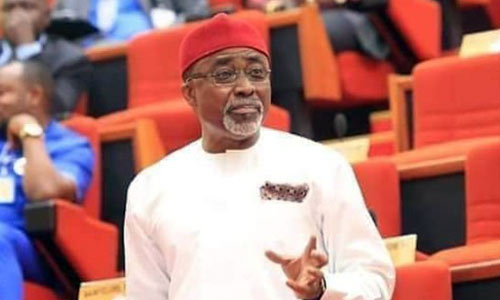
The Nigerian legal and media landscape is poised for a significant shift with the recent passage of the Chartered Out-of-Home Media Practitioners of Nigeria (Establishment) Bill, 2026 (SB 448) by the Senate. This legislative initiative, sponsored by Senator Enyinnaya Abaribe, seeks to create a dedicated professional body to regulate practitioners within the out-of-home media and advertising sector. The Senate President, Godswill Akpabio, underscored the importance of the Bill, stating that it would usher in "sanity, order and professionalism" and address instances of "irresponsible media conduct" that could have severe societal consequences.
This development marks a crucial step towards formalizing and standardizing a segment of the media industry that has historically faced fragmented regulation. For legal practitioners, the Bill presents a new layer of compliance and regulatory considerations, particularly concerning licensing, ethical conduct, and dispute resolution within the OOH space. This article will delve into the existing regulatory framework, analyze the potential implications of the new Bill, and highlight key areas of consideration for legal professionals advising clients in the Nigerian advertising and media sectors.
Background
The regulation of advertising and media in Nigeria has evolved over time, with the Advertising Regulatory Council of Nigeria (ARCON) currently serving as the apex regulatory authority. ARCON was established by the Advertising Regulatory Council of Nigeria Act 2022, which repealed the earlier Advertising Practitioners (Registration, etc.) Act, Cap. A7, Laws of the Federation of Nigeria, 2004 (APCON Act). The ARCON Act 2022 expanded the scope of regulation to cover all forms of advertising, advertisements, and marketing communications directed at the Nigerian market, including digital and online platforms. ARCON's mandate includes setting standards, ensuring advertisements are legal, decent, honest, truthful, and respectful, promoting local content, and safeguarding public and consumer interests.
However, the regulation of outdoor advertising, a significant component of out-of-home media, has been a subject of constitutional contention. The Fourth Schedule to the Constitution of the Federal Republic of Nigeria, 1999 (as amended), specifically assigns the "control and regulation of outdoor advertising and hoardings" to Local Government Councils. This constitutional provision has led to conflicting interpretations and judicial pronouncements regarding the extent of ARCON's powers versus those of local governments in regulating the physical structures of outdoor advertising. This existing complexity forms the backdrop against which the new Chartered Out-of-Home Media Practitioners of Nigeria (Establishment) Bill, 2026, will operate.
Analysis
The newly passed Chartered Out-of-Home Media Practitioners of Nigeria (Establishment) Bill, 2026, aims to create a distinct professional body, suggesting a model similar to other chartered professions in Nigeria, such as the Association of National Accountants of Nigeria or the Medical and Dental Council of Nigeria. Such bodies typically establish registers of practitioners, prescribe qualifications, regulate professional conduct, and institute disciplinary mechanisms. The Bill's objective to promote professionalism and provide a legal framework for practitioners in the outdoor advertising and media sector indicates that it will likely focus on the qualifications, ethics, and practice standards of individuals and entities engaged in OOH media.
A critical area of analysis will be the interface between this new chartered body and the existing Advertising Regulatory Council of Nigeria (ARCON). While ARCON's mandate is broad, covering the content and standards of advertising across all media, the new Bill appears to carve out a specific professional regulatory role for OOH practitioners. This raises questions about potential overlaps in jurisdiction, especially concerning the vetting and approval of OOH campaigns, which ARCON currently mandates through its Advertising Standards Panel. Clarity will be needed on how the new body's licensing and regulatory functions will complement or intersect with ARCON's overarching regulatory authority to avoid regulatory arbitrage or conflicts.
Furthermore, the Bill must navigate the long-standing constitutional challenge regarding the regulation of outdoor advertising structures. The Federal High Court has delivered conflicting judgments on whether ARCON's powers under the ARCON Act 2022 unconstitutionally encroach upon the exclusive domain of local government councils as stipulated in the Fourth Schedule of the 1999 Constitution. For instance, in *Massilia Motors Ltd v ARCON* (FHC/L/CS/1044/2025), the court invalidated sections of the ARCON Act that purported to regulate outdoor advertising structures, affirming local governments' exclusive competence. Conversely, *Godec Power Nigeria Ltd v. Attorney General of the Federation & Advertising Regulatory Council of Nigeria* (FHC/LKJ/CS/20/2024) upheld ARCON's authority, distinguishing between the regulation of advertising content/practice and physical structures. The new Bill, by establishing a professional body for OOH practitioners, will inevitably touch upon these contentious areas, requiring a clear delineation of responsibilities to ensure constitutional compliance and operational efficiency.
Another significant consideration is the right to freedom of expression, guaranteed by Section 39 of the 1999 Constitution. While this right is not absolute and can be restricted by laws that are reasonably justifiable in a democratic society for purposes such as public order or protecting the rights of others, any new regulatory framework must ensure that its provisions do not unduly stifle legitimate expression or impose arbitrary restrictions on OOH media content. The balance between promoting professionalism and safeguarding fundamental rights will be crucial in the implementation of this new legislation.
Conclusion
The Senate's passage of the Chartered Out-of-Home Media Practitioners of Nigeria (Establishment) Bill, 2026, signals a concerted effort to bring structure and accountability to a vital segment of Nigeria's media industry. For legal practitioners, this development necessitates a thorough understanding of the Bill's provisions once assented to, particularly its interplay with the Advertising Regulatory Council of Nigeria Act 2022 and the constitutional powers of local government councils. Advising clients in the OOH media space will require navigating potential dual regulatory oversight and ensuring compliance with both professional standards and broader advertising regulations.
Practitioners should closely monitor the presidential assent to the Bill and the subsequent development of subsidiary legislation and guidelines. Anticipating and addressing potential jurisdictional disputes between the new professional body, ARCON, and local governments will be paramount. Furthermore, legal counsel will be instrumental in guiding OOH media companies and individual practitioners through new registration, licensing, and compliance requirements, ensuring that their operations align with the evolving regulatory landscape while upholding constitutional freedoms.
Citations
- 1.Constitution of the Federal Republic of Nigeria, 1999 (as amended)
- 2.Advertising Regulatory Council of Nigeria Act 2022
- 3.Advertising Practitioners (Registration, etc.) Act, Cap. A7, Laws of the Federation of Nigeria, 2004
- 4.Massilia Motors Ltd v ARCON, Suit No. FHC/L/CS/1044/2025 (Federal High Court, Lagos)
- 5.Godec Power Nigeria Ltd v. Attorney General of the Federation & Advertising Regulatory Council of Nigeria, Suit No. FHC/LKJ/CS/20/2024 (Federal High Court, Lokoja)
How does this affect your business?
Get an AI analysis of this article grounded in your jurisdictions, practice areas, and any policy documents you've uploaded to Wansom.