
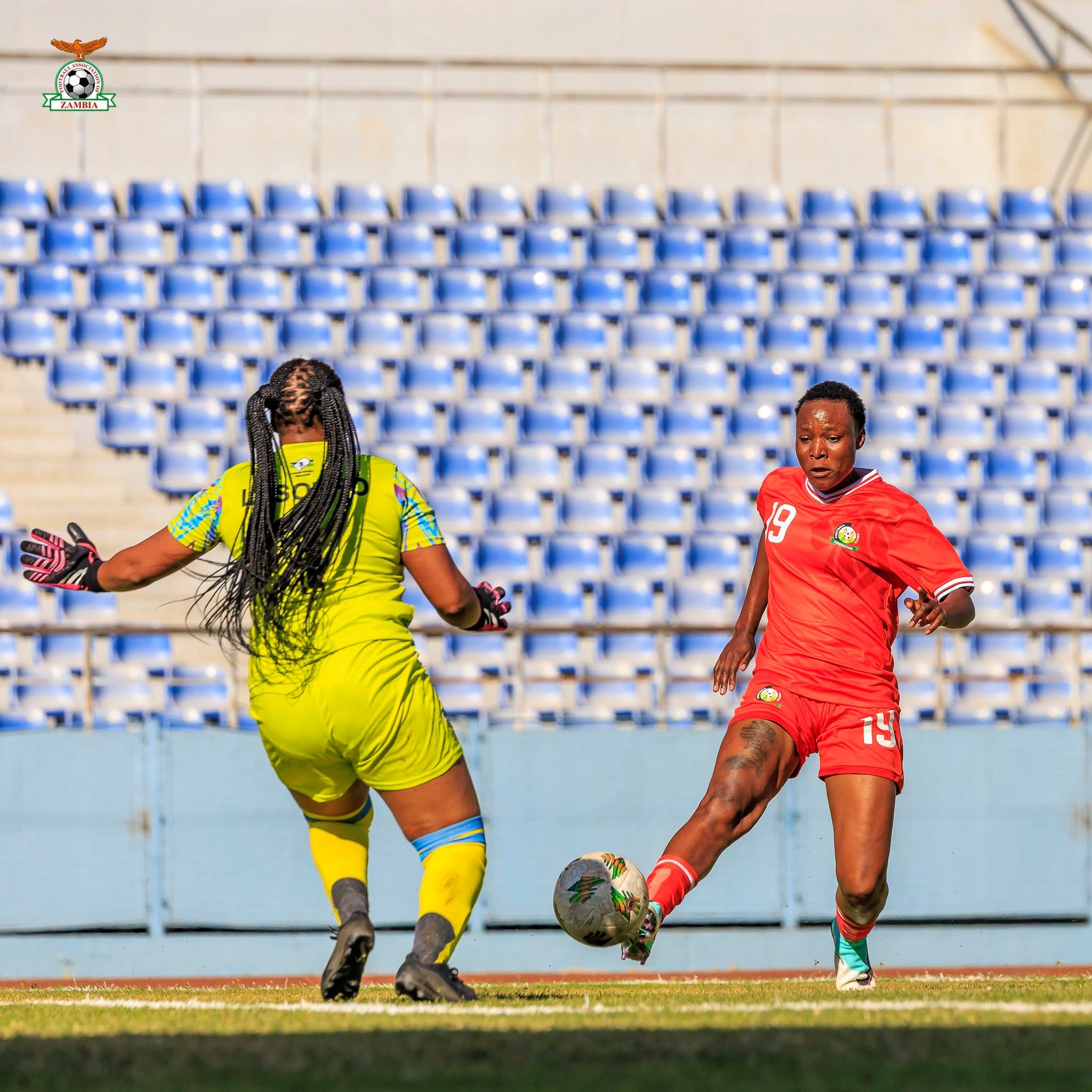
Starlets romp past Lesotho to finish third in Four-Nations tourney
Abstract
The recent performance of the Harambee Starlets in the Four-Nations tournament, while a sporting achievement, highlights the critical legal and regulatory framework governing sports in Kenya. This article examines the Sports Act, 2013, and its role in establishing institutions like the Sports Registrar, Sports Kenya, and the Sports Disputes Tribunal, which are crucial for the governance, funding, and dispute resolution within the sector. It delves into the legal obligations for sports organizations, including registration, compliance with governance standards, and the mechanisms for addressing disputes, underscoring the importance of a robust legal environment for the sustained development and success of national sports teams.
Introduction
The Harambee Starlets, Kenya's national women's soccer team, recently secured a commendable third-place finish in the Four-Nations tournament in Lusaka, Zambia, with an emphatic 6-0 victory over Lesotho. This sporting achievement, while celebrated for its on-field success, also serves as a timely reminder of the intricate legal and regulatory landscape that underpins and influences the operations, governance, and development of national sports teams and federations in Kenya. The performance of such teams is not merely a result of athletic prowess but is deeply intertwined with the effectiveness of the legal structures designed to support, regulate, and ensure accountability within the sports sector.
Background
The cornerstone of sports governance in Kenya is the Sports Act, 2013 (Act No. 25 of 2013), which was enacted to facilitate sports development, promote drug-free sports, establish sports institutions, and provide for the administration and management of sports and sports facilities across the country. Prior to this Act, sports organizations often operated under the Societies Act, Cap 108, leading to inconsistencies and governance challenges. The Sports Act, 2013, sought to rectify this by establishing a comprehensive legal framework. Key institutions created under the Act include Sports Kenya, responsible for promoting and coordinating sports programs and managing facilities; the National Sports Fund, tasked with providing financial support to sportspersons and organizations; the Kenya Academy of Sports, focused on talent development and training; and the Office of the Sports Registrar, which oversees the registration and regulation of sports organizations.
Analysis
The Sports Act, 2013, mandates the registration and regulation of all sports organizations, including national sports federations like the Football Kenya Federation (FKF), with the Sports Registrar. This registration is crucial for operational legitimacy, requiring organizations to submit their constitutions, which must align with the Second Schedule of the Act, detailing objectives, membership rules, and dispute resolution mechanisms. The Sports Registrar is responsible for processing these applications, licensing professional sports bodies and persons, and arbitrating registration disputes. Failure to comply with these registration and governance standards can lead to significant legal challenges and impact an organization's ability to participate in competitive leagues.
Funding for national sports teams and programs is primarily channeled through the Sports, Arts and Social Development Fund, which receives substantial budgetary allocations. The Sports Act, under Section 47, mandates transparency in funding, requiring clubs to disclose funding sources to the Sports Registrar to ensure accountability and prevent illicit financing. Recent budgetary proposals indicate a significant increase in funding for the Sports, Arts and Social Development Fund, aiming to strengthen initiatives, accelerate preparations for international events like AFCON 2027, and support national teams.
A critical component of Kenya's sports legal framework is the Sports Disputes Tribunal (SDT), established under Section 55 of the Sports Act, 2013. The SDT serves as a specialized quasi-judicial body for the resolution of sports-related disputes, including those concerning eligibility, discipline, governance of federations, and appeals from sports organizations. Parties are generally required to exhaust internal dispute resolution mechanisms within their respective federations before escalating matters to the SDT. The SDT's jurisdiction extends to disputes between athletes and federations, officials and federations, disciplinary matters, doping-rule violations, and federation governance disputes, including elections and constitutional matters. This specialized tribunal aims to provide faster and more expert resolution of sports disputes compared to ordinary courts, with its decisions being domestically enforceable through Kenyan courts.
Recent developments, such as the proposed Sports Bill 2026, aim to further strengthen governance, improve athlete welfare, modernize infrastructure, and professionalize sports administration. This Bill seeks to repeal the current Sports Act, 2013, and introduce a more athlete-centered framework, emphasizing transparency, democratic elections, and regular financial reporting for sports federations. It also proposes comprehensive safeguarding measures, gender equity, and protection of minors, alongside provisions for legal representation and contract negotiation support for athletes. These ongoing reforms underscore a continuous effort to enhance the legal robustness of the Kenyan sports sector.
Challenges, however, persist, particularly in ensuring full compliance by all sports organizations and aligning their constitutions with the Act. Disputes, such as those concerning promotion and relegation rules within the FKF, continue to arise, often necessitating intervention by the SDT to ensure adherence to constitutional provisions and established governance procedures. The interaction between domestic tribunals like the SDT and international bodies like the Court of Arbitration for Sport (CAS) also requires careful navigation, particularly in cases involving international competitions and anti-doping regulations.
Conclusion
The Harambee Starlets' performance, while a source of national pride, highlights the indispensable role of a well-structured and enforced legal framework in fostering a thriving sports ecosystem. For legal practitioners, understanding the nuances of the Sports Act, 2013, and the functions of institutions like the Sports Registrar and the Sports Disputes Tribunal is paramount when advising sports organizations, athletes, or government entities. The ongoing legislative reforms, exemplified by the proposed Sports Bill 2026, signal a dynamic legal landscape that demands continuous attention to ensure compliance, promote good governance, and protect the rights of all stakeholders.
Practitioners should remain vigilant regarding amendments to the Sports Act and related regulations, particularly those pertaining to registration, funding accountability, and dispute resolution. The increasing professionalization and commercialization of sports in Kenya will inevitably lead to more complex legal issues, requiring specialized expertise in sports law, contract law, and administrative law. Engaging proactively with these legal developments will be crucial for contributing to the sustained growth and integrity of Kenyan sports on both national and international stages.
Citations
- 1.Sports Act, 2013 (Act No. 25 of 2013)
- 2.Public Finance Management (Sports, Arts and Social Development Fund) Regulations of 2018
- 3.Betting, Lotteries, and Gaming Act (Cap 131)
How does this affect your business?
Get an AI analysis of this article grounded in your jurisdictions, practice areas, and any policy documents you've uploaded to Wansom.