
Tanzania calls on WIPO to establish an inclusive IP system for developing countries
Abstract
Tanzania has urged the World Intellectual Property Organization (WIPO) to champion an inclusive global intellectual property (IP) system, particularly to ensure developing countries can harness the benefits of Artificial Intelligence (AI) and other emerging technologies. This call, made at the 68th WIPO General Assembly, underscores the critical need for IP frameworks that facilitate technology transfer, capacity building, and equitable access to innovation. Tanzania views IP as a strategic tool for socio-economic development and recognizes AI's transformative potential, advocating for a balanced system that bridges the digital divide and supports sustainable growth in developing nations.
Introduction
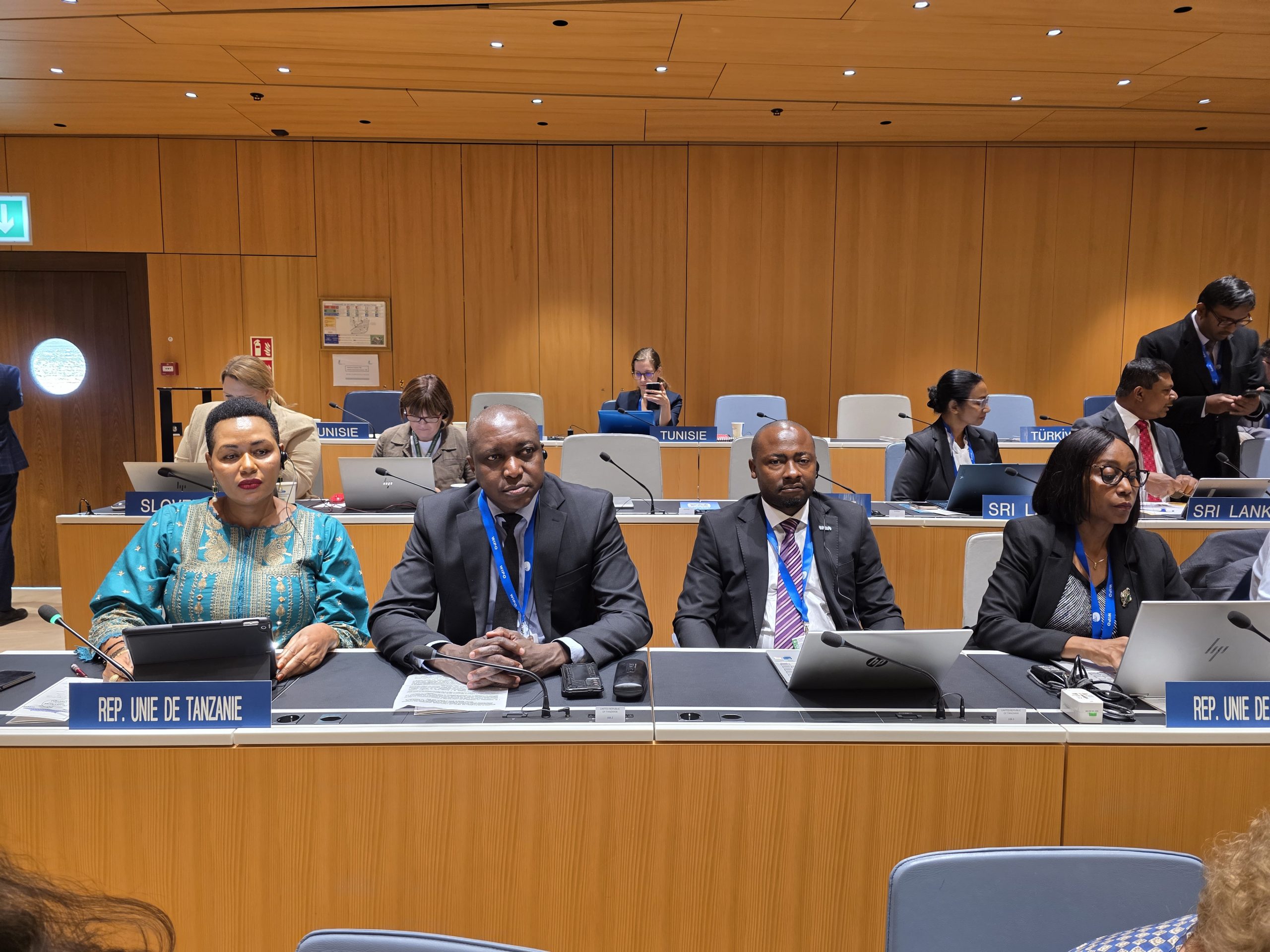
The global landscape of intellectual property (IP) is undergoing a profound transformation, driven by the rapid advancements in Artificial Intelligence (AI) and other emerging technologies. Against this backdrop, Tanzania has issued a compelling call to the World Intellectual Property Organization (WIPO) to establish an inclusive global IP system. This plea, articulated at the 68th WIPO General Assembly in Geneva, highlights a growing concern among developing nations that existing IP frameworks may not adequately enable them to benefit from the ongoing technological revolution.
Ambassador Hoyce Temu, Tanzania's Deputy Permanent Representative to the United Nations, emphasized that intellectual property serves as a strategic instrument for fostering innovation, industrial growth, and sustainable socio-economic development. Tanzania recognizes AI as a pivotal opportunity to accelerate innovation and economic transformation, but stresses that an inclusive IP system, coupled with robust capacity building and technology transfer mechanisms, is essential for developing countries to fully leverage these advancements. This article will delve into the rationale behind Tanzania's call, examine the challenges faced by developing countries in the AI-IP nexus, and explore potential avenues for creating a more equitable and future-ready global IP framework.
The core thesis is that without deliberate adjustments to international IP norms and increased support for developing countries, the promise of AI and emerging technologies risks exacerbating existing inequalities, rather than serving as a catalyst for widespread development.
Background
The World Intellectual Property Organization (WIPO) operates as a specialized agency of the United Nations, dedicated to promoting the protection of intellectual property throughout the world. A significant milestone in WIPO's commitment to addressing the needs of developing countries was the adoption of the WIPO Development Agenda in 2007. This agenda comprises 45 recommendations aimed at ensuring that development considerations are an integral part of WIPO's work, focusing on areas such as technical assistance, technology transfer, and access to knowledge.
The international IP system is largely governed by treaties such as the Agreement on Trade-Related Aspects of Intellectual Property Rights (TRIPS Agreement), administered by the World Trade Organization (WTO), which establishes minimum standards for IP protection across member states. While the TRIPS Agreement aimed to harmonize IP standards globally, it has often been criticized by developing countries for potentially restricting their policy space and hindering access to essential technologies and knowledge. However, the TRIPS Agreement also incorporates certain flexibilities, such as provisions for compulsory licensing and special transition periods for Least Developed Countries (LDCs), designed to allow member states to pursue their public policy objectives.
The advent of Artificial Intelligence has introduced novel complexities to these established IP frameworks. AI systems are increasingly capable of generating inventions and creative works, blurring the traditional lines of authorship and inventorship, which were historically predicated on human ingenuity. This raises fundamental questions about who owns the IP rights to AI-generated content, how to incentivize AI innovation, and how to ensure that the benefits of AI are broadly shared, particularly with nations that lack advanced technological infrastructure. WIPO has initiated a "Conversation on Intellectual Property and Artificial Intelligence" to address these intricate policy challenges, acknowledging the profound implications for the global IP ecosystem.
Analysis
Developing countries face unique challenges in navigating the intersection of AI and IP. A primary concern revolves around the concept of authorship and inventorship. Current IP laws in many jurisdictions, including Tanzania, generally recognize only natural persons as authors or inventors. For instance, Tanzanian patent law specifies that an inventor must be a natural person, and copyright protection is available for works created by an author, implying a human creator. This legal stance creates ambiguity regarding the IP status of works or inventions autonomously generated by AI, potentially leaving such creations unprotected or vesting rights in the AI developer or user rather than the AI itself.
Beyond legal definitions, developing countries grapple with significant barriers to accessing and utilizing AI technologies. These include high costs associated with acquiring advanced AI systems, a lack of skilled human capital for AI development and deployment, and insufficient infrastructure. The monopolistic control of IP by developed countries can exacerbate these issues, limiting knowledge sharing and fostering economic dependency. Tanzania's call for an inclusive IP system directly addresses these disparities, advocating for mechanisms that promote technology transfer and capacity building.
To foster inclusivity, several mechanisms within the existing WIPO framework and beyond could be leveraged or strengthened. The WIPO Development Agenda, with its recommendations on technology transfer and bridging the digital divide, provides a foundational framework. WIPO already offers technical assistance and capacity-building programs to countries like Tanzania, including IP management clinics for SMEs and technology transfer initiatives involving universities. Initiatives like WIPO GREEN, though focused on environmentally sound technologies, demonstrate a model for connecting technology providers with seekers, which could be adapted for AI.
Furthermore, the flexibilities embedded within the TRIPS Agreement, such as compulsory licensing and special provisions for Least Developed Countries (LDCs), offer avenues for developing countries to prioritize public interest over strict IP enforcement in certain critical sectors. The Patent Cooperation Treaty (PCT) also provides a streamlined process for seeking patent protection internationally, with fee reductions for applicants from LDCs, thereby facilitating access to technological information. However, the full utilization of these flexibilities often faces political pressure from developed nations, underscoring the need for stronger international cooperation and a re-evaluation of global IP norms.
Ultimately, the ongoing WIPO Conversation on IP and AI is crucial for developing consensus principles and potentially more binding frameworks that balance innovation incentives with equitable access. Tanzania's proactive engagement, including its commitment to strengthening its national IP ecosystem through legal reforms, improved service delivery, and public awareness campaigns, demonstrates a clear intent to adapt to the evolving technological landscape while advocating for systemic changes at the international level.
Conclusion
Tanzania's impassioned plea at the WIPO General Assembly for an inclusive IP system, particularly in the context of AI and emerging technologies, highlights a critical juncture in global IP governance. The current IP landscape, largely designed for human-centric innovation, struggles to accommodate the complexities introduced by AI, posing significant challenges for developing countries seeking to harness these technologies for sustainable development. The imperative is clear: international IP frameworks must evolve to facilitate technology transfer, build local capacity, and ensure equitable access to AI-driven innovation, rather than perpetuating technological divides.
For legal practitioners, this evolving landscape presents both challenges and opportunities. Advising clients in developing countries on AI-generated works requires a nuanced understanding of national IP laws, which often still adhere to human authorship/inventorship requirements, and the potential for future reforms. Practitioners must also be adept at navigating international IP instruments, leveraging existing flexibilities like those in the TRIPS Agreement, and engaging with WIPO's various initiatives aimed at technology transfer and capacity building. Staying abreast of the ongoing WIPO Conversation on IP and AI will be crucial, as new international norms and guidelines may emerge. Proactive engagement in shaping these discussions and advocating for national interests within a global framework will be essential to ensure that the promise of AI benefits all nations, fostering a truly inclusive and equitable global innovation ecosystem.
Citations
- 1.Agreement on Trade-Related Aspects of Intellectual Property Rights (TRIPS Agreement)
- 2.WIPO Development Agenda (2007)
- 3.WIPO Patent Cooperation Treaty (PCT)
- 4.Daily News Tanzania, "Tanzania calls on WIPO to establish an inclusive IP system for developing countries" (July 9, 2026)
- 5.PAN AFRICAN VISIONS, "Tanzania Delegation Pushes IP Agenda at 68th WIPO Assemblies" (July 8, 2026)
- 6.The Citizen, "Tanzania calls for stronger global cooperation on AI governance" (July 7, 2026)
- 7.Tanzania Copyright and Neighbouring Rights Act, 1999 (Cap 218)
- 8.Tanzania Industrial Property Act, 2010
How does this affect your business?
Get an AI analysis of this article grounded in your jurisdictions, practice areas, and any policy documents you've uploaded to Wansom.