
Tanzanian Driver, Kenyan Charged in KSh 10M Bhang Trafficking Case
Abstract
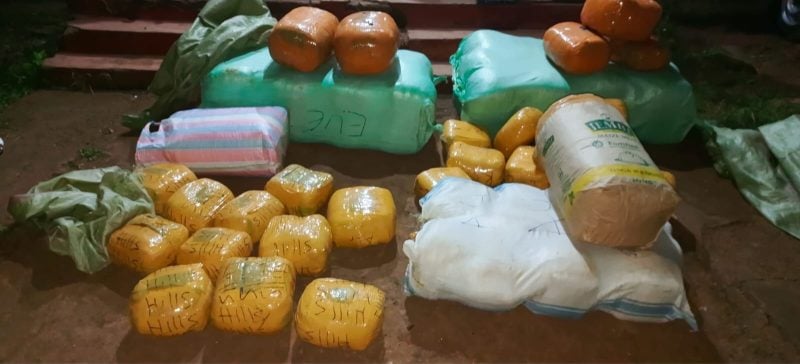
A recent incident in Kenya involving a Tanzanian driver and a Kenyan national charged with trafficking KSh 10 million worth of bhang highlights the stringent enforcement of anti-narcotics laws in the East African region. The interception of a truck carrying nine sacks of suspected cannabis underscores Kenya's ongoing battle against illicit drug trade, particularly cross-border operations. This case exemplifies the severe legal ramifications under the Narcotic Drugs and Psychotropic Substances (Control) Act, 1994, as amended, which prescribes heavy fines and lengthy imprisonment, including life sentences, for drug trafficking offenses, especially for large quantities. The prosecution's swift action signals a continued commitment to disrupting drug supply chains and holding perpetrators accountable, irrespective of their nationality.
Introduction
Kenya's commitment to combating illicit drug trafficking was recently underscored by the interception of a significant consignment of bhang, valued at KSh 10 million, leading to the arrest and charging of a Tanzanian driver and a Kenyan national. Anti-narcotics detectives successfully impounded a white truck with a trailer and container, uncovering nine sacks of dry plant material suspected to be cannabis. This incident, reported by Capital FM Kenya, is not an isolated event but rather a stark reminder of the persistent challenges posed by cross-border drug syndicates operating within East Africa.
The case brings into sharp focus the robust legal framework in Kenya designed to deter and punish drug-related offenses. For legal practitioners, understanding the nuances of the Narcotic Drugs and Psychotropic Substances (Control) Act, 1994, and its subsequent amendments, is crucial. This article will delve into the statutory provisions governing drug trafficking in Kenya, analyze the potential penalties faced by those implicated in such crimes, and discuss the broader implications for legal professionals navigating these complex cases.
Background
The legal landscape governing narcotic drugs and psychotropic substances in Kenya is primarily defined by the Narcotic Drugs and Psychotropic Substances (Control) Act, 1994 (Act No. 4 of 1994, Cap 245, Laws of Kenya). This comprehensive legislation was enacted to control the possession of, and trafficking in, narcotic drugs and psychotropic substances, as well as the cultivation of certain plants. It also provides for the forfeiture of property derived from or used in illicit drug traffic. Under this Act, cannabis, commonly known as bhang, is classified as a narcotic drug, rendering its possession, cultivation, sale, or trafficking strictly illegal in Kenya.
Over the years, Kenya has intensified its efforts to combat drug trafficking, recognizing its role as both a transit point and, increasingly, a destination for illicit drugs. The Act has undergone amendments to strengthen its provisions and enhance penalties. Notably, the Narcotic Drugs and Psychotropic Substances (Control) (Amendment) Bill, 2020, which was gazetted in March 2022, introduced more stringent penalties and clarified judicial parameters for sentencing, particularly concerning the weight of the seized narcotics. These legislative enhancements reflect a national resolve to curb the drug menace, which has significant social and economic repercussions.
Analysis
The charges against the Tanzanian driver and Kenyan national will be prosecuted under the Narcotic Drugs and Psychotropic Substances (Control) Act, 1994. Specifically, Section 4 of the Act addresses the offense of trafficking in narcotic drugs and psychotropic substances, while Section 3 deals with possession. The distinction between possession and trafficking is critical, with trafficking generally attracting far more severe penalties. Given the KSh 10 million valuation and the quantity of "nine sacks" of bhang, the accused are likely to face charges of trafficking, which carries the most stringent punishments.
Under the amended Section 4 of the Act, trafficking in narcotic drugs or psychotropic substances, particularly in quantities exceeding 100 grams, can lead to a fine of not less than KSh 50 million or three times the market value of the narcotic drug or psychotropic substance, whichever is greater, in addition to imprisonment for life. Even for smaller quantities, such as between 51 and 100 grams, the penalty is a fine of not less than KSh 30 million or three times the market value, along with imprisonment for a term of not less than twenty years. The substantial value and volume of the bhang in this case place the potential penalties squarely within the highest bracket, signaling a very serious legal challenge for the accused.
The cross-border nature of this incident, involving a Tanzanian national, underscores Kenya's strategic position along major drug trafficking routes. East African countries, including Kenya and Tanzania, have historically been identified as transit points for drugs originating from various parts of the world. The Act, particularly through its amendments, has sought to address such transnational crimes by introducing provisions that punish persons conspiring in or outside Kenya to commit drug-related offenses. This necessitates robust cooperation between national and international law enforcement agencies, as well as a clear understanding of extradition and mutual legal assistance frameworks.
Practitioners should also be aware of the procedural challenges inherent in such cases. Reports indicate that Kenya's justice system often faces backlogs, and issues related to evidence collection and presentation can sometimes weaken the prosecution's hand. Furthermore, the potential for corruption within the justice system has been acknowledged as a factor that can undermine effective prosecution. The 2021 amendment to the Act sought to address some of these issues by strengthening penalties for law enforcement officers who aid or abet illegal drug trade. These complexities mean that defense strategies in drug trafficking cases often involve meticulous scrutiny of the chain of custody, forensic evidence, and adherence to procedural safeguards.
Conclusion
The KSh 10 million bhang trafficking case, involving both Kenyan and Tanzanian nationals, serves as a critical reminder of the severe legal consequences awaiting those involved in the illicit drug trade in Kenya. The Narcotic Drugs and Psychotropic Substances (Control) Act, 1994, as amended, provides a formidable legal framework, imposing substantial fines and lengthy custodial sentences, including life imprisonment, for trafficking large quantities of narcotics. For legal practitioners, this case highlights the imperative of a thorough understanding of the Act's provisions, particularly concerning the distinctions between possession and trafficking, and the escalating penalties based on drug quantity.
Looking ahead, practitioners should anticipate continued aggressive enforcement by Kenyan authorities, coupled with enhanced regional and international cooperation to dismantle cross-border drug networks. The ongoing efforts to streamline judicial processes and combat corruption within the justice system will also be crucial in ensuring effective prosecution. Attorneys representing clients in such high-stakes cases must be prepared for complex litigation, emphasizing robust defense strategies that address both substantive legal arguments and procedural compliance, while closely monitoring legislative developments and judicial interpretations in this evolving area of law.
Citations
- 1.Narcotic Drugs and Psychotropic Substances (Control) Act, 1994 (Act No. 4 of 1994, Cap 245, Laws of Kenya)
- 2.Narcotic Drugs and Psychotropic Substances (Control) (Amendment) Bill, 2020